From fitness app instructional content to sports brand marketing to highlight reels, AI video is finding specific, practical applications across the sports and fitness content ecosystem. The industry was among the early adopters of generative AI — not surprising for a sector where visual demonstration is central to the product and high-volume content publishing is the norm.
Sports and fitness content types suitable for AI video
Exercise demonstration B-roll
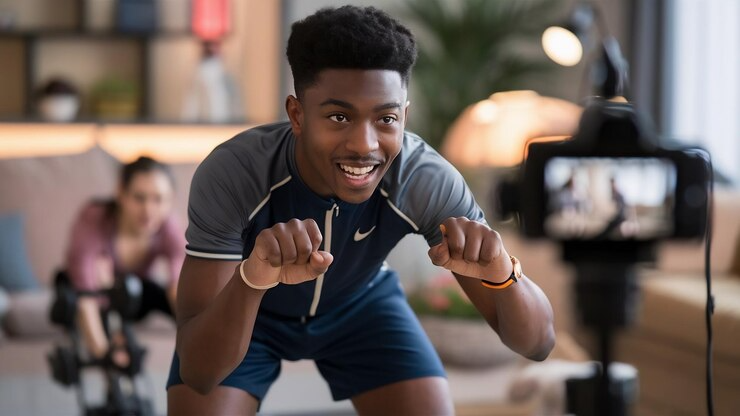
Fitness apps, personal trainers, and sports instructors need video demonstration of exercises and techniques. AI video can generate reference-quality demonstration footage for common exercises, supplementing instructional content without requiring a filming studio for every movement.
Sports brand marketing content
Lifestyle and aspirational content — athletes in action, outdoor sports in stunning environments, equipment in dynamic use — is where sports brands need high-volume visual content. AI video allows the generation of this content at scales that traditional production cannot match.
Venue and event visualization
For sports venues and event organizers, AI video can generate visualization of how events will look, how venues will be configured, and how experiences will unfold — useful for sponsor presentations and pre-event promotion.
Best tools for sports and fitness AI video
- Kling AI 3.0: The strongest tool for generating physically realistic human movement. Athletic movement — running, jumping, throwing — benefits from Kling’s physics simulation capabilities.
- Magnific AI (MiniMax model): MiniMax is specifically strong for natural human movement and expression, making it a good choice for fitness demonstration content.
- Runway Gen-3: For polished sports brand marketing content where production quality signals brand positioning.
- Pika 2.2: For high-volume social content, animating existing sports photography into dynamic clips.
If your stack does not yet include the AI video generator for sports and fitness content your competitors are using, it is worth dedicating a week to testing the leading options before your next campaign.
Content strategy for fitness brands
- Build a visual content library: Identify the 20-30 exercise demonstrations, lifestyle scenarios, and brand moments you need most, and generate a high-quality library of each.
- Establish a visual identity: Define the lighting style, color palette, and aesthetic that represents your brand, and use consistent style references.
- Layer with authentic content: AI-generated content performs best when mixed with authentic footage of real athletes and real training environments.
- Optimize for platform: Vertical 9:16 for TikTok and Instagram Stories, landscape 16:9 for YouTube, square 1:1 for Instagram feed.
FAQs
How accurate is AI-generated exercise demonstration video?
For general fitness and lifestyle content, current AI video is visually compelling but should not be used as the sole source for technical exercise instruction. Movement patterns can have subtle inaccuracies.
Can AI generate sports highlights from real game footage?
Current AI video generators create new content from prompts or images — they do not automatically generate highlights from real game footage.
What aspect ratios do fitness apps typically use for video content?
Within apps: portrait orientation (9:16 or 4:5) for mobile-first experience. Exercise demonstrations: landscape (16:9) for visibility of full body movement.
READ ALSO: How to Fix Unresponsive Controls in No Code AI Games