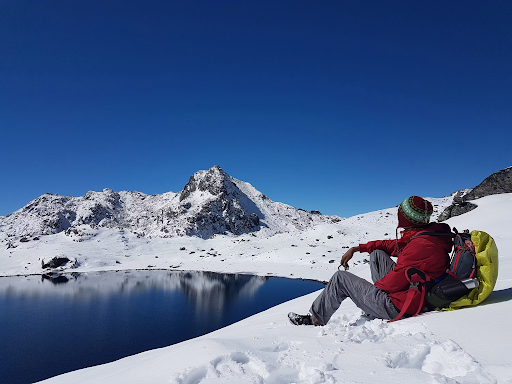
Traveling to Nepal is not just a holiday. It feels more like something calling from inside the mountains. Many people come with confusion, like where to go first, what trek is better, how to arrange everything, and who to trust on the ground. This is exactly where most journeys start to feel heavy before even beginning.
Some travelers dream about quiet valleys; some want big snow walls and dramatic amphitheater peaks. And in the middle of all this, two names always come again and again—the Langtang Valley Trek and the Annapurna Base Camp Trek.
Both are beautiful in their own way, but choosing between them is not always simple. And even more importantly, choosing a trusted trekking company in Nepal can change everything from stress to pure joy.
This article is not polished like a brochure. It is more like real travel talk from someone who has seen how people struggle, choose wrong, or sometimes get it perfectly right.
Why Nepal Treks Feel Confusing but Magical at Same Time
Nepal looks small on the map but feels huge when you start planning. Every region has its own weather, culture, difficulty, and story. That is why many first-time trekkers feel stuck.
Some ask:
- Is Langtang enough for a real Himalaya feeling?
- Is Annapurna Base Camp Trek too crowded?
- Do I really need a trekking company in Nepal, or can I go alone?
The truth is simple but not always told clearly. Nepal trekking is not just walking. It is logistics, altitude, weather changes, permits, and local knowledge mixed together.
You can do it alone, yes. But experience often changes when you have the right guidance.
Langtang Valley Trek – Quiet Beauty Close to Kathmandu
When people want the Himalayas but not chaos, Langtang is often the first suggestion.
Langtang Valley Trek is close to Kathmandu but still feels far from city life. You start from a road journey, dusty sometimes, then slowly enter forest, river sounds, and wooden villages.
This trek is not about extreme difficulty. It is more about rhythm. slow walking, simple tea houses, and mountains slowly appearing like they are shy.
What makes Langtang special
Langtang is quiet. not empty, but peaceful in a natural way. The people here are from the Tamang community and have a very warm, simple lifestyle and strong cultural roots. You feel like time is not rushing here.
You walk through a bamboo forest and cross suspension bridges, and slowly the valley opens. Snow peaks start showing up without warning. It is an emotional moment for many trekkers, even those who don’t expect it.
The weather changes quickly. One moment sunny, the next moment, cold wind. This keeps the trek alive, never boring.
Difficulty and feelings in the body
Langtang is a moderate trek. Not too hard, but altitude still matters. You need a slow pace. Many beginners think it is easy and rushed, but the mountain teaches lessons quickly.
The body feels light and tired, but the mind feels calm. That is the Langtang effect.
Annapurna Base Camp Trek – Walking Into a Natural Mountain Bowl
Now change the scene completely.
The Annapurna Base Camp Trek is a different world. Here mountains surround you like a giant wall from all sides. It is not just a trek; it is like entering a natural stadium of snow peaks.
starting point, often from the Pokhara side, which already feels beautiful with lakes and hills.
What makes ABC Trek unforgettable?
This trek has a mix of everything:
- rice terraces at beginning
- rhododendron forests
- stone villages
- glacier views at end
You don’t feel the same scenery repeating. Every day changes.
At base camp, you stand in the center of the Himalayan circle. Annapurna I, Machapuchare, and Hiunchuli all around. It feels like a small human moment in a very big nature story.
Challenge level and real experience
The Annapurna Base Camp Trek is moderate to slightly challenging. There are many stairs. Ups and downs never stop. Legs feel it strongly.
But the interesting thing is motivation never drops because scenery keeps changing. Even a tired body keeps moving because the view is rewarding every hour.
Langtang vs. Annapurna Base Camp: Real Differences You Should Know
People compare these two like competition, but the truth is they are different personalities.
Langtang feels like
- quiet conversation with mountains
- less of a crowd
- more raw culture
- shorter distance from capital
The Annapurna Base Camp Trek feels like
- cinematic mountain stage
- more trekkers on the route
- bigger landscape variety
- deeper altitude experience
If someone wants a peaceful start, Langtang wins. If someone wants a dramatic Himalayan amphitheater, ABC wins.
But many experienced trekkers say the best answer is simple: do both in different seasons.
Why Choosing the Right Trekking Company in Nepal Matters So Much
Now this is a part many people ignore, and later regret.
A good trekking company in Nepal is not just a booking service. It is about safety, experience, and problem-solving in real time.
Mountains do not follow a plan. Weather changes, trails close, and altitude issues happen. In those moments, guidance and company support become a real difference between stress and a smooth journey.
What a good company actually does
They don’t just sell packages. they:
- arrange permits correctly
- manage guide and porter properly
- handle emergency situations
- adjust the itinerary if needed
- give real local knowledge
Bad companies just push groups fast. Good ones understand the body, weather, and mountain mood.
How to identify a trustworthy operator
simple signs:
- clear communication before trip
- realistic itinerary (not overpacked)
- local experienced guides
- no hidden cost confusion
Sometimes cheaper options become expensive in terms of experience loss. So thinking carefully is important here.
Culture, People, and Why Trek is Not Just Walking
Both Langtang and Annapurna are not only nature routes. They are living in villages.
You meet locals carrying loads, smiling even in cold weather, sharing tea in small wooden rooms. Language may be different, but respect feels the same.
You learn slowly that trekking is not only a destination but also a journey. It is also every small human moment on the trail.
Children are waving, old people are sitting outside the house, and prayer flags are moving in the wind. All these small things stay in memory longer than summit photos.
Best Time for Both Treks (Simple Reality, Not Book Theory)
Spring and autumn are most stable.
Spring gives flowers, especially rhododendrons, in the Annapurna region. Langtang also becomes colorful.
Autumn gives a clear sky, a sharp mountain view, and stable weather.
Winter is possible but cold. Summer has rain and slippery trails.
Simple advice: if it’s for the first time, go in spring or autumn; no overthinking.
Final Thought – Which Trek Actually Changes You More
There is no perfect answer.
The Langtang Valley Trek gives a calm mind, less noise, and more connection with simple mountain life.
The Annapurna Base Camp Trek gives a powerful visual experience, big mountains, and an emotional climax at base camp.
and the trekking company in Nepal decides how smooth or stressful your whole journey becomes.
So the real truth is not about choosing the best trek. It is about choosing the right moment, the right guide, and the right mindset.
Mountains don’t judge you. They just respond to your pace.
FAQs – People Also Ask
1. Is Langtang Valley Trek suitable for beginners?
Yes, it is suitable for beginners with normal fitness. Slow walking is important because altitude still exists even if the trek is not extreme.
2. How hard is the Annapurna Base Camp Trek compared to other Nepal treks?
It is at a moderate level. Not technical climbing, but lots of stairs and daily walking hours make it physically demanding.
3. Do I really need a trekking company in Nepal for these treks?
Not always required, but strongly recommended. It helps with permits, safety, route guidance, and emergency support in mountains.
4. Which trek is better for short-time travel?
The Langtang Valley Trek is usually shorter and closer to Kathmandu, so it’s better for a limited time schedule.
5. What is the best season for both the Langtang and Annapurna Base Camp treks?
Spring (March–May) and autumn (September–November) are best for clear views, stable weather, and comfortable trekking conditions.
READ ALSO: What Makes a Residential Community Attractive to Families and Professionals