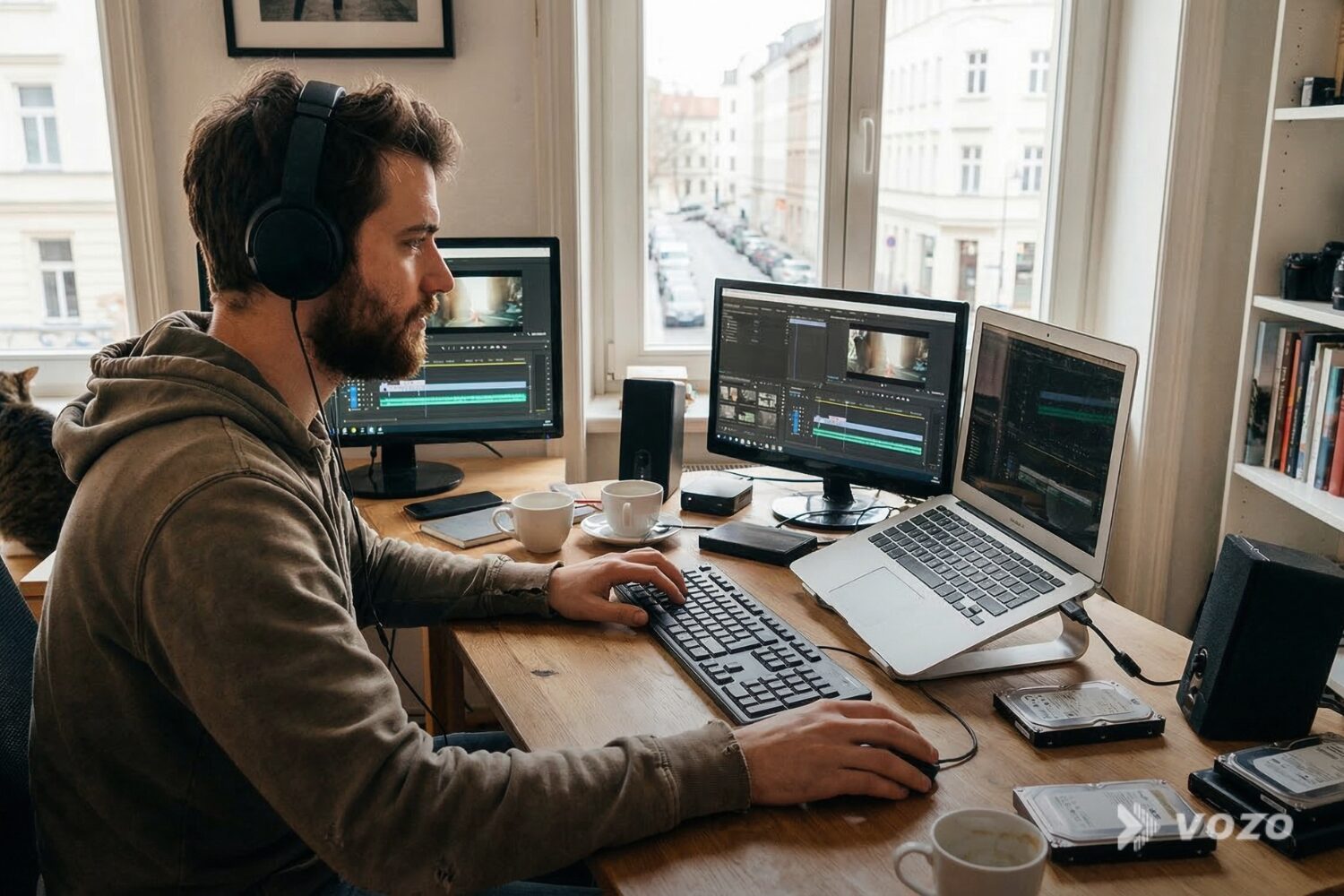
Video creation has undergone a structural transformation over the past few years. What was once dependent on cameras, studios, and editing software is now increasingly driven by artificial intelligence. Among the tools shaping this shift, avatar-based platforms have gained particular attention for their ability to generate human-like presenters from text.
HeyGen is one of the most recognized tools in this category. By enabling users to create videos with AI-generated avatars delivering scripted content, it simplifies production workflows that traditionally required voice actors, filming, and post-production editing.
However, as use cases expand, many creators and teams begin searching for a more flexible HeyGen alternative, not because avatar-based tools are ineffective, but because AI video creation now extends beyond avatar-led formats. The needs of modern video production include storytelling, scalability, editing control, and consistency across outputs.
To understand the best alternatives, it is necessary to examine how AI video tools are evolving, what limitations exist in avatar-based systems, and how different platforms approach video creation as a broader process.
What HeyGen Solves and Where It Becomes Limiting?
HeyGen addresses a specific and important problem: how to create presenter-led videos without requiring human talent or recording infrastructure.
Its core capabilities include:
- AI-generated avatars
- Multilingual voice output
- Script-to-video workflows
This makes it particularly useful for:
- Training and onboarding content
- Corporate communication
- Product explainers
In these contexts, consistency and clarity are more important than visual complexity.
However, as video production needs expand, certain limitations become apparent.
The Constraint of Avatar-Centric Formats
Avatar-based tools inherently focus on a single format: a presenter delivering scripted content. While effective for structured communication, this format is less suitable for storytelling, dynamic visuals, or creative marketing.
Limited Visual Diversity
Because the primary visual element is the avatar itself, there is less flexibility in creating varied scenes, environments, or cinematic sequences.
Restricted Editing and Iteration
Although scripts can be adjusted easily, modifying visual structure, pacing, or scene composition is often limited compared to more flexible video systems.
These constraints do not diminish the value of HeyGen. Instead, they highlight the growing need for tools that extend beyond avatar-based workflows.
The Evolution of AI Video Creation Beyond Avatars
AI video tools are no longer confined to a single format. Instead, they are evolving into systems that support multiple modes of creation, including:
- Scene-based storytelling
- Dynamic visual generation
- Timeline editing
- Workflow automation
This shift reflects a broader change in how video is produced. Rather than generating a single output, creators increasingly require systems that support iteration, variation, and scalability.
Research into AI-assisted media workflows indicates that users benefit from tools that allow them to refine and compare outputs rather than rely on one-step generation. This reinforces the importance of flexibility in modern video platforms.
HeyGen Alternative Categories
Instead of comparing individual tools, it is more useful to examine the different approaches they take to AI video creation.
1. Workflow-Based AI Video Platforms
A newer category of tools focuses on structuring video creation as a multi-stage process.
Unlike avatar-based systems, these platforms allow users to:
- Break scripts into scenes
- Control visual elements across sequences
- Edit timelines without regenerating entire outputs
This approach aligns more closely with real-world production workflows.
For creators and teams producing high volumes of content, workflow-based systems offer a level of control and scalability that avatar tools typically lack. Instead of being limited to presenter-led formats, users can build fully structured videos with consistent style and narrative flow.
2. Generative AI Video Tools
Generative platforms represent one of the most significant advancements in AI video creation.
Tools like Runway and emerging models such as Google Veo enable users to generate video clips directly from text prompts.
These tools offer:
- High levels of creative flexibility
- Unique visual outputs
- The ability to create cinematic scenes
They are particularly useful for:
- Creative professionals
- Experimental storytelling
- Visual content that goes beyond standard formats
However, while they excel in generation, they often lack structured workflows for consistent production. This makes them powerful but not always practical for high-volume use cases.
3. AI-Enhanced Video Editing Platforms
Another category includes tools that integrate AI into traditional editing environments.
Platforms such as Veed provide:
- Timeline-based editing
- Subtitle generation
- AI-assisted enhancements
These tools prioritize control and precision, allowing users to refine videos in detail.
Compared to avatar-based platforms, they offer greater flexibility in terms of pacing, transitions, and visual composition. However, they require more manual input and may not be optimized for rapid generation.
4. Content Repurposing Systems
For creators working with existing content, some tools focus on transforming text or long-form media into video.
Pictory is a leading example. It converts scripts, articles, or videos into shorter clips by extracting key points and matching them with visuals.
This approach is particularly effective for:
- Content marketing
- Educational materials
- Blog-to-video workflows
Compared to HeyGen, which emphasizes delivery through avatars, these tools emphasize content transformation and scalability.
5. AI Avatar Alternatives with Expanded Capabilities
Some platforms build on the avatar model while offering additional flexibility.
Synthesia, for example, provides:
- A wide range of avatars
- Multilingual capabilities
- Structured video templates
While still focused on presenter-led formats, these tools often offer more customization and integration options.
They are particularly useful for organizations that rely heavily on structured communication but require more control than basic avatar tools provide.
6. Short-Form Video Creation Tools
Short-form content has become one of the most important formats in digital media.
Tools designed for this space focus on:
- Rapid production
- Vertical video formats
- Automated captions and hooks
Platforms like CapCut and NemoVideo integrate multiple features into streamlined workflows optimized for social media.
Compared to HeyGen, these tools prioritize speed and engagement rather than structured presentation.
7. All-in-One Content Platforms
Some tools extend beyond video to support broader content workflows.
Platforms like Canva and Simplified combine:
- Video creation
- Graphic design
- Social media tools
This integration reduces the need to switch between platforms and supports end-to-end content production.
However, while these tools improve workflow efficiency, they may not provide deep control over video creation itself.
Comparing Various AI Video Creation Methods
Each category reflects a different interpretation of what AI video tools should do.
- Avatar platforms prioritize consistency and clarity
- Generative tools emphasize creativity and experimentation
- Editing platforms focus on control and precision
- Repurposing tools optimizes efficiency
- Workflow systems integrate production processes
The choice between these approaches depends on the specific needs of the user.
For example, a corporate training team may prioritize clarity and consistency, making avatar tools ideal. A marketing team may require dynamic visuals and rapid iteration, making workflow-based or generative tools more suitable.
Key Factors to Consider When Choosing a HeyGen Alternative
As the ecosystem expands, selecting the right tool requires more than comparing surface-level features. The effectiveness of an AI video platform depends on how well it aligns with your production workflow, content goals, and scale requirements.
1. Flexibility of Output
A critical limitation of avatar-based tools is format rigidity. When evaluating alternatives, consider whether the platform supports multiple video styles, such as:
- Scene-based storytelling
- Product demos with dynamic visuals
- Social media short-form content
A tool that allows diverse outputs ensures that you are not locked into a single content format as your needs evolve. This becomes especially important for marketing teams that must adapt content across platforms and audiences.
2. Level of Control
Automation is valuable, but control determines whether the output meets creative expectations.
Ask:
- Can you edit individual scenes without regenerating everything?
- Can you adjust pacing, transitions, and visual hierarchy?
- Can you maintain stylistic consistency across multiple videos?
Many tools generate acceptable first drafts, but the real challenge lies in refining them. Platforms that offer granular control at the scene or asset level provide significantly more long-term value.
3. Scalability
Scalability is not just about producing more videos—it is about doing so efficiently.
A scalable platform should enable:
- Batch production of multiple variations
- Reusable templates or workflows
- Consistent output without manual repetition
For example, a marketing team running ad campaigns may need to produce dozens of variations of the same concept with slight modifications. Without scalability, this process becomes time-consuming and inefficient.
4. Workflow Integration
Video creation rarely exists in isolation. It is part of a broader system that includes ideation, scripting, editing, and distribution.
Tools that integrate these stages reduce friction and improve efficiency. This might include:
- Built-in scripting or prompt generation
- Timeline-based editing
- Export formats optimized for different platforms
Fragmented workflows, where each stage requires a separate tool, can slow down production and introduce inconsistencies.
5. Ease of Use
Ease of use remains a critical factor, particularly for non-technical users.
However, simplicity should not come at the expense of capability. The most effective tools strike a balance between:
- Accessibility for beginners
- Advanced features for experienced users
Platforms that scale with user expertise are more sustainable in the long term, as they reduce the need to switch tools as requirements grow.
Challenges That Persist Across AI Video Tools
Despite rapid advancements, several challenges remain.
Maintaining Consistency
Ensuring visual and narrative coherence across multiple videos is still difficult, particularly in generative systems.
Balancing Automation and Control
Fully automated tools may lack flexibility, while highly customizable tools can be complex to use.
Creative Differentiation
As more creators use similar tools, maintaining a unique visual identity becomes increasingly important.
Ethical Considerations
The use of AI-generated avatars and synthetic media raises questions about authenticity, consent, and transparency.
These challenges indicate that AI video creation is still an evolving field.
Conclusion
HeyGen has played an important role in advancing AI video creation, particularly in the area of avatar-based content. Its ability to generate presenter-led videos quickly and efficiently makes it a valuable tool for many use cases.
However, as video production needs expand, the limitations of avatar-centric systems become more apparent. This has led to the emergence of a diverse range of alternatives, each offering different approaches to AI video creation.
Some tools emphasize creativity, others focus on efficiency, and others prioritize workflow integration. The most significant shift, however, is the move toward platforms that treat video creation as a structured, iterative process rather than a single output.
Choosing the right HeyGen alternative is therefore not about finding a universally superior tool. It is about understanding how different platforms align with specific production needs and selecting the one that supports both current requirements and future growth.
As AI continues to evolve, the tools that succeed will be those that balance automation with control, scalability with quality, and efficiency with creative flexibility.