Dubai has no shortage of places offering sports massage. Walk into almost any wellness centre, hotel spa, or physiotherapy in Dubai clinic and it’ll be on the menu, often with premium pricing and ambient lighting to match. What varies enormously, and what the booking page rarely makes clear, is whether the person delivering the treatment has any real clinical grounding or whether ‘sports massage’ is just a name attached to something considerably less specific.
For someone dealing with a genuine soft tissue issue, training load management, or recovery from injury, that distinction matters quite a lot. A relaxing massage and a targeted sports massage therapy Dubai session are not interchangeable — and booking the wrong one at the wrong time can set things back rather than move them forward.
What Separates Sports Massage From Everything Else
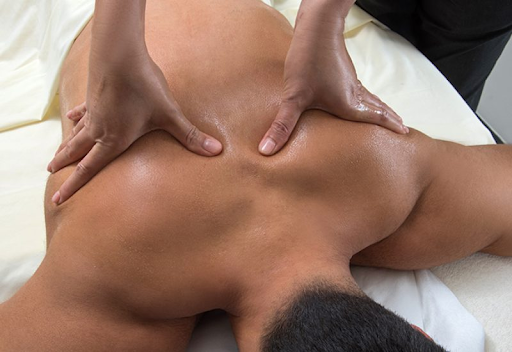
Sports massage works on specific muscle groups under load, addresses movement patterns, and is applied with an understanding of how the body responds to training stress. A good therapist isn’t just applying pressure — they’re assessing tissue quality, identifying restriction patterns, and adjusting technique based on what they find.
The therapist’s background tells you a lot before anyone has laid a hand on anything. Someone with a physiotherapy or sports science foundation approaches a session differently from someone who trained primarily in wellness massage; the assessment process is different, the technique rationale is different, and critically, their awareness of when they’re working near the edge of what’s appropriate is different. Asking about that background before booking isn’t overcautious. It’s the most useful question on the table.
When Sports Massage Connects To Broader Medical Care
Sports massage doesn’t operate in isolation for a lot of the people who need it most. Someone managing a tennis elbow physiotherapy, for instance, would need to regularly see a sports massage therapist, or in worst-case scenarios, an orthopedic surgeon in Dubai.
The better clinics in Dubai operate with communication between disciplines. A sports massage therapist who knows what the referring specialist is trying to achieve can work in the same direction rather than accidentally working against it. That kind of joined-up care is harder to find but worth looking for — and worth asking about directly when evaluating where to book.
Post-Surgery And Why This Is Where It Gets Serious
Soft tissue work in a post-surgical context sits in different territory from standard recovery massage, and the gap between getting it right and getting it wrong is not trivial. The tissue is healing according to a timeline that the surgeon understands and most massage therapists don’t. What’s appropriate in week four may be actively harmful in week two. Post-surgery physiotherapy that includes manual therapy needs to be coordinated with the treating clinician, and not decided unilaterally by a wellness centre that has ‘post-op massage’ listed as a service.
For anyone navigating that situation, the first call should go to the surgeon or physiotherapist overseeing the recovery, not the booking app. A good clinic will expect that and welcome the referral. One that doesn’t is answering the question for you.
Reading Between The Lines When You’re Booking
Most booking pages lead with aesthetics — the room, the oils, the experience. The information that actually matters tends to require some digging. Such as, Orthopedic surgeon in Dubai credentials, clinical background, whether the clinic has relationships with medical practitioners, whether intake involves any assessment of the client’s history and current condition.
A clinic that asks good questions before the first session, about training load, injury history, what the client is trying to achieve, is signalling something different from one that just confirms the time and sends a reminder. That intake process is often the clearest indication of whether what’s being offered is genuine clinical sports massage or a premium version of something rather more generic.