Retail spaces have changed dramatically over the past decade. Stores are no longer simply places where people browse shelves and make purchases. Instead, they have become destinations designed to create memorable experiences, strengthen brand identity, and encourage customers to spend more time engaging with products.
At the centre of this shift is a growing focus on flexible, visually striking environments. Rather than relying on permanent fixtures, retailers are embracing adaptable design that can evolve alongside changing seasons, promotions and consumer expectations.
Creating Spaces That Tell a Story
Successful retailers understand that customers remember experiences more than displays. A thoughtfully designed retail environment can also strengthen customer trust, reinforcing the credibility and consistency of a brand. Every element of a store, from lighting and layout to graphics and materials, contributes to the overall atmosphere.
Large-format fabric graphics, suspended displays, and seamless wall visuals help retailers communicate their brand story without overwhelming shoppers. These softer visual elements create welcoming environments while allowing stores to refresh campaigns quickly as trends change.
Flexibility Is Becoming a Competitive Advantage
Retail trends move quickly, and physical stores need to keep pace. Seasonal collections, limited-edition launches and promotional events all require spaces that can be updated efficiently.
This is one reason textile-based graphics have become increasingly popular. Materials for soft signage printing are suitable for retail displays, exhibition graphics and branded environments. These materials support lightweight, high-quality displays that are easier to transport, install and replace than many traditional alternatives.
Customers Expect More Than Products
Consumers increasingly visit physical stores for inspiration as much as shopping. Retailers are responding by creating immersive spaces that encourage exploration and interaction.
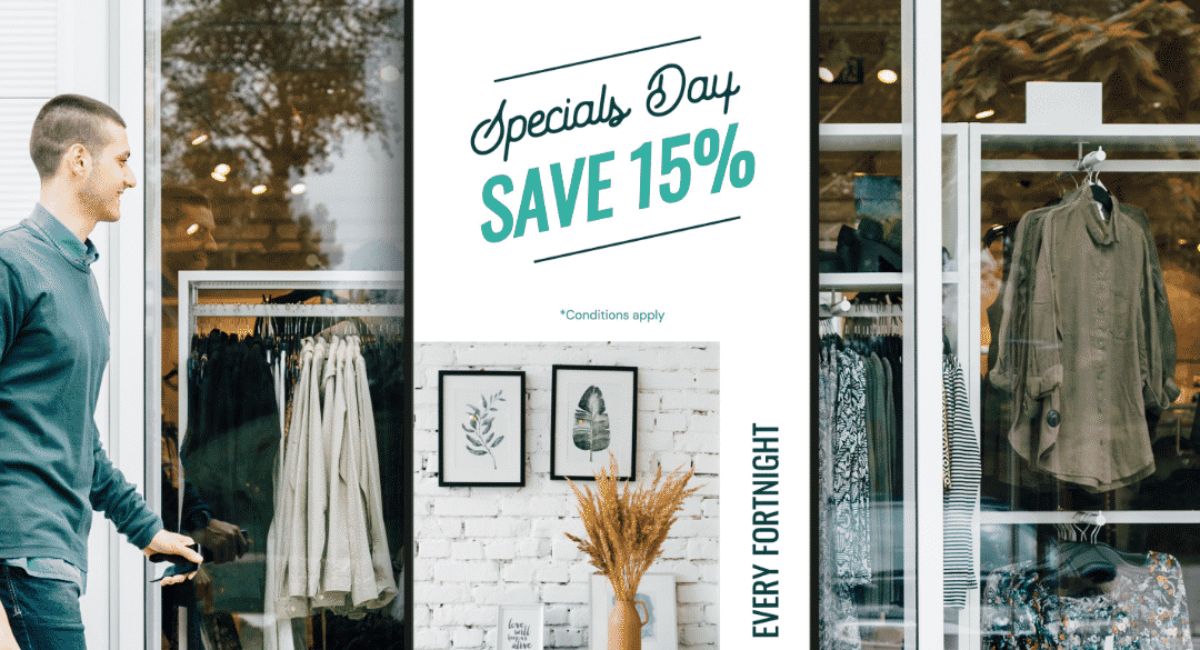
Eye-catching hanging banners, illuminated fabric displays, and feature walls naturally guide customers through a store while highlighting key products and promotions. Instead of simply presenting merchandise, the environment becomes part of the shopping experience itself.
Sustainability Is Influencing Store Design
As retailers look to reduce waste, many are reconsidering the materials used throughout their stores.
Reusable fabric graphics offer an attractive alternative for many promotional applications. Their lighter weight can simplify transport and installation, while the ability to update displays without replacing permanent fixtures helps reduce unnecessary waste over time.
For brands with ambitious environmental goals, choosing more sustainable display solutions also supports wider corporate responsibility initiatives.
Seamless Branding Across Every Location
Consistency is increasingly important for retailers operating multiple stores.
Modern soft signage allows businesses to reproduce vibrant colours, sharp graphics and premium finishes across locations, helping customers enjoy the same brand experience wherever they shop. Because textile graphics are lightweight and easy to handle, national campaigns can often be rolled out more efficiently across entire retail estates.
Stores Need to Stay Fresh
One of the biggest challenges facing retailers is encouraging repeat visits. Customers are more likely to return when stores regularly introduce something new, whether that’s fresh product ranges, updated visual merchandising or seasonal campaigns.
Flexible display systems make it possible to refresh interiors quickly without costly refurbishments. This allows retailers to maintain excitement throughout the year while keeping visual merchandising aligned with marketing activity.
Looking Ahead
The future of retail design is centred on adaptability, creativity and customer experience. Rather than relying on static displays, businesses are investing in flexible environments that evolve alongside their brands and the expectations of modern shoppers.
As physical retail continues to compete with online shopping, the stores that succeed will be those that create engaging, memorable spaces where every visual element contributes to a stronger customer experience.