Businesses today are expected to do more than simply provide products or services. Customers, employees, investors, and communities increasingly look for organisations that demonstrate responsibility, transparency, and a genuine commitment to making a positive contribution. As a result, meaningful business practices have become an important part of long-term success.
Companies that balance commercial objectives with ethical decision-making often build stronger relationships, improve their reputation, and create lasting value. While profitability remains essential, organisations that consider their wider impact are often better equipped to adapt to changing expectations and build trust with the people they serve.
Define a Clear Purpose
Every successful business benefits from having a clear sense of purpose. This goes beyond financial goals and focuses on why the organisation exists and the positive difference it hopes to make. A well-defined purpose provides direction for decision-making and helps employees understand how their work contributes to broader objectives. It also gives customers greater confidence that the business stands for something meaningful rather than simply pursuing short-term gains. Purpose should be reflected in everyday actions, not just mission statements or marketing materials.
Adopt a Purpose-Led Strategy
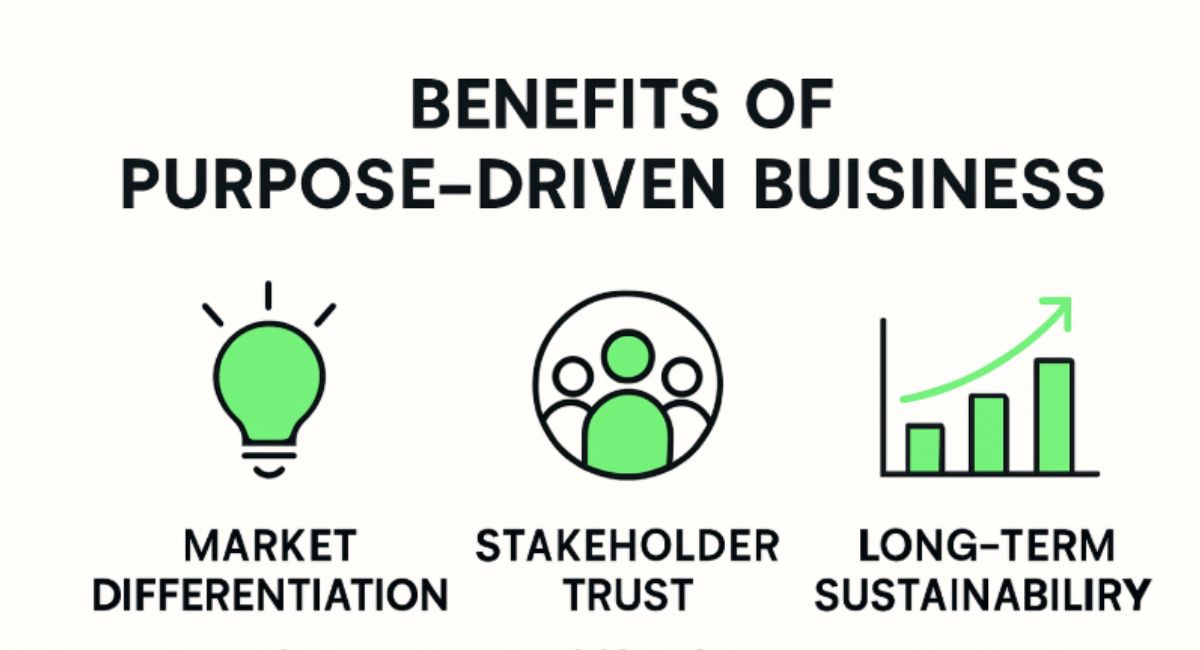
Many successful organisations recognise the value of a purpose driven approach when developing their long-term strategy. By ensuring that business objectives align with social and environmental considerations, companies can make decisions that create value for customers while contributing positively to society.
Rather than viewing responsibility as a separate initiative, purpose-led businesses integrate ethical thinking into product development, customer service, recruitment, partnerships, and communications. This creates a more consistent experience for stakeholders and helps establish a stronger, more resilient brand.
Support Employees
Meaningful business practices begin within the organisation itself. Employees who feel respected, supported, and valued are more likely to be engaged, productive, and committed to delivering excellent service. Providing opportunities for professional development, encouraging collaboration, promoting wellbeing, and recognising achievements all contribute to a positive workplace culture. Businesses that invest in their people often benefit from improved retention, stronger teamwork, and greater innovation. Creating an inclusive environment where different perspectives are welcomed also strengthens decision-making and organisational resilience.
Create Positive Community Impact
Businesses have the ability to contribute to the communities in which they operate. Supporting local initiatives, partnering with charities, encouraging employee volunteering, or investing in community projects can create meaningful benefits for both society and the organisation.
These activities demonstrate that a business values long-term relationships and recognises its role beyond commercial success. Genuine community involvement also helps strengthen customer loyalty and enhance brand reputation. Businesses can further reinforce credibility by building trust through authentic customer reviews.
The most effective initiatives are those that align naturally with the organisation’s values and expertise.
Embrace Sustainable Thinking
Sustainability is no longer limited to environmental policies. It also includes responsible sourcing, efficient operations, fair employment practices, and thoughtful resource management. Even small improvements can make a meaningful difference over time. Reducing waste, improving energy efficiency, choosing responsible suppliers, and encouraging sustainable habits throughout the organisation demonstrate a commitment to continuous improvement. Customers increasingly appreciate businesses that actively work to minimise their environmental impact while maintaining high standards of quality and service.
Keep Learning and Adapting
Business expectations continue to evolve as technology advances and public priorities change. Organisations that regularly review their practices, listen to feedback, and embrace innovation are better positioned to remain relevant. Learning from employees, customers, and industry developments helps businesses identify opportunities for improvement and respond effectively to new challenges. Continuous development supports both organisational growth and long-term resilience.
By embedding responsible practices into every aspect of the business, companies can earn trust, strengthen their reputation, and contribute positively to society. In today’s business environment, meaningful practices are not simply good ethics. They are an important part of building sustainable organisations that thrive well into the future.