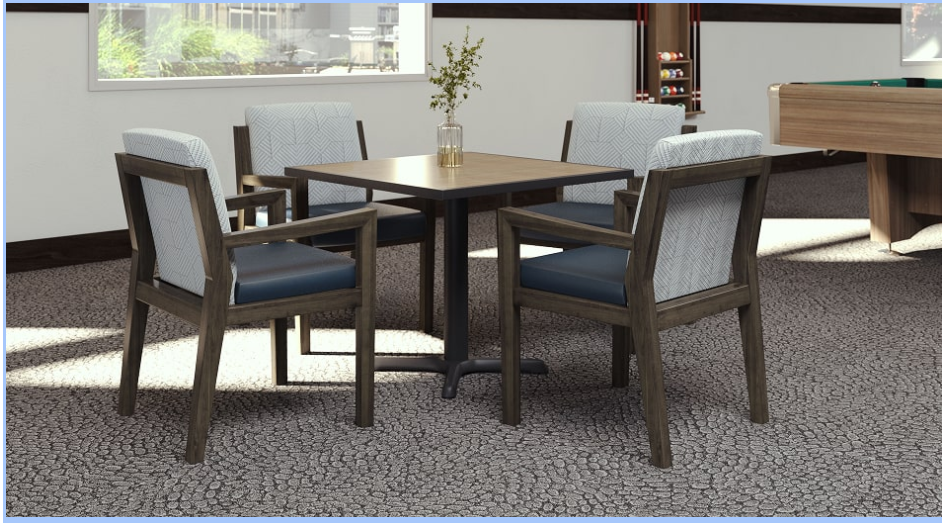
Comfort is one of the most influential factors in the overall resident experience within senior living communities. Whether residents are dining, socializing, participating in activities, or relaxing in common areas, the quality of seating directly affects their physical well-being and daily satisfaction. For retirement homes, assisted living facilities, nursing homes, and aged care communities, selecting the right seating is not simply a furniture decision—it is an investment in resident comfort, safety, and quality of life.
Choosing the ideal senior living furniture requires a careful balance of ergonomic support, durability, healthcare compliance, and aesthetic appeal. Understanding the key characteristics of high-quality senior living chairs can help facility operators make informed purchasing decisions that deliver long-term value.
Why Chair Selection Matters in Senior Living Environments
Older adults often spend a significant portion of their day seated. As mobility, strength, and flexibility naturally change with age, poorly designed chairs can contribute to discomfort, fatigue, and difficulty with movement.
Well-designed seating, on the other hand, promotes healthy posture, supports independence, and enhances participation in daily activities. For care providers and facility managers, selecting appropriate chairs can also support safety initiatives while improving resident satisfaction scores.
Prioritizing Ergonomic Comfort
Comfort begins with ergonomic design. Senior living chairs should support the body’s natural posture while reducing stress on joints and muscles.
1: Proper Seat Height and Depth
Seat dimensions play a critical role in comfort and accessibility. Chairs that are too low can make standing difficult, while overly deep seats may encourage poor posture and discomfort.
Purpose-built senior living furniture incorporates dimensions specifically designed to accommodate older adults, helping residents sit comfortably and transition more easily between sitting and standing positions.
2: Lumbar and Back Support
Adequate back support helps maintain proper spinal alignment and reduces pressure on the lower back. Ergonomically designed backrests encourage healthy posture during extended periods of sitting.
This support is particularly important in dining rooms, activity spaces, and community lounges where residents may remain seated for longer durations.
Enhancing Safety Through Thoughtful Design
Safety remains a top priority in healthcare and aged care environments. The right chair design can significantly reduce risks while supporting resident independence.
-
Supportive Armrests
Armrests are one of the most valuable features in senior living seating. They provide leverage when residents sit down or stand up, reducing physical strain and helping prevent falls.
High-quality senior living chairs from Yumeya Furniture incorporate carefully positioned armrests that enhance both comfort and functionality without compromising aesthetics.
-
Stable Construction
A chair should provide consistent stability regardless of how frequently it is used. Wobbling, tipping, or structural weakness can create safety concerns in senior care settings.
Commercial-grade construction ensures that seating remains secure and dependable throughout years of daily use.
Evaluating Cushioning and Seating Materials
Comfort extends beyond structural design. The quality of cushioning and upholstery materials significantly influences the resident experience.
-
High-Density Foam for Long-Term Support
Premium cushioning materials maintain their shape and support over time. High-density foam helps distribute body weight evenly while preventing excessive compression that can lead to discomfort.
This consistency is particularly important in environments where chairs are used continuously throughout the day.
-
Easy-to-Clean Upholstery
Healthcare and senior living communities require furniture that supports rigorous cleaning protocols. Upholstery should resist stains, moisture, and daily wear while remaining comfortable and visually appealing.
Durable materials contribute to both hygiene standards and long-term furniture performance.
Balancing Durability with Residential Appeal
Modern senior living communities increasingly focus on creating welcoming environments that feel more like home than healthcare institutions. Furniture plays a major role in achieving this balance.
-
Aesthetics That Support Resident Well-Being
Warm finishes, attractive fabrics, and residential-inspired designs help create inviting spaces where residents feel comfortable and relaxed. Attractive interiors can positively influence mood, social engagement, and overall satisfaction.
-
Long-Term Commercial Performance
While appearance is important, durability cannot be overlooked. Furniture in senior living communities must withstand heavy daily use while maintaining both structural integrity and visual appeal.
Many facility operators choose senior living chairs from Yumeya Furniture because they combine elegant design with commercial-grade durability. Their innovative metal wood grain technology delivers the appearance of natural wood while offering superior strength and longevity.
Matching Chair Types to Different Community Spaces
Different areas within a senior living facility require different seating solutions.
Dining chairs should support extended sitting periods while allowing residents to move comfortably around tables. Lounge chairs should prioritize relaxation and social interaction. Activity room seating should offer flexibility and durability to accommodate a wide range of programs and events.
Selecting furniture based on the specific function of each space ensures optimal comfort and usability throughout the community.
Partnering with a Specialized Furniture Manufacturer
Not all furniture manufacturers understand the unique demands of healthcare and senior living environments. Working with a specialized provider ensures that products are designed specifically for aged care applications.
Experienced manufacturers focus on factors such as ergonomics, infection control, accessibility, durability, and regulatory compliance. This expertise helps facility managers make furniture investments that support both resident needs and operational goals.
Conclusion
Choosing the right senior living furniture requires more than selecting attractive chairs. Comfort, safety, ergonomic support, durability, and maintenance considerations must all work together to create positive resident experiences.
For retirement communities, assisted living facilities, and healthcare providers seeking seating solutions that deliver exceptional performance, senior living chairs from Yumeya Furniture offer a proven combination of comfort, reliability, and healthcare-focused design. By prioritizing thoughtful chair selection, senior living operators can create environments that enhance resident well-being while supporting long-term operational success.