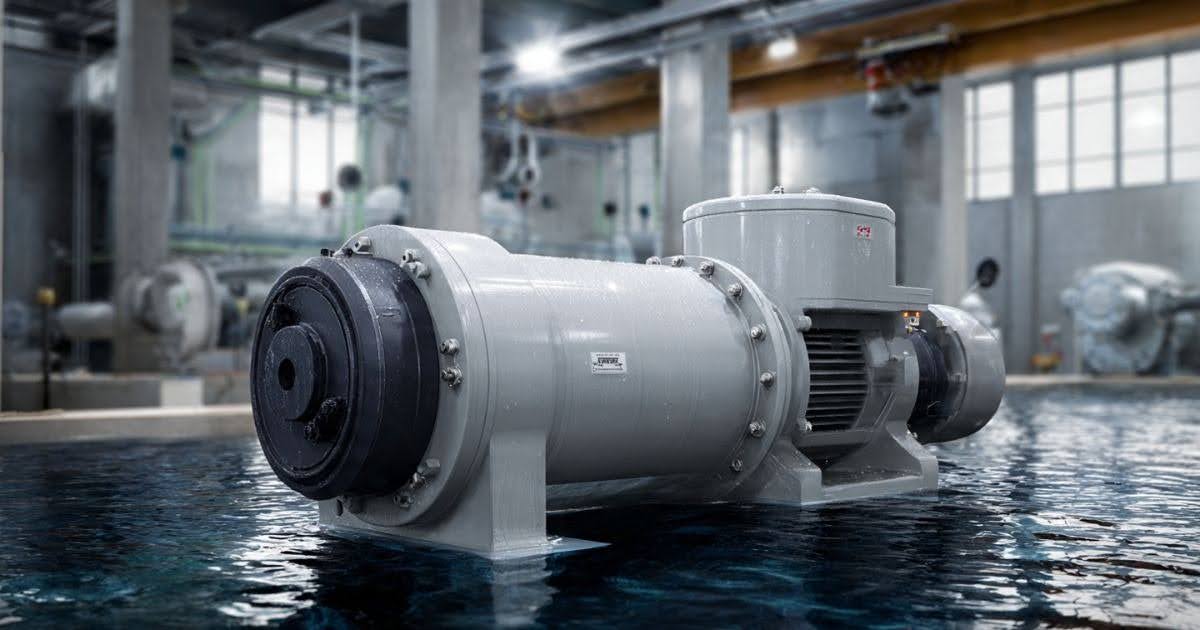
The submersible sewage pump is highly effective at transporting solid wastewater. The submersible sewage pump is a widely used product in both residential and commercial applications that are not drainable by gravity. A submersible sewage pump is used when fully submerged in liquid and is appropriate for challenging sewage and wastewater conditions.
The submersible sewage pump has become a vital component in modern drainage systems because of its durability, energy efficiency, and ability to handle solids-laden fluids. These pumps play a critical role in sewage lifting stations, basements and low areas where wastewater must be pumped into the main sewer lines in a controlled manner.
What is a Submersible Sewage Pump
A sewage pump is a type of pump designed for use in wastewater applications. It is engineered for the efficient conveyance of sewage, effluent, and contaminated water while preventing blockages from solids. These pumps are commonly used in sewage treatment facilities and drainage systems.
How a Submersible Sewage Pump Works
The operating principle is simply to introduce the pump into the wastewater. The motor is sealed to prevent water from entering and is suitable for underwater use. Upon activation, the impeller creates pressure that propels the wastewater through the discharge pipe, maintaining a steady flow even in challenging conditions.
Key Features of Modern Sewage Pumps
Modern sewage pump systems feature sophisticated engineering to ensure reliability and longevity.
- Corrosion-resistant construction materials
- Heavy-duty impeller for solid handling
- Automatic float switch operation
- Energy-efficient motor systems
- Anti-blockage design for smoother flow
Such features help to ensure reliability, whether the building is residential or industrial.
Applications in Domestic Environments
Submersible sewage pumps are typically found in homes to drain areas below sewer level.
- Basement bathrooms and kitchens
- Garden and surface water drainage
- Septic tank wastewater transfer
- Low-lying residential properties
They provide a smooth flow of wastewater without the need for manual operations.
Commercial and Industrial Usage
Submersible pumping systems are used in commercial buildings, factories and public facilities to dispose of large amounts of wastewater. These systems can be used continuously in challenging environments, ensuring hygiene and complying with the water pollution management standards.
Advantages of Submersible Sewage Pumps
There are several advantages to using a submersible sewage pump.
- Quiet operation due to underwater installation
- High efficiency in wastewater movement
- Reduced risk of blockages
- Low maintenance requirements
- Long operational lifespan
Sewage Lifting Stations and System Integration
In some cases, a sewage lifting station may have a submersible pump to move sewage from lower to higher elevations. Such systems are crucial for contemporary drainage systems and urban wastewater management.
Maintenance and Long-Term Performance
Once the pump is installed, regular inspections ensure optimal pump performance. Filter cleaning, seal inspection and monitoring motor efficiency all contribute to the longevity of wastewater pumping systems. Maintenance can minimise downtime and improve reliability.
Choosing the Right Pump System
There are a variety of pumps to choose from, depending on the system’s needs and the nature of the wastewater.
- Evaluate flow rate requirements
- Consider solid handling capacity
- Check installation depth and space
- Ensure compatibility with the drainage system
- Choose energy-efficient models
For reliable solutions and product options, Pumpsupplies UK offers a range of sewage pumping systems suitable for domestic and commercial applications.
Future of Wastewater Management Systems
There has been progress towards energy-efficient, automated sewage systems thanks to advances in pumping technology. Today’s modern submersible designs are becoming increasingly intelligent, long-lasting and efficient for sustainable wastewater management, both for households and commercial buildings.
Conclusion
A submersible sewage pump plays an important role in modern wastewater and drainage systems by ensuring safe and efficient movement of sewage and solid-laden water. Its ability to operate fully submerged makes it highly reliable for both domestic and commercial applications where gravity drainage is not possible.
With strong construction, efficient performance, and low maintenance requirements, the submersible sewage pump remains a practical solution for long-term wastewater management. Whether used in homes, industrial sites, or sewage lifting stations, it provides consistent flow control and improved drainage efficiency. For dependable wastewater solutions and system options, products from Pump Supplies UK offer a wide range of choices suitable for different installation needs and performance requirements.
Frequently Asked Questions (FAQs)
1. What is a submersible sewage pump used for?
It is used to move wastewater containing solids from one place to another where gravity drainage is not possible.
2. Can it handle solid waste?
Yes, it is designed to pump sewage, sludge, and solid-laden wastewater without frequent blockages.
3. Where is it commonly installed?
It is usually installed in basements, septic tanks, sewage pits, and low-lying drainage areas.
4. Does it need regular maintenance?
Yes, basic maintenance like cleaning and checking parts helps keep it working efficiently.
READ ALSO: How to Fix Unresponsive Controls in No Code AI Games