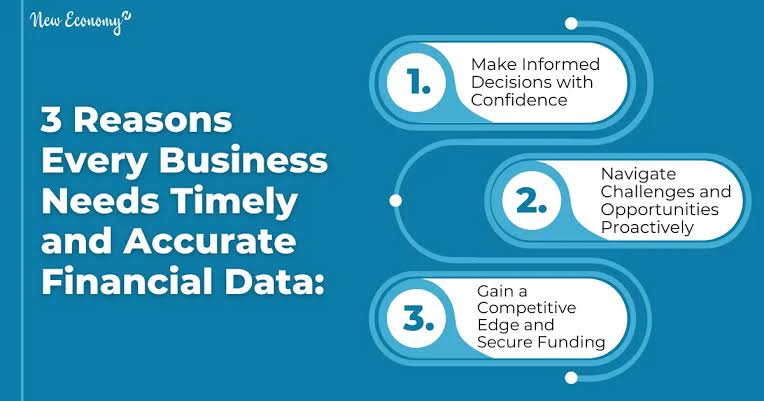
Whether you’re building a fintech product, running due diligence on a potential investment, or simply trying to understand a company’s financial health before doing business with them, the same problem keeps coming up: getting accurate, up-to-date financial data isn’t as simple as it should be.
The Gap Between “Available” and “Reliable”
There’s no shortage of financial information floating around online. Company websites, press releases, and news articles all reference revenue figures, funding rounds, or growth numbers. The problem is that most of this data isn’t standardised, isn’t verified, and often isn’t current. A number quoted in an article from two years ago can quietly become outdated without anyone flagging it.
For anyone making a decision based on that data — whether it’s a lending decision, an investment thesis, or a vendor risk assessment — relying on scattered, unverified figures is a real liability.
Where Structured Data Actually Comes From
Reliable financial information generally comes from one of two places: audited filings submitted to stock exchanges and regulators, or registry-sourced data submitted directly to government bodies. Both are far more trustworthy than scraped web content, because they’re subject to legal reporting requirements rather than marketing incentives.
This distinction matters a lot depending on what you’re trying to do. Research platforms and credit risk tools generally need deep, standardised financial statements — balance sheets, income statements, and cash flow data — refreshed regularly and sourced directly from filings rather than estimated or inferred.
Modern platforms that specialise in this space typically deliver it through an API, which is where the practical part of the decision comes in: choosing a provider whose coverage, update frequency, and licensing actually match what you need. For teams evaluating options, this breakdown of providers offering deep company financial data — including coverage, pricing, and how frequently the underlying filings are refreshed — is a useful starting point for comparing what’s actually available before committing to one.
What to Watch Out For
A few practical things tend to separate a genuinely useful data source from a frustrating one:
- Update frequency — data that’s refreshed quarterly might be too stale for time-sensitive decisions like credit assessments.
- Coverage breadth — a provider that only covers a handful of major markets won’t be much use if you’re working internationally.
- Depth of detail — some sources give you a headline revenue number; others give you a full breakdown of assets, liabilities, and cash flow.
- Source transparency — data pulled directly from regulatory filings is fundamentally more trustworthy than aggregated or estimated figures.
Why This Matters Beyond Fintech
It’s easy to assume this only matters to developers building financial products, but the same underlying need shows up in ordinary business decisions too. Verifying a supplier’s financial stability before signing a long-term contract, assessing a potential business partner, or simply understanding a competitor’s growth trajectory all depend on having numbers you can actually trust.
The Bottom Line
Good decisions depend on good data, and in the world of company financials, “good” usually means sourced, standardised, and current — not scraped from the first search result. Taking the time to understand where financial data actually comes from, rather than treating every number as equally reliable, is a small habit that pays off significantly when the stakes are high.