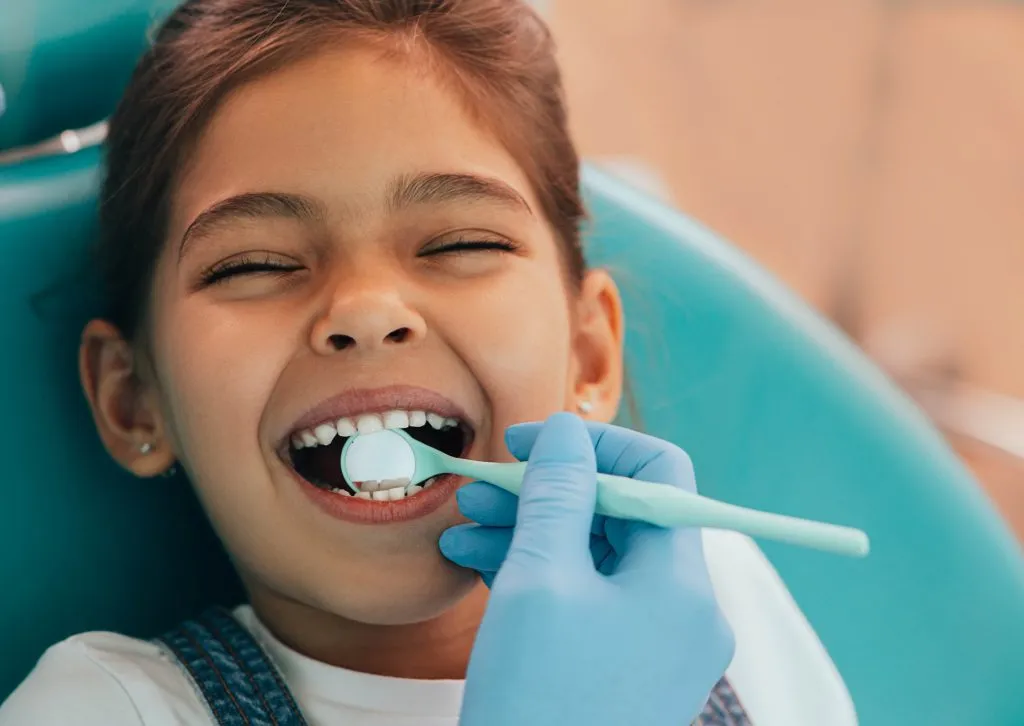
Good oral hygiene is essential at every stage of life, but the best routine evolves as our dental needs change. From a baby’s first tooth to maintaining healthy teeth in later years, consistent care helps prevent cavities, gum disease, and other oral health issues. Understanding age-specific recommendations allows individuals and families to build habits that support healthy smiles and overall well-being for years to come.
Building Healthy Habits During Infancy and Childhood
Oral care begins long before a child has a full set of teeth. Even before the first tooth appears, gently wiping an infant’s gums with a soft, damp cloth after feedings helps remove bacteria and encourages healthy oral development.
Once teeth begin to emerge, parents should brush them twice daily using a soft-bristled toothbrush designed for infants and young children. As children grow, teaching proper brushing techniques and making oral care part of the daily routine helps establish lifelong healthy habits.
Flossing should begin when two teeth touch, allowing plaque and food particles to be removed from areas that brushing alone cannot reach. Parents should continue supervising brushing and flossing until children demonstrate the coordination and consistency needed to perform these tasks effectively on their own.
Regular dental checkups also play an important role during childhood. Preventive visits allow dental professionals to monitor development, provide guidance, and identify concerns before they become more serious.
Helping Teenagers Maintain Consistent Oral Care
Teenage years bring unique oral health challenges. Increased independence, changing eating habits, busy schedules, and participation in sports all influence daily dental care routines.
Encouraging teenagers to brush twice each day for two minutes and floss daily remains the foundation of good oral hygiene. Consistency becomes especially important as permanent teeth must last a lifetime.
Nutrition and Lifestyle Choices Matter
Healthy eating supports both general health and strong teeth. Limiting sugary snacks, acidic beverages, and frequent snacking helps reduce the risk of tooth decay while protecting enamel.
Choosing water throughout the day and eating balanced meals rich in vitamins and minerals contributes to stronger teeth and healthier gums. Wearing properly fitted mouthguards during athletic activities also helps reduce the risk of dental injuries.
Parents should continue reinforcing healthy habits while encouraging teenagers to take increasing responsibility for their own oral health.
Maintaining Excellent Oral Health During Adulthood
For adults, preventive care remains the most effective way to protect oral health. Brushing twice daily with fluoride toothpaste, flossing once each day, and attending regular dental examinations help prevent many common dental conditions.
Busy work schedules and family responsibilities sometimes cause oral care to become less of a priority. However, maintaining consistent daily habits can reduce the likelihood of cavities, gum disease, tooth sensitivity, and other complications that may require more extensive treatment later.
Know When Immediate Care Is Necessary
Despite practicing good oral hygiene, dental emergencies can still occur. Accidents, sports injuries, sudden tooth pain, cracked teeth, or lost restorations often require prompt professional attention to prevent additional damage.
Seeking treatment from an emergency dentist in Layton when urgent dental problems arise can help relieve pain, preserve teeth when possible, and reduce the risk of further complications. Knowing where to seek care before an emergency happens provides peace of mind for individuals and families alike.
Adults should also avoid habits that place unnecessary stress on teeth, such as chewing hard objects or using teeth to open packaging, as these behaviors increase the risk of fractures and injury.
Adapting Oral Hygiene for Older Adults
As people age, maintaining oral health remains just as important. Older adults may experience changes such as dry mouth, gum recession, increased tooth sensitivity, or wear from decades of use. Adjusting daily routines helps address these evolving needs while preserving oral function and comfort.
Brushing gently with a soft-bristled toothbrush and flossing each day, carefully, continue to be essential. Individuals with limited hand mobility may benefit from adaptive oral care tools that make brushing and flossing easier and more effective.
Hydration also plays an important role in supporting oral health, particularly for those experiencing dry mouth. Drinking adequate water throughout the day and discussing medication-related side effects with healthcare providers may help manage symptoms that increase the risk of cavities.
For individuals with dentures, bridges, implants, or other dental restorations, proper cleaning remains essential. Following professional recommendations helps extend the lifespan of restorations while protecting surrounding oral tissues.
Routine dental visits continue to be valuable throughout later adulthood, allowing dental professionals to monitor changes, detect concerns early, and recommend personalized preventive care.
Creating Lifelong Oral Hygiene Success
Excellent oral health is built through consistency rather than perfection. Establishing simple daily habits early in life and adapting them as needs change allows people to protect their smiles throughout every stage of life.
Families can encourage good oral hygiene by creating routines together. Brushing at the same time each morning and evening, replacing toothbrushes regularly, scheduling preventive dental appointments, and choosing tooth-friendly foods all contribute to healthier smiles for everyone.
Education also plays a significant role. Teaching children why oral hygiene matters, encouraging teenagers to understand the long-term value of prevention, and helping adults remain proactive about dental care all contribute to lifelong success.
Remember that oral health is closely connected to overall wellness. Healthy gums and teeth support proper nutrition, comfortable speaking, self-confidence, and quality of life. By making oral hygiene a consistent priority every day, individuals of every age can reduce preventable dental problems and enjoy healthier smiles for years to come.
Conclusion
The best oral hygiene routine changes with age, but the fundamentals remain the same: consistent brushing, daily flossing, healthy eating habits, and regular preventive dental care. By adapting these practices to each stage of life, individuals can protect their teeth and gums while supporting overall health. Investing in daily oral care today helps create healthier smiles, greater confidence, and improved well-being for the future.