Let’s be blunt: smoke detectors pull people out of burning buildings alive. Yet plenty of owners and managers treat the things like furniture—something you install once and forget until a crisis forces your hand. One working unit can separate a close call from a catastrophe. That’s not hyperbole; it’s fire statistics. And because the stakes run that high, upkeep isn’t just a safety habit you’re morally urged to follow—it’s a hard legal obligation. Blow it off, and you’re staring down liability exposure, code violations, possibly criminal charges when someone gets hurt. Understanding what’s actually required—then doing it—protects occupants and keeps you off a plaintiff’s exhibit list.
Understanding Your Legal Obligations for Smoke Detector Maintenance
Property owners carry a legal duty to keep detection systems functional. Full stop. Building codes and fire safety rules across the country demand routine testing, live batteries, and units free from physical damage or blockage. Miss those requirements and you’ve breached your duty of care—which opens negligence claims, municipal fines, and in serious situations, criminal prosecution. “I didn’t know” won’t fly in court. Specifics vary by jurisdiction, sure, but every rulebook on the planet demands at least basic testing and battery replacement. That’s the floor. Not the ceiling.
Implementing a Consistent Testing and Battery Replacement Schedule
A regular maintenance calendar does two things simultaneously: keeps detectors ready to fire, and hands you a legal shield. Test every unit monthly—press the button, confirm the alarm sounds, write it down. Battery replacement runs roughly twice yearly; many managers tie it to daylight saving time changes so there’s a built-in memory hook. A written schedule isn’t just sound practice. It’s evidence. If a dispute lands in court, that log demonstrates you actually took your obligations seriously rather than hoped for the best. When occupants understand your routine, they tend to report problems themselves—an extra layer of protection you get for almost nothing.
Documenting Maintenance Activities and Creating Liability Records
Good records are your best shield when things go sideways. Every test, every battery swap, every repair—log the date, time, location, and result. Photographs help too; they provide visual proof you addressed a concern rather than let it fester. Why does any of this matter? Because weak documentation leaves you exposed even when you did the work. Proving it is a different problem entirely. Courts and insurance carriers treat thorough records as a signal that you were genuinely serious about compliance—not just going through motions. Comprehensive documentation can substantially shrink your liability footprint when a fire occurs and questions start flying about whether the detectors were actually functional at the time.
Addressing Faulty Detectors and Prompt Repair Procedures
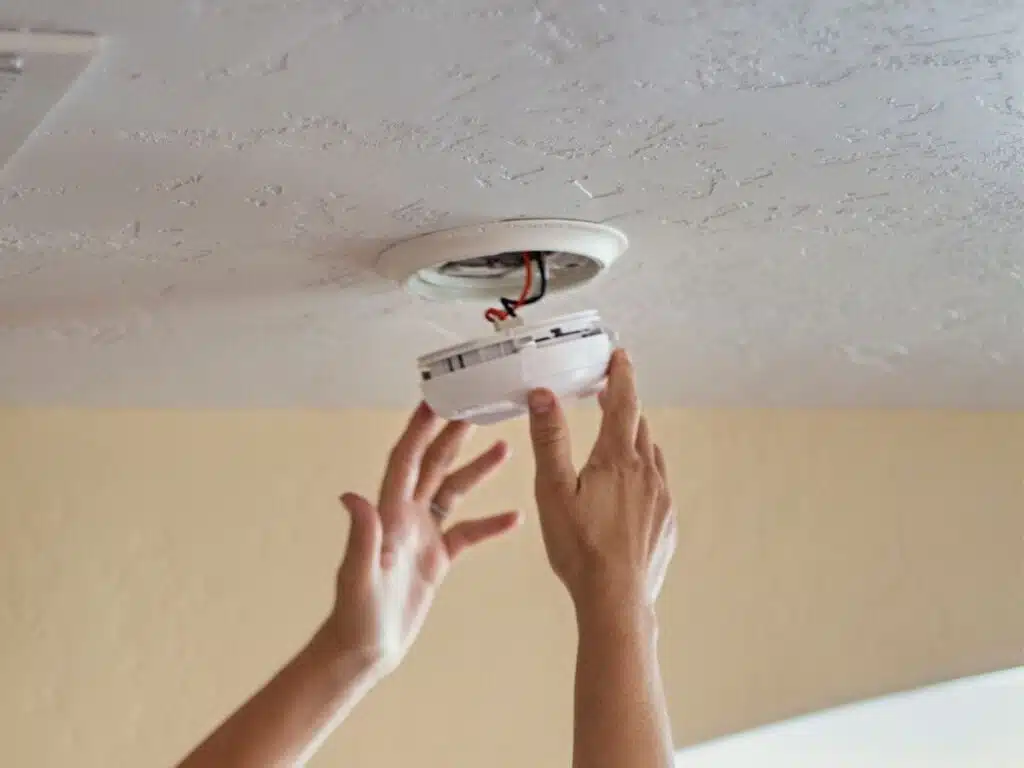
A broken detector sitting in place is a liability gap with a timestamp on it. Spot a malfunctioning, damaged, or absent unit—the clock starts immediately. Delays measured in weeks, not hours, telegraph negligence if a fire follows. Build a clear procedure: occupants need an easy channel to flag problems, and you need a system for tracking and closing those reports fast. Keep replacement units on hand. Seriously—sourcing a code-compliant smoke detector before you need one means a faulty unit gets swapped out immediately rather than after a shipping delay drags on for days. That kind of forward thinking signals safety is a genuine priority, not a box-checking exercise you tolerate once a year.
Conclusion
Proper smoke detector maintenance is your first real line of defense—against liability, absolutely, but also against genuine harm to the people living or working on your property. Know your legal obligations cold. Run a consistent testing and replacement schedule. Document everything, even when it feels redundant. Fix problems fast—not eventually. Together those habits build a safety posture that meaningfully shrinks your risk profile. The effort is modest. The potential cost of skipping it—lawsuits, fines, criminal exposure—is anything but. Owners who take this seriously demonstrate due diligence in a way that’s hard to argue with, and they’re far better positioned when safety questions inevitably come up.