Starting a small business from home no longer feels like a dream reserved for people with big savings, a large team, or a proper office. Many people now begin with one laptop, one phone, a small skill, and a clear plan. The good thing is that a home-based business can be started slowly, tested safely, and improved with time.
The title “Small Business Ideas to Make Money From Home With Low Investment” is important because most beginners are not looking for a risky business. They want something practical. They want an idea that can fit around family, studies, a job, or daily responsibilities. They also want a business that does not demand heavy rent, expensive equipment, or a large stock of products.
A low-investment home business does not mean “easy money.” It means you reduce unnecessary costs and use your skills, time, creativity, and online tools wisely. Some people earn through services, some through products, and some through digital work. The best idea depends on your experience, budget, location, and how much time you can give every day.
Quick Bio Table
| Detail | Information |
|---|---|
| Category | Business & Entrepreneurship |
| Topic Type | Home-Based Business Guide |
| Target Audience | Beginners, Students, Homemakers, Entrepreneurs |
| Investment Required | Low Investment |
| Business Model | Service-Based & Product-Based |
| Work Location | Home |
| Skills Needed | Basic to Advanced Depending on Business |
| Income Potential | Part-Time to Full-Time Earnings |
| Startup Difficulty | Easy to Moderate |
| Main Benefit | Low Risk and Flexible Schedule |
| Popular Options | Freelancing, Tutoring, Digital Products, Baking, Reselling |
| Long-Term Growth | High With Consistent Effort and Customer Trust |
What It Means
A small business from home is any business you can run from your house without needing a traditional shop or office. It may be fully online, such as freelancing, virtual assistance, content writing, tutoring, or selling digital products. It may also be offline but home-based, such as baking, handmade products, meal preparation, tailoring, or packing gift boxes.
The main goal is to create income by solving a real problem for customers. For example, a student may need tutoring, a small shop may need social media posts, a busy family may need homemade food, and a business owner may need help managing emails. When you understand what people need, your business becomes more than just an idea.
Low investment usually means you start with basic tools you already have. A mobile phone, internet connection, simple packaging, a few ingredients, or a laptop can be enough for many ideas. Instead of spending heavily in the beginning, you focus on getting your first few customers and learning from them.
Why Home Businesses Work
Home businesses work because they keep your costs low. You do not pay shop rent, office furniture expenses, daily transport, or a large staff salary in the beginning. This makes it easier to survive the early stage, where many businesses are still testing prices, customers, and offers.
Another reason is flexibility. You can work in the morning, evening, or at night depending on your routine. Parents, students, employees, and beginners often prefer this because they can start part-time before taking a bigger step.
A home business also gives you space to experiment. You can test one product, one service, or one small offer before building a full brand. If something does not work, you can change it without losing too much money. This practical approach is one of the biggest benefits of starting small.
Before You Start
Before choosing any business idea, take a little time to understand your skills. Ask yourself what you already know, what people ask you for help with, and what kind of work you can do consistently. A business that looks profitable on the internet may not be right for you if you do not enjoy it or cannot manage it daily.
You should also study the market. The U.S. Small Business Administration recommends market research, a business plan, startup cost calculation, business structure, and registration steps when starting a business. Even if you are starting very small, these basics help you think clearly.
Do not ignore money planning. Make a simple list of expected costs, such as internet, tools, packaging, advertising, delivery, platform fees, or raw materials. Then decide how many sales you need to recover that cost. A small calculation at the start can save you from confusion later.
Freelance Services
Freelancing is one of the most practical low-investment business ideas from home. You sell your skill instead of buying stock. Popular freelance services include writing, graphic design, web development, video editing, translation, data entry, bookkeeping, and social media design.
The best part is that you can start with one skill and improve with real projects. For example, if you know basic design, you can offer social media posts to local shops. If you know web development, you can create simple websites for small businesses. If you write well, you can offer blog posts, product descriptions, or email content.
To begin, create a small portfolio. It does not have to be fancy. Make a few sample designs, sample articles, or demo websites. Then reach out to local businesses, online groups, freelancing platforms, and people in your network. Your first clients may not pay a lot, but they can give you experience, reviews, and confidence.
Online Tutoring
Online tutoring is a strong home business because education is always needed. You can teach school subjects, English, coding, Quran, math, science, exam preparation, or professional skills. If you are good at explaining things simply, tutoring can become a reliable income source.
You do not need a large setup. A phone or laptop, stable internet, a notebook, and a quiet corner can be enough. You can use video calls, recorded lessons, worksheets, or WhatsApp support. Many parents prefer tutors who are patient, clear, and regular.
Start with one subject and one age group. For example, “English speaking for beginners,” “math for grade 6,” or “basic coding for school students.” A clear offer helps parents and students understand what you teach. Later, you can increase your fees, add group classes, or create recorded courses.
Social Media Management
Many small businesses know they need social media, but they do not have time to post regularly. This creates a good opportunity for home-based social media managers. You can help businesses create posts, write captions, reply to messages, plan content, and improve their online presence.
This business works well if you understand platforms like Instagram, Facebook, TikTok, LinkedIn, or Pinterest. You do not need to be famous yourself. You need to understand consistency, basic design, customer behavior, and simple marketing.
Start by helping one local business. Offer a basic monthly package, such as twelve posts, captions, and page management. Use simple tools to design content and track performance. Over time, you can add services like reels editing, ad management, content strategy, and brand planning.
Digital Products
Digital products are attractive because you create them once and sell them many times. Examples include templates, ebooks, planners, printable checklists, resume formats, social media templates, Notion dashboards, budget sheets, and online courses.
Shopify has highlighted digital products as a low-investment idea because they do not require manufacturing, storage, or shipping in the same way physical products do. This means your costs can stay low after the product is created.
The challenge is choosing a product people actually need. A simple budget planner for students, a wedding checklist, a business invoice template, or a resume design can sell if it solves a clear problem. You can sell through your own website, online marketplaces, social media, or direct payment links.
Print-on-Demand
Print-on-demand is a business where you sell custom designs on items like T-shirts, mugs, hoodies, tote bags, phone cases, or wall art. You do not keep inventory. When a customer orders, a supplier prints and ships the item.
This model is useful for creative people who enjoy slogans, designs, trends, or niche audiences. For example, you can create designs for teachers, pet lovers, gym lovers, gamers, students, or local culture.
The low-investment benefit is clear: you do not buy hundreds of products before selling. However, you still need good designs, product research, mockups, marketing, and customer service. It is not passive at the start. You must test designs and understand what customers like.
Dropshipping
Dropshipping is another low-investment e-commerce model. You list products online, and when someone buys, your supplier ships the product directly to the customer. You do not store inventory at home.
This sounds simple, but it requires careful work. You need reliable suppliers, clear delivery times, fair pricing, good product descriptions, and customer support. If the supplier is slow or the product quality is poor, your brand will suffer.
Dropshipping can work better when you choose a specific niche instead of selling random products. For example, home organization tools, pet accessories, kitchen gadgets, study desk items, or fitness accessories. A focused store is easier to market than a store that sells everything.
Home Bakery
A home bakery is a beautiful business idea for people who enjoy baking and food presentation. Cakes, cupcakes, brownies, cookies, pastries, customized desserts, and snack boxes can all be sold from home with a small start.
You can begin with a few items instead of a large menu. This keeps costs low and helps you maintain quality. For example, you may start with brownies and birthday cakes only. Once customers trust your taste, you can expand.
Food businesses depend heavily on hygiene, packaging, freshness, and trust. Good photos also matter because people often order food after seeing it online. Share real pictures, customer reviews, and behind-the-scenes preparation. Also check local food safety rules before selling regularly.
Meal Prep
Meal prep is useful for busy workers, students, fitness-focused people, and families who want homemade food but do not have time to cook daily. You can offer lunch boxes, weekly meals, frozen snacks, diet meals, or office lunch services.
This business can start small with a limited number of orders. For example, take five lunch box orders per day and improve your process. You need good planning because food cost, portion size, delivery, and timing affect profit.
The best way to stand out is to offer a clear menu and consistent taste. People return when food feels clean, fresh, and reliable. If you can provide healthy options, budget meals, or traditional homemade food, you may build a loyal customer base.
Handmade Products
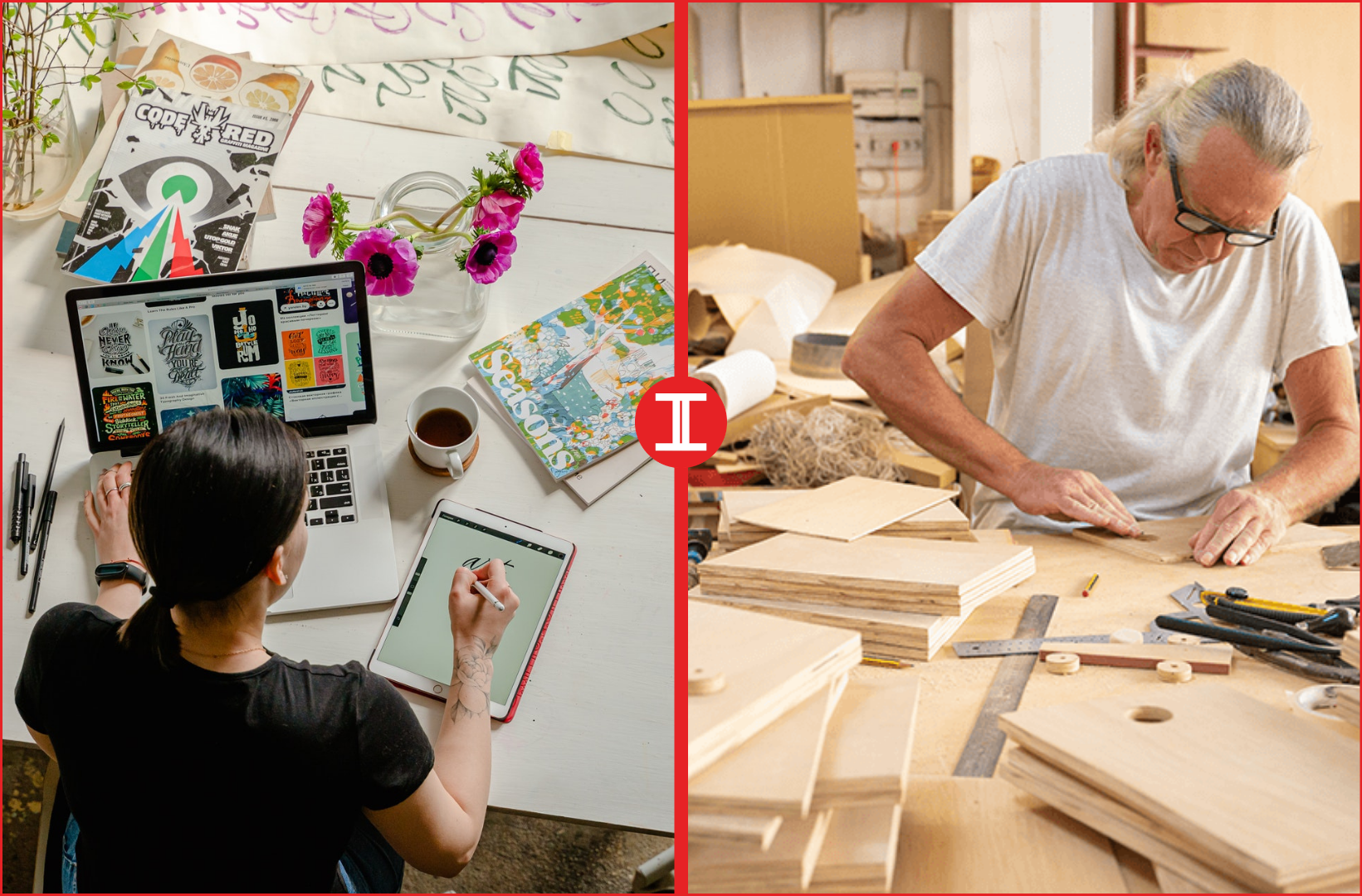
Handmade products have a personal touch that mass-produced items often do not have. Candles, soaps, jewelry, crochet items, gift boxes, resin art, home decor, and customized crafts can all be made from home.
This business is best for people who enjoy detail and creativity. You can start with small batches and sell through Instagram, Facebook, WhatsApp, local exhibitions, or online marketplaces. Beautiful packaging can make a big difference because handmade products are often bought as gifts.
Before investing heavily, test demand. Make a few samples, take quality photos, and ask people what they would pay. This helps you avoid buying too much material before knowing what sells.
Virtual Assistant
A virtual assistant helps business owners with tasks they do not have time to manage. This may include email handling, calendar management, data entry, research, customer support, appointment booking, file organization, or simple admin work.
This is a good home business for organized people. You do not need advanced technical skills at the start, but you do need reliability, communication, and attention to detail. Clients trust virtual assistants with important tasks, so professionalism matters.
You can begin by offering a few hours per week to small business owners, coaches, freelancers, or online sellers. Later, you can specialize in e-commerce support, real estate admin, email management, or customer service.
Content Writing
Content writing is a low-cost business for people who enjoy research and clear writing. Businesses need blog posts, website pages, product descriptions, newsletters, captions, and guides. Good writing helps brands explain their products and attract customers.
To start, pick a few niches you understand. For example, technology, health, finance, education, beauty, travel, or small business. Write sample articles and show them to potential clients. A clean portfolio is more useful than simply saying you can write.
Writers should also learn basic SEO. This means understanding keywords, headings, readability, search intent, and internal linking. You do not need to overcomplicate it. The goal is to write helpful content that answers real questions.
Affiliate Marketing
Affiliate marketing means you recommend products or services and earn a commission when someone buys through your link. This can be done through blogs, YouTube, newsletters, or social media.
It is low investment because you do not create or ship the product. However, it takes patience. You need an audience, trust, and useful content. Randomly posting links usually does not work. People buy when your recommendation feels honest and helpful.
Choose a niche you can talk about regularly. For example, home office tools, budget gadgets, skincare, books, online courses, software, kitchen items, or fitness products. Review products honestly and explain who they are best for.
Reselling Products
Reselling is simple: you buy products at a lower price and sell them at a profit. You can resell clothes, accessories, beauty items, phone covers, stationery, home items, or imported products.
This business needs more care than service businesses because you may need stock. Start with a small quantity. Do not buy too many items just because they look popular. Test demand first, then reorder what sells.
Use clear photos, honest descriptions, and fast replies. Many resellers grow through WhatsApp groups, Instagram pages, Facebook Marketplace, and local delivery. Customer trust is everything, especially if people pay before receiving the product.
Choosing the Right Idea
The right business idea is not always the trendiest one. It is the one that matches your skill, budget, routine, and customer demand. A person who enjoys teaching may do better in tutoring than dropshipping. A person with design skills may do better in freelancing or print-on-demand.
Ask yourself three simple questions. What can I do well? Who needs this? How soon can I offer it? If you can answer these clearly, you are closer to a practical business.
Also think about your personality. If you enjoy talking to people, tutoring, social media management, or sales may suit you. If you prefer quiet work, writing, design, digital products, or virtual assistance may feel more natural.
Low Budget Setup
A low-budget setup should be simple. For online services, you may need a laptop or mobile phone, internet, basic software, and a portfolio. For product-based work, you may need raw material, packaging, photos, and delivery planning.
Avoid spending too much on logos, fancy websites, and expensive ads before you have customers. A simple social media page, clean offer, and direct outreach can be enough in the beginning. Once money starts coming in, reinvest slowly.
Make your business look trustworthy. Use a clear name, proper contact details, neat photos, customer reviews, and transparent pricing. Small details create confidence, especially when people are buying from a home-based business.
Getting Customers
Getting customers is often harder than choosing the idea. Start with people who already know you. Tell friends, family, neighbors, old classmates, and local business owners what you offer. Many first sales come from personal networks.
Then use social media consistently. Post your work, explain your process, share customer feedback, and educate your audience. Do not only post “buy now.” Show why your product or service is useful.
You can also offer an introductory price, free sample, or small trial service. For example, a social media manager can design three sample posts for a shop. A tutor can offer one demo class. A baker can sell a small tasting box. These small steps reduce customer hesitation.
Managing Money
Keep business money separate from personal spending as early as possible. Even if you do not open a separate bank account immediately, write down every sale and every expense. This habit helps you understand profit clearly.
Track costs such as internet, delivery, packaging, raw material, software, payment fees, and advertising. Many beginners think they are earning until they calculate all expenses. Profit is what remains after costs.
Taxes and legal rules depend on your country and location. The IRS, for example, provides official guidance for self-employed individuals and small businesses in the United States, including filing income and paying estimated taxes. Wherever you live, it is wise to check local rules before your business grows.
Common Mistakes
One common mistake is starting too many ideas at once. A beginner may try freelancing, dropshipping, baking, and affiliate marketing together, then feel tired and confused. It is better to focus on one idea for at least a few months.
Another mistake is copying others without understanding customers. Just because someone is making money with a product does not mean you will get the same result. You need your own audience, pricing, quality, and service.
Many people also give up too early. A home business may take time to build. The first month may bring little or no profit. Use that time to improve your offer, learn customer needs, and create better marketing.
Best Beginner Choices
For most beginners, the safest low-investment choices are freelancing, tutoring, virtual assistance, content writing, social media management, and digital products. These businesses mostly depend on skills and time rather than heavy stock.
If you enjoy physical products, home bakery, meal prep, handmade items, and reselling can also work well. Just start small, keep quality high, and avoid wasting money on large inventory.
The best idea is the one you can start this week with what you already have. Waiting for the perfect time often delays progress. A small, honest start is better than a big plan that never begins.
PEOPLE ALSO READ : Money BetterThisWorld: A Simple Guide to Smarter Financial Choices
Final Thoughts
Small business ideas to make money from home with low investment are not only about earning extra income. They are about building independence, learning real business skills, and creating something useful from your own space.
Start with a simple offer, keep your costs low, and focus on helping real people. Do not chase every trend. Choose one practical idea, test it with a small business audience, improve your service, and build trust step by step.
A home-based business may begin on a kitchen table, a study desk, or a mobile phone. With patience and consistency, it can grow into a serious income source. The beginning does not need to be perfect. It only needs to be clear, useful, and honest.
Frequently Asked Questions
What is the best small business to start from home?
Freelancing, online tutoring, social media management, and digital products are among the best low-investment home businesses.
How much money do I need to start a home business?
Many home businesses can be started with less than $100, while some service-based businesses require almost no investment.
Can I run a home business part-time?
Yes. Many people start part-time while studying or working and later turn it into a full-time business.
Which home business is most profitable?
Profitability depends on skills and demand, but freelancing, digital products, and online services often offer strong profit margins.
How can I find customers for my home business?
You can find customers through social media, referrals, local communities, online marketplaces, and networking.