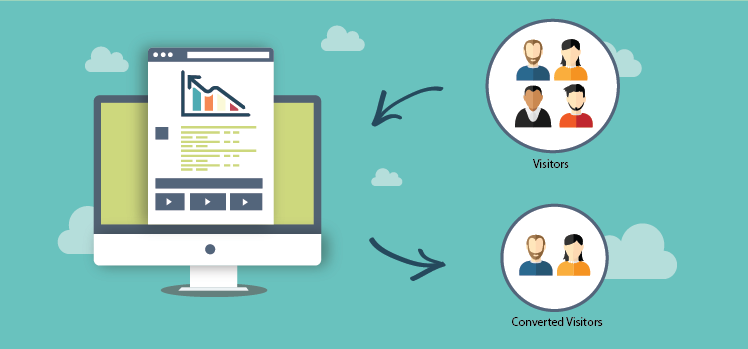
Getting website traffic is only half the battle. Many businesses attract visitors through search engines but struggle to convert those visitors into leads they can nurture and eventually turn into customers. Without a clear lead generation strategy, valuable traffic often leaves without taking any meaningful action.
This is where SEO becomes much more than a visibility tool. By targeting search terms that reflect real interest and purchase intent, SEO helps bring in people who are actively looking for answers, products, or services. These visitors are already engaged, making them more likely to subscribe, download resources, or request additional information.
Email subscribers hold lasting value because they give businesses a direct communication channel that is not dependent on search engine rankings or advertising costs. When combined with high-quality content, well-placed calls to action, and relevant lead magnets, SEO can create a steady system for turning organic traffic into qualified email leads and long-term business opportunities.
Why SEO Is More Than Just a Traffic Generation Channel
Many businesses measure SEO success by traffic numbers alone. While attracting visitors is important, traffic by itself does not generate leads or revenue. The real value of SEO comes from bringing the right people to your website at the right time.
The Difference Between Traffic and Qualified Traffic
Not every visitor who lands on your website is interested in your products or services. Some users are casually researching a topic, while others are actively searching for a solution to a specific problem. Qualified website traffic consists of people whose search behavior indicates genuine interest and a higher likelihood of taking action.
A strong SEO lead generation strategy focuses on keywords that match user intent. When content is built around those searches, businesses attract visitors who are more likely to subscribe, download resources, request a consultation, or join an email list.
Why Organic Search Visitors Convert Better
Organic search visitors often arrive with a clear purpose. They are not randomly browsing or stumbling across content. Instead, they are looking for answers, comparisons, services, or solutions that match their needs.
Because these users are already engaged in the decision-making process, they tend to move further along the buying journey than general website visitors. This makes organic traffic conversion more achievable when relevant content, helpful resources, and clear calls to action are placed throughout the user experience.
Start With High-Intent Keywords That Attract Potential Leads
The success of any lead generation SEO strategy begins with keyword selection. Many websites target broad informational searches that attract visitors but generate very few conversions. While informational content has its place, businesses looking to grow their email lists should also focus on searches that indicate a stronger interest in products, services, or solutions.
Understanding Commercial and Transactional Keywords
Keywords generally fall into different intent categories. Informational searches are used by people seeking knowledge, such as “what is email marketing” or “how SEO works.” These searches can drive traffic, but visitors may not be ready to take action.
Commercial intent keywords and transactional search queries often signal a higher level of interest. Examples include searches such as “best SEO tools for lead generation,” “email marketing software comparison,” or “SEO agency for small business.” Users entering these searches are typically evaluating options or looking for a solution, making them more likely to engage with lead magnets or join an email list.
Because these visitors already have a goal in mind, they often convert at a higher rate than users performing general research.
How Search Intent Influences Lead Quality
Search intent plays a major role in determining the quality of leads generated through SEO. When content aligns with what users expect to find, engagement increases and bounce rates tend to decrease.
A solution-focused approach works best. Instead of targeting keywords that attract curiosity alone, focus on searches connected to specific challenges, business goals, or purchasing decisions. By matching content to visitor expectations, businesses can attract more qualified prospects and create a stronger path from search engine traffic to email lead generation.
Create Content That Naturally Moves Visitors Toward Action
Attracting visitors through search engines is only the first step. To turn that traffic into email leads, your content must guide readers toward the next action without feeling overly promotional. The most effective approach is to provide useful information while showing how a specific solution can help achieve a desired outcome.
What Is Product-Led Content?
Product-led content focuses on solving real problems while naturally introducing a product, service, or method that addresses those challenges. Rather than discussing a topic in theory, this type of content connects information with practical solutions.
For example, an article about improving email signup rates can explain proven strategies while demonstrating how a particular tool or service supports those efforts. This creates a smoother user experience because readers can immediately see how the solution applies to their situation.
A strong product-led content approach makes it easier for visitors to understand the value being offered, increasing the chances of website visitor conversion.
Use Real Examples, Visuals, and Use Cases
People are more likely to trust content that shows real-world applications. Adding screenshots, walkthroughs, and practical demonstrations helps readers visualize the process and understand the expected results.
Case studies can also strengthen credibility by showing how a strategy, tool, or service helped achieve measurable outcomes. Instead of making broad claims, use examples that illustrate specific improvements or solutions.
As part of an effective SEO content strategy, these elements keep visitors engaged, build confidence, and encourage them to take the next step, whether that means downloading a resource, signing up for updates, or joining your email list.
Lead Magnets That Encourage Visitors to Share Their Email Address
Even the most targeted SEO campaign can fall short if visitors have no reason to provide their contact information. This is where lead magnets become essential. A well-crafted offer gives visitors something useful in exchange for their email address, creating a simple and effective path to email lead generation.
Types of Lead Magnets That Work
The best lead magnets solve a specific problem or help users achieve a goal faster. Popular options include checklists that simplify complex tasks, templates that save time, and PDF summaries that condense lengthy content into a quick reference guide.
Free mini courses can also perform well because they provide structured learning without requiring a major commitment. Webinars remain another strong option, especially for businesses that want to educate prospects while building trust and credibility.
The key is choosing a format that matches the interests and needs of your audience.
What Makes a Lead Magnet Valuable
Not all lead magnets produce the same results. The most effective offers share three important qualities: relevance, simplicity, and immediate value.
A lead magnet should directly relate to the content a visitor is already reading. If someone lands on an article about SEO lead generation, offering an SEO checklist or keyword research template makes far more sense than an unrelated resource.
It should also be easy to access and deliver a clear benefit right away. When visitors see a quick solution to a problem they care about, they are far more likely to subscribe, helping businesses increase email subscribers and build a stronger lead generation funnel.
Strategic CTA Placement That Increases Email Signups
Driving visitors to your website through SEO is valuable, but conversions happen when visitors are encouraged to take action. A well-placed call to action can turn a casual reader into an email subscriber. The location, design, and wording of your CTA all influence its performance.
Best CTA Locations Inside Content
Different CTA placements serve different purposes, and combining several of them can improve results. In-text CTAs often perform well because they appear while readers are actively consuming content. These prompts feel natural and connect directly to the topic being discussed.
Top bars provide immediate visibility as soon as a visitor lands on the page. Sidebars offer a consistent presence without interrupting the reading experience. Slide-ins can appear after a visitor has spent time engaging with the content, making them less intrusive than traditional popups.
Exit-intent popups are particularly useful because they target visitors who are about to leave the website. Presenting a valuable offer at this stage can recover leads that might otherwise be lost.
Elements of a High-Converting CTA
Successful call to action optimization starts with clear messaging. Visitors should instantly understand what they will receive and why it matters. Action-oriented language such as “Download the Checklist” or “Get the Free Guide” encourages immediate engagement.
Strong visual design also plays an important role. CTAs should stand out without overwhelming the page. Keeping email signup forms simple by requesting only essential information can further increase conversions by reducing friction.
Why Testing CTA Placement Matters
There is no single CTA placement that works best for every audience. A/B testing allows businesses to compare different designs, messages, and positions to identify what generates the highest response.
As part of a broader conversion rate optimization strategy, ongoing testing helps uncover opportunities to improve performance. Even small adjustments to CTA placement or wording can lead to higher signup rates and more qualified email leads over time.
Improve User Experience to Keep Visitors Engaged Longer
Bringing visitors to your website through search engines is only part of the process. If the experience is slow, confusing, or difficult to navigate, many users will leave before subscribing to your email list. Strong user experience optimization helps keep visitors engaged, encourages exploration, and increases the likelihood of conversion.
Mobile Responsiveness and Page Speed
A large share of website traffic now comes from mobile devices, making a mobile-first experience essential. Visitors expect pages to load quickly and display properly regardless of screen size. Businesses that invest in professional website development solutions, such as those offered by Coupa Software, are often better positioned to deliver seamless mobile experiences. If a page takes too long to load or requires excessive zooming and scrolling, users are likely to leave and continue their search elsewhere.
Page speed also affects engagement. Faster-loading pages create a smoother browsing experience and help visitors access information without unnecessary delays. When users can quickly find what they need, they are more likely to stay on the site and interact with offers, resources, and email signup opportunities.
Make Content Easy to Read and Navigate
Well-structured content improves readability and helps visitors locate important information quickly. Clear headings break content into manageable sections, while short paragraphs prevent readers from feeling overwhelmed.
Bullet points can highlight key takeaways and improve content scanning, especially for users who prefer to skim before reading in detail. An effective internal linking strategy also guides visitors to related resources, encouraging them to spend more time on the website.
When content is organized and easy to navigate, organic traffic conversion becomes much easier because visitors can move naturally from information gathering to taking action.
Build Trust Before Asking for an Email Address
Most visitors will not share their email address the moment they land on a website. Before taking that step, they want reassurance that the business is credible, knowledgeable, and capable of delivering value. Trust is often the factor that determines whether a visitor subscribes or leaves without taking action.
The Role of Social Proof in Lead Generation
Social proof marketing helps reduce uncertainty by showing that other people have already benefited from your products, services, or content. Testimonials and customer reviews provide real experiences that potential subscribers can relate to. Positive feedback from existing customers can make visitors feel more confident about engaging with your brand.
Client logos can further strengthen credibility, especially when they represent recognized companies or organizations. Subscriber counts may also influence decision-making by demonstrating that others find value in your content and resources. Together, these trust signals create a sense of confidence that encourages visitors to join your email list.
Authority and Credibility Signals
Authority is built through expertise, consistency, and transparency. Publishing accurate, helpful content shows visitors that you understand the challenges they face and can provide useful guidance.
Real-world results are equally important. Sharing case studies, performance data, or measurable outcomes gives visitors evidence that your strategies work in practice. Transparency about processes, pricing, or expectations can also strengthen confidence.
When trust signals are integrated throughout a website, they support website conversion optimization by reducing hesitation and making visitors more comfortable taking the next step in the lead generation process.
Use Exit-Intent and Retargeting to Recover Lost Opportunities
Not every visitor will subscribe, download a resource, or contact your business during their first visit. In many cases, users leave a website while still evaluating their options. Rather than losing these potential leads completely, businesses can use exit-intent and retargeting strategies to bring them back into the customer acquisition funnel.
How Exit-Intent Popups Capture Leaving Visitors
Exit intent popups are designed to appear when a visitor shows signs of leaving a page. This creates one final opportunity to present an offer before they exit the website.
A well-timed popup can feature a lead magnet such as a checklist, template, industry guide, or exclusive resource. Some businesses also use discounts, free consultations, or limited-time offers to encourage action. The goal is to provide enough value to make visitors reconsider leaving without engaging.
When the offer is relevant to the content being viewed, exit intent popups can help capture email addresses that might otherwise be lost.
Retargeting Visitors Who Did Not Convert
Many users need multiple interactions before they feel ready to take action. Retargeting campaigns help businesses reconnect with visitors who previously viewed their website but did not convert.
Through remarketing ads, businesses can display relevant messages across search engines, social platforms, and partner websites. These reminders keep the brand visible and encourage visitors to return when they are ready to move forward.
This multi-touch lead generation approach keeps prospects engaged throughout the buying process. Combined with SEO and email marketing, retargeting can help recover missed opportunities and increase the number of qualified leads entering the sales pipeline.
Combining SEO and Email Marketing for Sustainable Lead Growth
SEO and email marketing are often treated as separate channels, but they work best when connected. SEO brings new visitors to your website through search engines, while email marketing helps maintain communication after those visitors subscribe. This approach becomes even more effective when supported by tools like Get Mail Zeno, which help businesses manage subscriber relationships and deliver relevant email campaigns. Together, they create a system that supports ongoing lead generation and customer engagement.
How Email Supports SEO Performance
Email can extend the value of every piece of content you publish. Sharing blog posts through newsletters introduces new content to subscribers and encourages them to return to your website. This repeat traffic increases content visibility and gives readers additional opportunities to engage with your brand.
Regular email campaigns can also help keep subscribers informed about new resources, guides, and industry updates. As visitors return and interact with your content, engagement metrics improve, creating more opportunities to generate leads and conversions.
Using Email Data to Improve SEO Decisions
Email campaigns generate valuable insights that can strengthen your SEO and email marketing efforts. Click-through data reveals which topics attract the most attention, while subscriber behavior helps identify audience interests and content preferences.
These insights can guide future content planning, keyword targeting, and resource development. Instead of guessing what your audience wants, you can use real engagement data to shape a more informed content strategy.
Creating a Continuous Lead Generation Cycle
A sustainable lead generation funnel depends on consistent traffic and ongoing communication. SEO attracts visitors who are actively searching for information, products, or services. Once visitors subscribe, an effective email marketing strategy helps nurture those relationships through relevant content and offers.
As subscribers return to your website, engage with new content, and move closer to a purchasing decision, the cycle repeats. This combination creates a reliable framework for attracting, nurturing, and converting leads over time.
Common Mistakes That Reduce Email Lead Conversions
Even websites with strong traffic numbers can struggle to generate leads when key conversion factors are overlooked. One of the most common lead generation mistakes is targeting low-intent keywords that attract visitors who are not ready to engage or subscribe. While these keywords may increase traffic, they often produce fewer conversions.
Weak CTA placement can also limit results. If visitors cannot easily find signup opportunities, they are less likely to join your email list. Generic lead magnets create a similar problem because they fail to address the specific needs of the audience.
Technical issues can also hurt performance. Slow website loading times frustrate users and increase abandonment rates. Ignoring mobile users creates additional barriers, especially as a large percentage of traffic now comes from smartphones and tablets.
A lack of trust signals such as testimonials, reviews, or case studies can make visitors hesitant to share their contact information. Finally, many businesses fail to test their SEO conversion tactics. Without ongoing analysis and optimization, it becomes difficult to identify what is working and where improvements are needed.
How Businesses Can Scale Lead Generation With Professional SEO Support
Scaling lead generation requires more than simply increasing website traffic. Businesses need a strategy that combines keyword targeting, conversion-focused content, technical SEO improvements, and funnel optimization to maximize results.
Professional SEO support can help identify search opportunities that attract qualified visitors while improving the overall user experience. Content can then be structured to guide visitors toward lead magnets, email signup forms, and other conversion points.
Technical improvements such as faster page speeds, better site architecture, and mobile optimization also contribute to stronger performance. At the same time, funnel optimization helps remove obstacles that prevent visitors from becoming subscribers.
Many businesses work with agencies such as SEO Agency Interamplify to connect SEO traffic with lead generation goals, creating a more efficient path from search visibility to qualified email leads.
Conclusion
SEO can do much more than increase website traffic. When built around high-intent keywords, it attracts people who are actively searching for answers, products, or services. These visitors are often more likely to engage with relevant offers and join an email list.
Turning organic traffic into subscribers requires a combination of valuable content, well-placed CTAs, and lead magnets that address specific audience needs. A positive user experience, supported by fast page speeds, mobile optimization, and trust-building elements, helps remove barriers that can prevent conversions.
The connection between SEO and email marketing creates a reliable lead generation system. SEO brings qualified visitors to your website, while email marketing keeps those prospects engaged through ongoing communication and relevant content.
Businesses that consistently refine their strategy, test conversion opportunities, and focus on audience intent are better positioned to grow their subscriber base over time. For those seeking proven SEO best practices and lead generation insights, Rank Visely provides valuable guidance on building sustainable organic growth and stronger conversion pathways.
READ ALSO: How Upwork’s First MCP Integration Could Transform Lead Generation