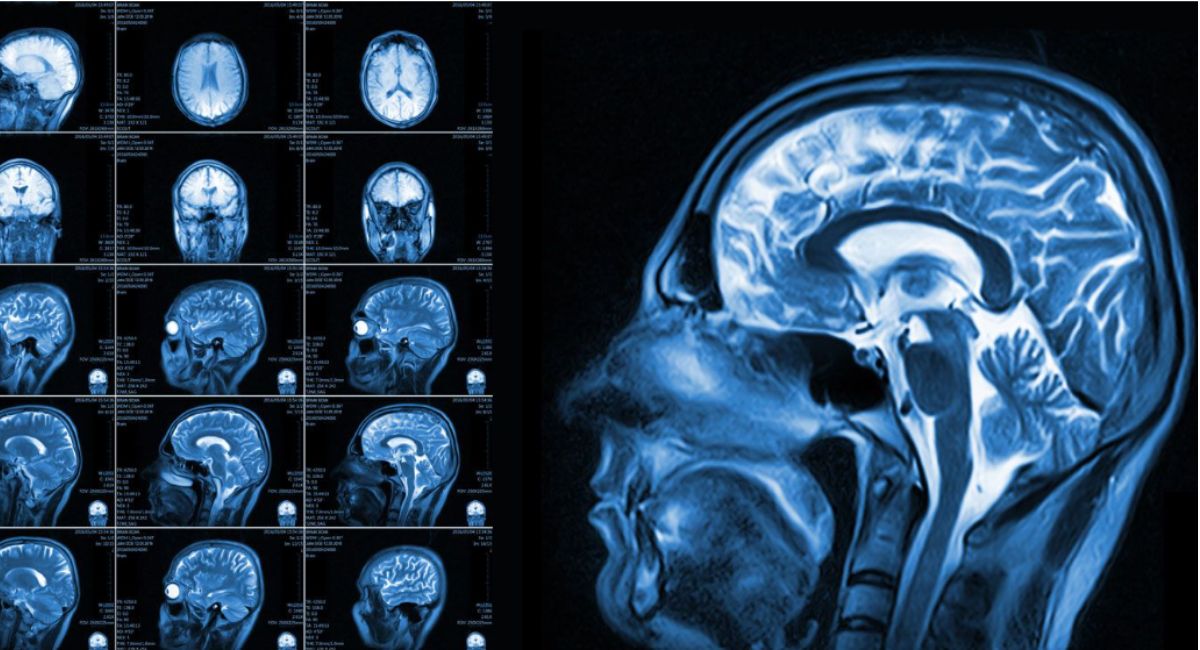
A driver walks away from a serious crash without a scratch. Friends say they were lucky. First responders find no broken bones. A few days later, the headaches begin. Memory slips become common. Simple conversations feel exhausting. Recovery suddenly becomes far more complicated than anyone expected.
If mounting medical expenses, missed work, and ongoing treatment follow an accident, understanding your options regarding brain injury claims can help protect your financial future.
The biggest mistake people make after a head injury is believing that if they feel fine today, they are actually fine. The most serious traumatic brain injuries are often invisible during the first hours or even the first several days. That delayed onset can affect medical treatment, financial recovery, and long-term quality of life.
“What you cannot see after a brain injury is often what causes the greatest long-term damage.”
Stop Judging Brain Injuries by Visible Symptoms
Many people expect serious injuries to leave obvious signs.
Cuts.
Broken bones.
Heavy bleeding.
Brain injuries rarely follow that pattern.
After a collision, fall, workplace accident, or sports injury, adrenaline can temporarily mask symptoms that later become life-changing. Someone may feel capable of driving home, returning to work, or declining medical care even though the brain has experienced significant trauma.
Feeling normal immediately after an accident is not proof that the brain escaped injury.
The Centers for Disease Control and Prevention identifies traumatic brain injuries as a leading cause of disability and stresses that prompt medical evaluation is essential after any significant blow to the head.
Early symptoms often include headaches, dizziness, nausea, fatigue, blurred vision, confusion, sensitivity to light, difficulty concentrating, or short-term memory problems.
Some symptoms may not fully develop until days later.
That delay is exactly why immediate medical evaluation matters.
Pay Attention to Changes Others Notice First
Brain injuries affect much more than memory.
They frequently alter mood, personality, emotional regulation, and behavior.
Family members are often the first people to recognize these changes.
A normally patient parent becomes unusually frustrated.
A dependable employee suddenly struggles to stay organized.
Someone who once enjoyed social activities begins withdrawing from friends and family.
These subtle shifts are easy to dismiss individually but together they often reveal an underlying brain injury.
“Recovery is not measured only by physical healing. Cognitive and emotional recovery matter just as much.”
The Mayo Clinic explains that traumatic brain injuries can produce emotional and cognitive symptoms that interfere with relationships, employment, and everyday responsibilities.
Brain injuries change how people think, communicate, and function long before others recognize the full impact.
Expect Recovery to Last Longer Than You Think
Many people believe leaving the emergency room means recovery has largely begun.
For traumatic brain injury survivors, the opposite is often true.
The first hospital visit frequently marks the beginning of an extended recovery process rather than the end of medical treatment.
Neurological evaluations, physical therapy, speech therapy, occupational therapy, cognitive rehabilitation, counseling, medication management, and specialist appointments may continue for months or even years.
Some people recover relatively quickly.
Others continue managing symptoms for the rest of their lives.
Healing from a brain injury is rarely predictable.
Recovery often includes progress, setbacks, and periods where symptoms temporarily worsen before improving again.
Understanding that reality helps families prepare both emotionally and financially.
Recognize the Financial Impact Early
Medical bills rarely stop after the initial emergency visit.
As treatment continues, expenses often grow.
Rehabilitation programs, specialist appointments, prescription medications, diagnostic testing, transportation, and ongoing therapy can quickly become overwhelming.
Lost income frequently adds another layer of financial pressure.
Some individuals cannot immediately return to work.
Others return but struggle to perform the same responsibilities they handled before the injury.
Family members may also reduce their own work schedules to provide transportation, supervision, or daily care.
A traumatic brain injury affects both physical health and long-term financial stability.
Planning for these challenges early helps reduce additional stress during recovery.
Build Evidence Before Questions Arise
Brain injuries are commonly described as invisible injuries because many symptoms cannot be captured in a photograph or immediately confirmed through routine testing.
That reality often leads insurance companies to request additional documentation before evaluating a claim.
Medical records become critically important.
Diagnostic imaging, physician evaluations, therapy notes, prescription histories, rehabilitation reports, employment records, and personal symptom journals all help demonstrate how the injury affects daily life.
Keeping detailed records also allows doctors to monitor progress while creating a clear timeline of recovery.
“The strongest brain injury claims are supported by consistent treatment, organized documentation, and evidence that clearly shows how daily life has changed.”
Documentation benefits both medical care and any future legal process.
Insurance Evaluations May Differ From Medical Recovery
Recovering from a brain injury and proving its impact are not always the same process.
Insurance companies often evaluate claims based on documentation rather than symptoms alone.
Because many traumatic brain injuries develop gradually, early statements made immediately after an accident may not fully reflect the seriousness of the injury.
That is one reason healthcare providers encourage patients to continue follow-up appointments and report every new or changing symptom.
Consistent medical care creates a more complete understanding of how the injury progresses over time.
The First Few Days Matter More Than Most People Realize
The decisions made immediately following a head injury often influence everything that follows.
Seeking prompt medical evaluation allows physicians to identify complications before they worsen.
Following treatment recommendations improves the chances of recovery.
Preserving medical records, accident reports, employment documentation, and rehabilitation records helps create an accurate picture of the injury’s long-term effects.
Each of these steps strengthens both medical care and financial protection.
The Injuries Nobody Sees Are Often the Ones That Last the Longest
Traumatic brain injuries rarely affect only one part of a person’s life.
They influence careers.
They reshape relationships.
They interrupt education.
They change financial security.
They alter daily routines that once felt effortless.
The greatest challenge is often not the accident itself.
It is the gradual realization that life has changed in ways no one expected.
Recognizing those changes early, seeking appropriate medical treatment, and understanding the resources available can make an enormous difference during recovery.
When it comes to brain injuries, the most important symptoms are often the ones that appear long after everyone believes the danger has passed.