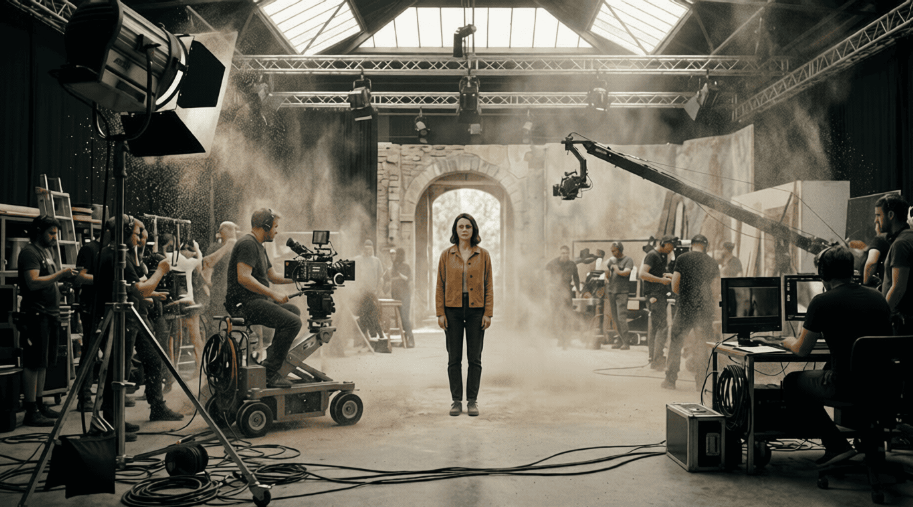
Production of video is always about co-ordination. Scripts, visuals, sound, editing, and effects all come together through a series of steps. Each step is often dependent on a different software, which means that you spend more time shifting, adjusting, or aligning outputs.
That structure has worked for years; however, it does come with sacrifices. The more tools you use and the greater amount of effort is required to keep things in line.
A new way of working is beginning to reshape that process. Instead of dividing production into stages, everything can now happen within a single, connected workflow. At the center of this shift is Seedance 2.0, which brings multiple parts of video creation together into one experience.
From Fragmented Steps to a Unified Process
Traditional workflows are built around separation. Writing happens first, then visual creation, then editing, followed by audio integration. Each stage depends on the previous one, and small misalignments can carry through the entire process.
Seedance 2.0 approaches this differently. It accepts text, images, video, and audio as inputs, up to 12 assets in a single generation. Instead of assembling a project piece by piece, creators can generate a cohesive output that already includes these elements working together.
Within Higgsfield, this becomes part of a more direct workflow. Creators can shape their content in one place, without needing to move between tools or formats.
This shift reflects a growing focus on ROI + efficiency, where reducing steps leads to better use of time and resources.
Multi-Shot Video Without Manual Assembly
Making a sequence of connected scenes traditionally requires the editing of timelines and clips, aligning them and ensuring that there is continuity between the clips. Even the simplest projects can be complex when there are multiple scenes involved.
Seedance 2.0 simplifies this by creating multi-shot narratives that have constant characters in every scene. Each shot can run to up to 15 seconds and these can be joined to form longer sequences.
Higgsfield assists in this by providing the space where these sequences can be edited and expanded. Instead of the assembly of clips, the creators can concentrate on creating the narrative.
This affects how video is made. The process shifts from the assembly of pieces to creating an uninterrupted stream.
Audio and Visual Integration in One Pass
Audio has often been treated as a separate layer in video production. Dialogue, music, and sound effects are typically added after visuals are completed, which can create extra work during editing.
Seedance 2.0 integrates audio and video generation in a single pass. Dialogue is synchronized with lip movement, and sound elements align with the pacing of the visuals.
Higgsfield allows creators to guide how these elements interact, making it easier to maintain a cohesive structure. This reduces the need for additional adjustments later.
When audio and visuals are created together, the result feels more natural and complete.
Cinematic Output Without Technical Barriers
Achieving a cinematic look has traditionally required experience with camera work, lighting, and editing techniques. These elements play a major role in how a video is perceived.
Seedance 2.0 introduces control over camera movement, lighting, and shadow within the generation process. Creators can guide these elements without needing advanced technical skills.
Higgsfield provides the environment where these controls can be applied effectively. Advanced users can fine-tune camera angles and transitions, while others can achieve polished results without prior experience.
For those interested in how cinematic techniques influence video quality, this guide on cinematic lighting techniques explores how lighting shapes visual storytelling.
From Raw Assets to Ready-to-Use Content
Many workflows begin with basic assets such as product images, short clips, or written ideas. Turning these into complete videos usually requires multiple stages.
Seedance 2.0 allows creators to combine these inputs directly into a finished output. Campaign-ready promotional videos and social media content can be generated without building each element separately.
Higgsfield supports this process by enabling creators to refine and adapt their output within a single environment. This reduces the time between concept and execution.
For teams working on campaigns, this creates a more efficient path to producing content that is ready to use.
Motion, Action, and Effects in a Single Flow
Dynamic scenes often require multiple layers of production. Motion, action, and visual effects are typically handled separately and then combined during editing.
Seedance 2.0 brings these elements together within the same generation process. It supports realistic collision physics, slow-motion effects, and action sequences that feel connected to the overall scene.
Higgsfield allows creators to guide these elements while maintaining consistency across the sequence. This makes it easier to produce engaging content without breaking the workflow into separate steps.
The result is a more fluid creative process where everything develops together.
A More Direct Path From Idea to Output
One of the biggest advantages of a unified workflow is the ability to move quickly from concept to finished content. Each additional step in a process introduces time and complexity.
Seedance 2.0 reduces these steps by combining multiple aspects of production into one flow. Creators can move from prompt to output without switching between tools.
Higgsfield plays a key role by providing a workspace where these capabilities come together. Instead of managing separate stages, creators can focus on shaping their content.
This leads to a more efficient process where ideas are translated into finished videos with fewer interruptions.
Conclusion
Video production is moving toward a more integrated approach. The need to manage multiple tools is gradually being replaced by workflows that handle several aspects of creation at once.
Seedance 2.0 represents this shift by combining multimodal inputs, multi-shot storytelling, and synchronized audio and visuals into a single process. It changes how video is created from the ground up.
Higgsfield makes this approach practical by providing an environment where creators can guide and refine their work without breaking their flow.
The result is a simpler, more efficient way to produce video, where the focus shifts from managing tools to creating content that works from the start.