Gaming in Pakistan has changed quickly over the past decade. What once centred on local gaming cafés, shared consoles and long sessions of FIFA or Counter Strike now includes mobile tournaments, livestreams, university societies and competitive teams trying to build a name online.
The growth has not followed one single path. Mobile games have brought in a large audience because they do not require an expensive computer or console. At the same time, PC gaming remains important for people interested in competitive shooters, strategy games and online multiplayer titles.
This mix gives Pakistan’s gaming scene a character of its own. A player may compete in a mobile tournament from home, watch international esports streams on their phone and still spend weekends at a café with friends playing football games or fighting games.
Mobile gaming changed who could take part
Smartphones made gaming more accessible for a wide range of players. A console can be expensive, and a high performance computer requires regular upgrades. A mobile game, by comparison, can be downloaded quickly and played almost anywhere with a reliable connection.
Games such as PUBG Mobile, Free Fire and Call of Duty Mobile helped turn competitive gaming into something visible outside traditional gaming circles. Players formed teams with friends, followed streamers and started taking local competitions seriously.
The appeal is not only about convenience. Mobile games are often social. Friends can form a squad, play a few matches after work or school and stay in contact through voice chat. A player does not need a dedicated gaming room or a specialist setup to join in.
That accessibility has helped younger players find an audience. It has also given organisers a larger pool of competitors for small tournaments, online events and community competitions.
Gaming cafés still have a place
Despite the growth of mobile gaming, cafés remain an important part of the culture. They give players access to equipment they may not have at home, but they also offer something more difficult to recreate online.
A gaming café is a social space. Friends sit beside each other, react to the same match and argue over small moments that would feel less memorable through a headset. Local rivalries can develop quickly, especially when the same players meet week after week.
Football games remain popular in these spaces because they are easy to understand and easy to turn into a short competition. Fighting games work for similar reasons. A match can begin within minutes, everyone in the room can follow what is happening and a strong player can quickly build a reputation.
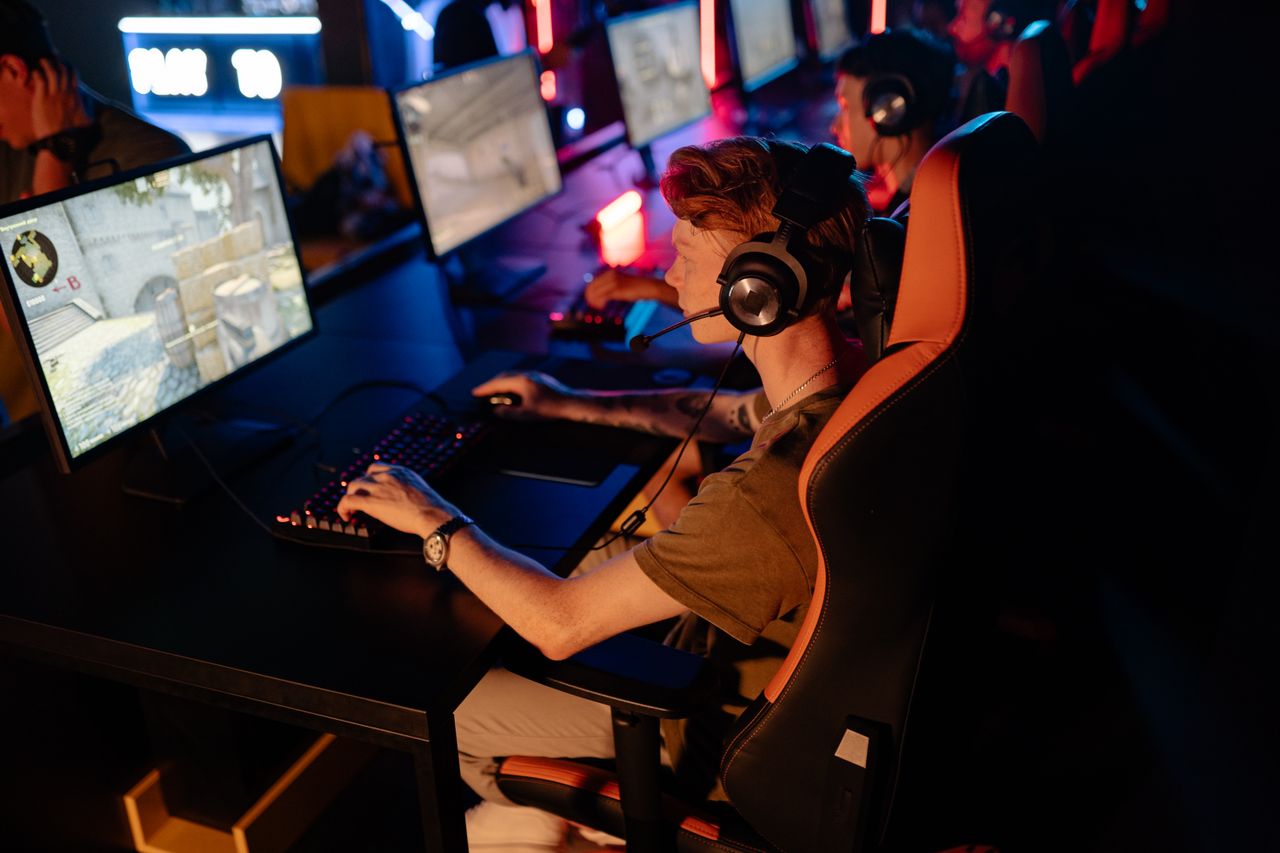
PC games add another level of competition. Counter Strike has long attracted groups who enjoy team play, map knowledge and tactical communication. The best sessions are rarely silent. Every round has advice, complaints and celebrations coming from somewhere in the room.
Esports gives players a reason to improve
Esports has helped move gaming beyond casual competition. Players now watch professional teams, study tactics and practise specific skills with the aim of becoming better rather than simply playing more.
That does not mean every player wants a professional career. For many people, competitive gaming provides structure. They join a team, set regular practice times and learn how to communicate under pressure. A game becomes a shared project rather than an individual hobby.
Streamers have also played a part. Watching someone play live can be entertaining, but it can also help newer players learn. They see how experienced competitors manage difficult situations, choose their equipment and react when a match begins to go badly.
The audience for gaming content has grown alongside the players. Short clips, live streams and tournament highlights travel quickly across social media, making it easier for local talent to reach people outside their immediate area.
A growing scene needs stronger support
Pakistan has plenty of gaming talent, but the scene still faces practical challenges. Reliable internet access, suitable equipment and access to organised events can vary widely. Players outside larger cities may find it harder to meet teammates, join regular competitions or use high quality gaming setups.
There is also a need for more consistent pathways. A talented player may know how to improve at a game, but not know where to find a team, enter a tournament or speak to an organiser. University clubs, local communities and independent event organisers can help close that gap.
For people returning to visit family on cheap flights to Pakistan, the change can be noticeable. Gaming no longer sits quietly in the corner as something only a small group of enthusiasts follow. It has become part of everyday entertainment for many young people, with its own communities, personalities and ambitions.
The next step is about community
The future of gaming in Pakistan will not depend only on one major tournament or one successful team. It will depend on smaller communities having the space to grow.
That may mean more local events, better support for university players, safer online spaces and clearer routes for people who want to compete. It may also mean recognising that gaming does not have to lead to a professional career to be worthwhile.
For many players, the value comes from friendship, competition and the chance to be part of something shared. A difficult match can become a story that lasts for weeks. A local tournament can give a new player confidence. A gaming café can become the place where a group of friends meet every weekend.
Pakistan’s gaming scene still has work to do, but it already has the most important part in place. People want to play, compete and build communities around the games they enjoy.
READ ALSO: Safety Tips Every Young Athlete Should Know Before Every Game