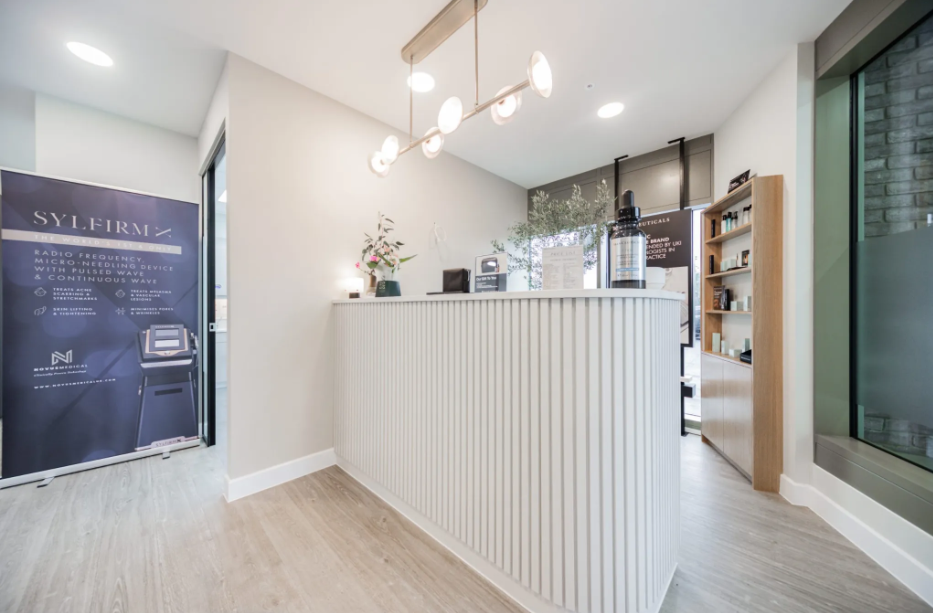
Opening a new dental clinic is an exciting milestone, but it also comes with important decisions that influence its long-term success. From selecting the right premises to planning patient flow and investing in suitable equipment, every stage requires careful consideration. A well-planned clinic creates a positive experience for both patients and staff while supporting efficient day-to-day operations. Understanding the essentials of squat dental practice planning helps reduce costly mistakes and provides a solid foundation for sustainable growth from the very beginning.
What Is a Squat Dental Practice?
A squat dental practice is a brand-new clinic established from the ground up rather than purchasing or taking over an existing practice. Everything, from the building layout and equipment selection to branding and patient acquisition, is created specifically for the new business.
This approach offers complete flexibility, allowing practice owners to develop a clinic that reflects their vision and supports modern methods of patient care. Although it often requires greater planning and investment initially, it provides the opportunity to build a practice without inheriting outdated facilities or operational challenges.
What Every New Practice Needs Before Opening
Launching a successful dental practice requires careful planning before the first patient walks through the door.
Some of the most important steps include:
- Choosing a suitable location with good visibility and accessibility.
- Developing a realistic business plan and financial budget.
- Understanding regulatory and compliance requirements.
- Designing an efficient surgery layout and patient journey.
- Selecting modern dental equipment and technology.
- Recruiting qualified clinical and administrative staff.
- Creating a marketing strategy to attract new patients before opening.
Each of these elements contributes to the long-term success of the practice. Investing time in planning during the early stages often prevents delays and unnecessary costs later.
Finding the Right Location for Long-Term Success
Location plays a significant role in the success of any new dental practice. Areas with strong residential communities, growing populations and convenient transport links often provide greater opportunities for attracting patients.
The premises should also allow enough space for treatment rooms, reception areas, staff facilities and future expansion where possible. Accessibility is equally important, ensuring patients of all ages can visit the practice comfortably.
Before committing to a property, it is worth assessing local competition, nearby healthcare providers and parking availability. These factors can influence patient convenience and contribute to long-term business growth.
Creating a Practice That Works for Patients and Staff
A successful dental clinic is not only visually appealing but also designed to improve efficiency. Every space should support smooth movement for patients and staff while maintaining high standards of hygiene and comfort.
Reception areas should feel welcoming and organised, treatment rooms should allow clinicians to work efficiently, and support areas should help streamline everyday operations. Careful planning can also improve infection control, reduce unnecessary movement and create a more pleasant working environment for the entire dental team.
A thoughtfully designed practice often leads to better patient experiences while supporting productivity throughout the day.
Why Good Design Matters From Day One
Good practice design is about much more than appearance. It influences workflow, patient confidence and the ability to adapt as the practice grows.
Key benefits of investing in professional design include:
- Creating a welcoming first impression for new patients.
- Improving staff efficiency through better layouts.
- Supporting compliance with healthcare requirements.
- Making treatment rooms more functional and comfortable.
- Allowing space for future equipment upgrades.
- Building a professional brand image from the outset.
Working with specialists experienced in squat dental practice design helps ensure every area is planned with both functionality and patient experience in mind. Companies such as Divoi Interior Design understand the unique requirements of dental clinics and can create spaces that support efficient workflows while reflecting the practice’s professional identity.
Technology and Equipment That Support Modern Dental Practices
Modern technology plays an important role in creating an efficient and patient-focused dental practice. Investing in equipment such as digital imaging systems, intraoral scanners, ergonomic dental chairs and reliable practice management software helps improve diagnosis, streamline workflows and enhance the overall patient experience.
Choosing high-quality technology from the beginning also supports the long-term growth of the practice. Equipment that can be upgraded as new innovations become available allows the clinic to remain efficient, adapt to changing patient needs and continue delivering high standards of care for years to come.
Common Challenges and How to Overcome Them
Every new dental practice faces challenges during the setup process, but careful planning makes them easier to manage. Understanding these obstacles early allows practice owners to make informed decisions and avoid unnecessary setbacks.
Managing Costs and Meeting Compliance
Budget control is often one of the biggest concerns when setting up a new practice. Prioritising essential investments while setting aside contingency funds helps keep the project on track. At the same time, understanding regulatory and compliance requirements from the outset can prevent delays and ensure the practice is ready to operate smoothly.
Attracting Patients After Opening
Building a patient base takes time, making an effective marketing strategy essential from day one. Developing a strong online presence, encouraging patient reviews and engaging with the local community can help increase visibility and establish trust during the early stages of the practice.
By preparing for these challenges before opening, practice owners place themselves in a stronger position for sustainable growth and long-term success.
Frequently Asked Questions
How long does it take to set up a squat dental practice?
The timeline varies depending on property selection, planning, design, regulatory approvals and equipment installation. Many projects take several months from initial planning to opening.
What is the biggest challenge when opening a new dental practice?
Managing budgets, meeting compliance requirements and attracting patients are among the most common challenges. Careful planning and professional support can help overcome these obstacles.
Why is practice design important?
An efficient layout improves workflow, enhances the patient experience and creates a comfortable environment for both staff and visitors. It also allows the practice to adapt more easily as it grows.
Conclusion
Setting up a new dental clinic requires careful planning, informed decision-making and a clear long-term vision. From choosing the right location and designing efficient treatment spaces to investing in quality equipment and building a strong patient experience, every decision contributes to the future success of the practice. With the right preparation and professional guidance, creating a modern dental clinic becomes a far more manageable process. Divo Interiors LTD supports dental professionals by designing practical, welcoming and future-ready clinical environments that help practices thrive from day one.
Author Bio: UV Jadeja
UV Jadeja, the head honcho at Divo Interiors Ltd in London, has spent a significant number of years in the commercial fit-out and refurbishment industry, specialising in dental practices. Under his leadership, the company has designed and renovated clinics of some of the most well-known dental practices in the country. He often shares his insights & extensive industry knowledge with the general public through engaging blog posts.