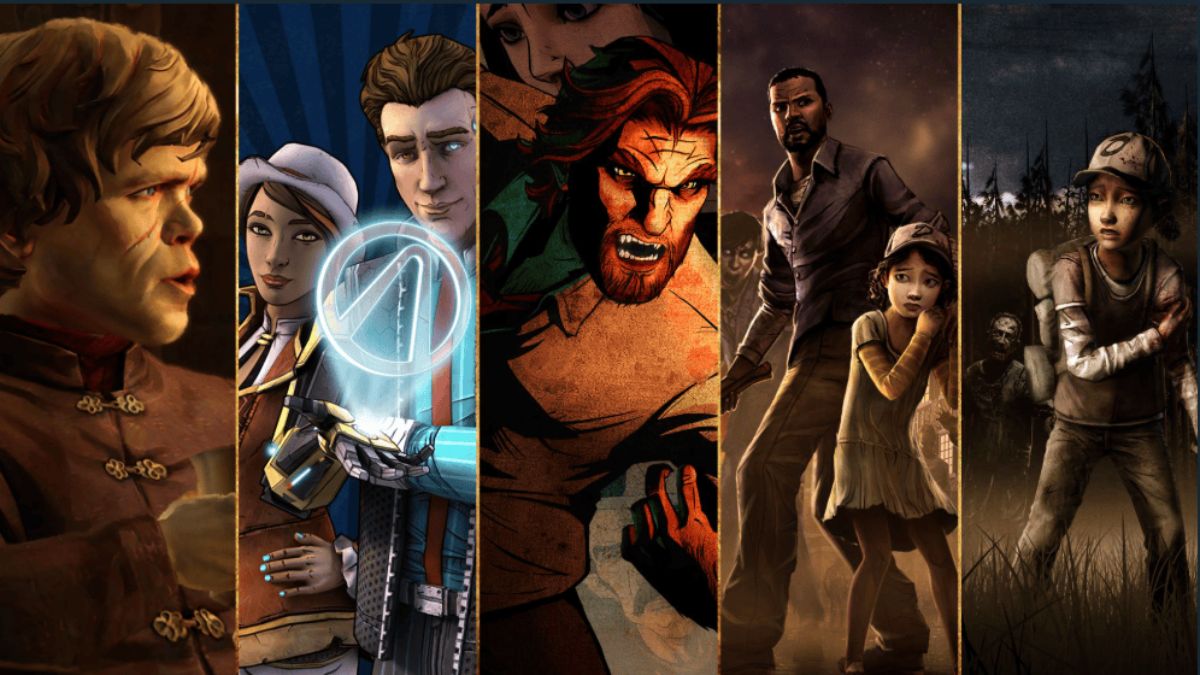
A player should not need to read long explanations just to understand a game world. Good visual storytelling can do much of that work through the screen itself. The layout, colour choices, and small background details can all help players make sense of what is happening.
That is why visuals do more than make a game look good. They can guide movement, explain the setting, and make each area feel connected. When those details work together, the game becomes easier to follow and more satisfying to play.
Strong Visual Identity Makes Discovery Easier
A game needs a recognisable look before it can earn deeper attention. This is why colour systems, silhouettes, and camera language carry commercial weight. In crowded storefronts, visual identity works like instant positioning.
The same principle also applies to online casino games, where each format depends on visual cues to feel clear from the start. For instance, card games often use clean tables, sharp suits, and uncluttered layouts so players can read the screen quickly. In contrast, themed slots use bold symbols, detailed settings, and animation to help each title stand out without needing much explanation. Players may explore Mo Mummy Valley Of Riches, among other popular themed slots, to see how a strong visual identity can catch attention quickly.
Roulette, meanwhile, shows how familiar design can still be refined. Since the wheel and table layout are already recognisable, the digital version has to focus on clarity, spacing, and polish. Taken together, these examples show that visual identity is not just about making a game look attractive, since it helps each format communicate what it is before deeper play begins.
Environmental Details Carry the Story Load
Modern games often let spaces explain what text would slow down. A damaged corridor, reused object, or blocked route can suggest what happened before the player arrived. This keeps the experience moving while still giving players useful context.
This approach works because the setting becomes part of the storytelling. Lighting can draw attention to a key area, while props can indicate how a space was used. Layout also matters because it can make a room feel abandoned, controlled, or recently changed.
It also supports better pacing. Instead of relying on long cut scenes, designers can layer information through the world itself. The result is a cleaner flow because the setting teaches while the player keeps moving.
Interface Design Is Part of the Narrative
Interface design is no longer just a menu problem. It shapes how the game communicates status, risk, and progress. A strong interface keeps the player informed without breaking the world’s visual logic.
The 2026 GDC report showed that Unreal Engine and Unity remain major production tools. That matters because pipelines now support more integrated interface work across different project sizes. Good design teams use that flexibility to make menus feel native to the setting. The best interface design does not sit on top of the game, since it feels built into its grammar.
Visual Cues Reduce Friction
Visual storytelling also helps players understand what matters on screen. Shape, contrast, and movement can point attention without blunt instruction. That becomes vital in games with dense systems and fast scene changes.
This is where experienced design teams gain an edge. They can guide the eye before confusion sets in, making the screen easier to read. A glowing object, wider path, or stronger colour contrast can highlight the next key detail without disrupting the flow.
Clean visual hierarchy also supports smoother onboarding. Players can learn what to notice through repeated visual patterns instead of constant prompts. That makes the experience feel more natural because the game teaches through design rather than interruption.
Cohesive Art Direction Protects Long-Term Value
A game with a clear visual style is easier to grow over time. When new characters, locations, or features are added, they need to look like they belong in the same world. If the style changes too much, the game can start to feel uneven or messy.
This is why art direction matters beyond first impressions. It creates a visual pattern that each new update can follow, from colours to the way menus and spaces are designed. For general players, this simply means the game feels familiar even when new elements are added.
That consistency becomes more important when games keep adding content after launch. Newzoo’s 2025 report highlighted post-launch content as a major focus for keeping players engaged, which shows how much modern games depend on updates. Visual storytelling supports that model because every update still needs to feel connected to the original game, not like a separate piece added later.
The Screen Tells the First Truth
Visual storytelling gives digital games a stronger sense of direction. It helps players read the world, follow the action, and understand what matters without too much explanation. That kind of design keeps the experience focused because the screen is already doing part of the work. Each visual detail has a role, from guiding attention to making one area connect smoothly with the next. When those details follow the same logic, the game feels clearer and more carefully built.