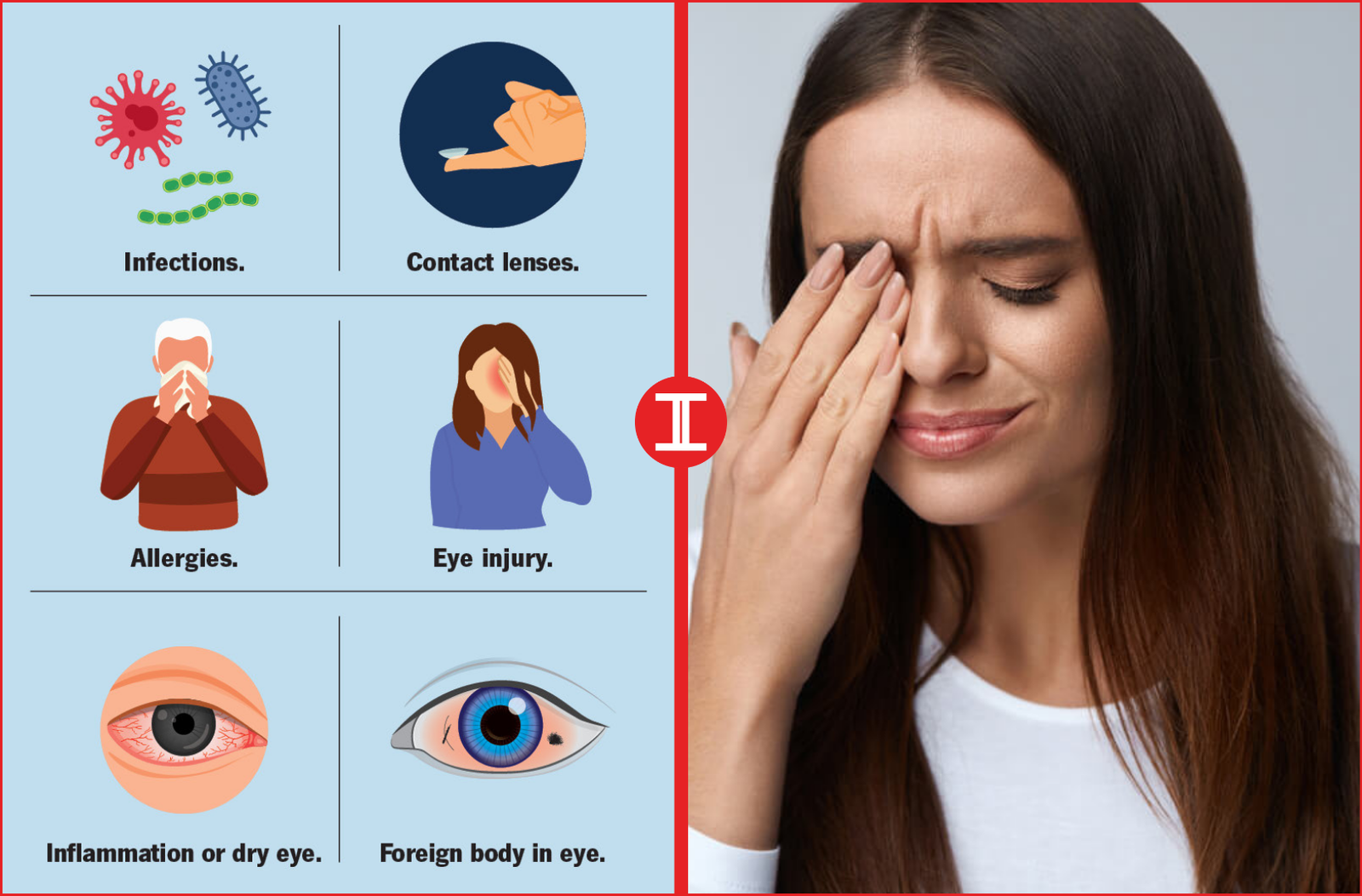
Pain behind the eye can feel worrying, especially when it comes suddenly or happens with headache, pressure, blurry vision, or sensitivity to light. For some people, it feels like a deep ache inside the eye socket. For others, it feels like pressure building behind one eye, a sharp stabbing pain, or a heavy feeling around the forehead and temple.
This type of pain is not a disease by itself. It is a symptom. It can come from something simple, such as tired eyes after long screen use, or from something that needs medical attention, such as inflammation, infection, glaucoma, or a problem with the optic nerve. The important thing is to understand the pattern of pain, the symptoms that come with it, and when it is safer to see a doctor instead of waiting.
Quick Bio Table
| Box | Detail |
|---|---|
| Medical Category | Eye symptom / headache-related symptom |
| Common Meaning | Deep pain, pressure, or discomfort felt behind one or both eyes |
| Common Simple Causes | Eye strain, migraine, dry eye, sinus pressure |
| Possible Serious Causes | Glaucoma, optic neuritis, uveitis, scleritis, infection, injury |
| Main Symptoms | Eye pressure, headache, redness, blurry vision, light sensitivity, nausea |
| Affected Age Group | Can affect children, adults, and older adults |
| Risk Factors | Screen use, contact lenses, sinus problems, migraine history, eye disease |
| Home Care Options | Rest, artificial tears, cool compress, screen breaks, hydration |
| Warning Signs | Severe pain, vision loss, halos, vomiting, swelling, very red eye |
| Best Doctor to See | Ophthalmologist, optometrist, or primary care doctor depending on severity |
| Emergency Level | Urgent if pain is sudden, severe, or linked with vision changes |
| Main Goal | Find the cause early and protect vision |
What It Means
Pain behind the eye usually means discomfort that feels deep, as if it is coming from inside the head or eye socket rather than from the surface of the eye. It may affect one eye or both eyes. It may happen alone, or it may come with a headache, sinus pressure, nausea, redness, watery eyes, or changes in vision.
A mild, tired feeling behind both eyes after using a laptop all day is often different from sudden severe pain behind one eye with blurry vision. That is why location alone is not enough. Doctors also look at how the pain started, how strong it is, whether the eye is red, whether vision has changed, and whether the pain gets worse with eye movement.
Why It Happens
The eye is connected to many sensitive structures, including nerves, muscles, blood vessels, sinuses, and the brain’s pain pathways. Because of this, pain behind the eye may not always begin in the eye itself. A migraine, sinus infection, dental issue, or cluster headache can also feel like eye pain.
At the same time, true eye conditions can also cause deep pain. Inflammation inside the eye, optic nerve inflammation, corneal problems, or sudden pressure changes inside the eye can all create pain that feels serious and difficult to ignore. This is why repeated, severe, or unusual eye pain should not be dismissed.
Eye Strain
Eye strain is one of the most common causes of pain or pressure behind the eyes. It often happens after long periods of screen use, reading, driving, gaming, or focusing on close work without enough breaks.
People with eye strain may feel tiredness, heaviness, dryness, burning, or pressure around the eyes. Headache is also common. The pain is usually worse at the end of the day and may improve after rest, sleep, or reducing screen time.
Eye strain can also happen when someone needs glasses or is wearing the wrong prescription. In that case, the eyes and brain work harder to focus, which may lead to discomfort behind the eyes. If this happens often, an eye exam can help.
Migraine
Migraine is another common reason for pain behind one eye. Headache pain can be throbbing, pulsing, or deep. It may affect one side of the head and may feel strongest behind the eye or around the temple.
Migraine may come with nausea, vomiting, sensitivity to light, sensitivity to sound, or visual symptoms such as flashing lights or blind spots. Some people feel pressure behind the eye before the headache becomes stronger.
Not every headache behind the eye is migraine, but migraine is a common explanation when the pain is recurring and follows a familiar pattern. A doctor can help if headaches are new, changing, severe, or affecting daily life.
Sinus Pressure
Sinus pressure can make the area behind the eyes feel heavy or painful. This usually happens when the sinuses become inflamed because of a cold, allergy, or sinus infection.
The pain may be felt around the forehead, nose, cheeks, and behind the eyes. It may become worse when bending forward. Other symptoms can include blocked nose, thick nasal discharge, facial pressure, reduced smell, cough, or fever.
Sinus-related pain often feels like pressure rather than sharp eye pain. However, if eye swelling, severe pain, vision changes, or high fever appear, medical attention is important because infection around the eye area can become serious.
Dry Eye
Dry eye can cause burning, stinging, gritty feelings, watery eyes, and sometimes pain around or behind the eyes. It may sound strange, but watery eyes can happen because the eyes are irritated and overproduce tears.
Dry eye is common in people who use screens for long hours, wear contact lenses, work in air-conditioned rooms, or spend time in wind, dust, or smoke. It can also be linked to aging, certain medicines, and some health conditions.
Mild dry eye may improve with artificial tears, more blinking, better screen habits, and avoiding direct air from fans or AC. If dryness is persistent, painful, or causing blurred vision, an eye specialist can check for inflammation or other causes.
Cluster Headache
Cluster headache can cause very severe pain around or behind one eye. The pain is usually on one side and can feel sharp, burning, or piercing. It often comes in attacks that last from minutes to a few hours.
During an attack, the eye on the painful side may become red, watery, or swollen. The nose may run or become blocked on the same side. Some people feel restless and cannot sit still during the pain.
Cluster headache is less common than migraine, but the pain can be intense. Anyone with repeated severe one-sided eye pain should speak with a doctor, especially if the pattern is new.
Optic Neuritis
Optic neuritis means inflammation of the optic nerve, the nerve that carries visual information from the eye to the brain. It can cause pain behind the eye, especially when moving the eye.
Other signs may include blurry vision, dim vision, loss of color brightness, or partial vision loss. This condition needs medical evaluation because it may be linked with autoimmune or neurological conditions.
Pain with eye movement and vision changes should be treated seriously. It is not the same as ordinary tired eyes.
Eye Inflammation
Inflammation inside or around the eye can cause deep pain. Conditions such as uveitis, iritis, and scleritis may create pain that feels strong, aching, or boring. The eye may become red and sensitive to light.
Uveitis and iritis can cause blurry vision and light sensitivity. Scleritis can cause severe deep pain and may be associated with autoimmune disease. These conditions usually need prescription treatment from an eye doctor.
A red, painful eye with light sensitivity is a warning sign. It should not be treated casually with random eye drops.
Glaucoma
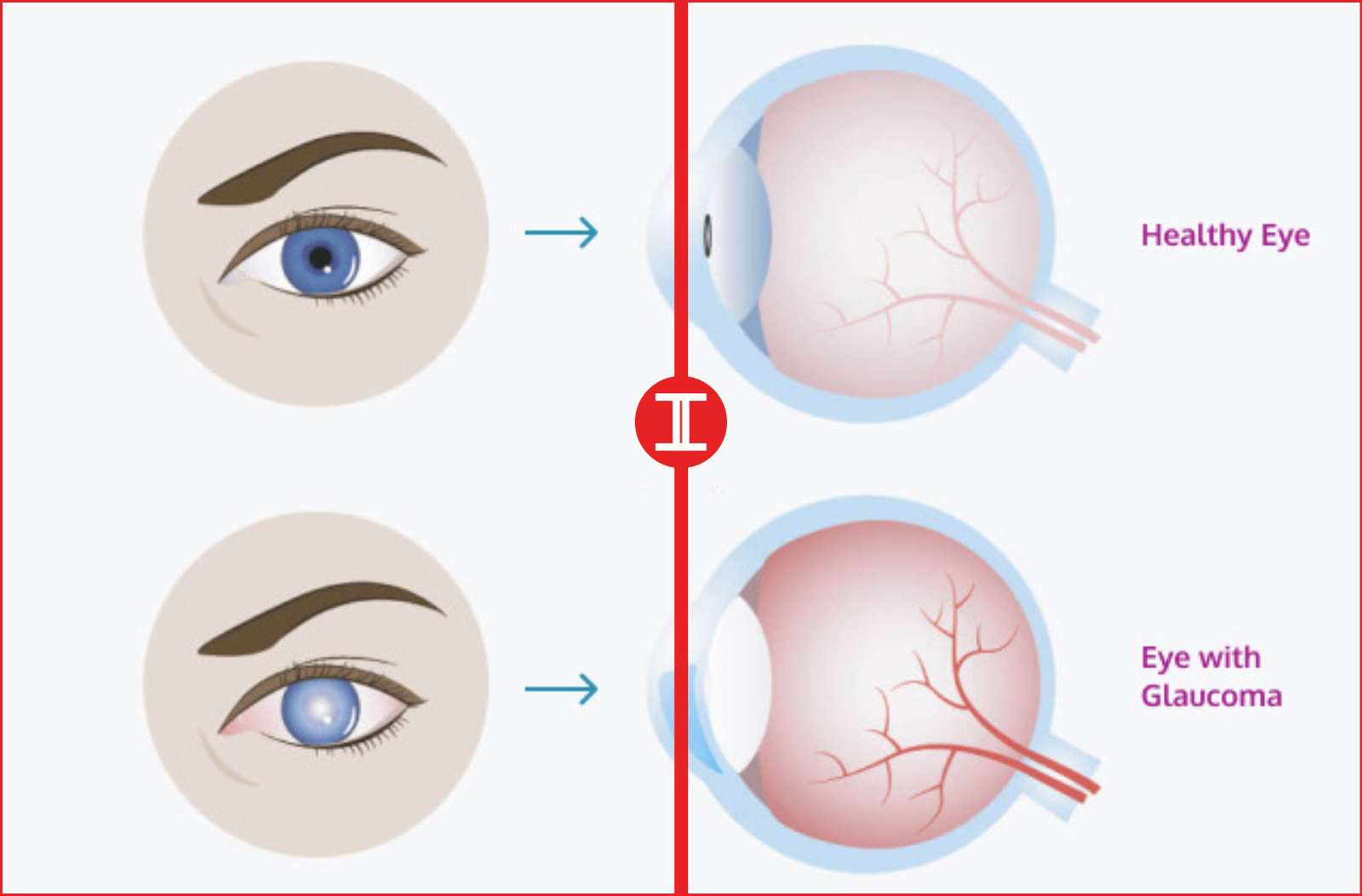
Glaucoma is a group of eye conditions that can damage the optic nerve. One urgent type, called acute angle-closure glaucoma, can cause sudden severe eye pain.
Symptoms may include headache, blurry vision, halos around lights, nausea, vomiting, and a red eye. This is an emergency because high eye pressure can damage vision quickly.
Not all glaucoma causes pain. Many forms are silent at first, which is why regular eye exams matter. But sudden eye pain with halos and vomiting should be checked urgently.
Contact Lens Problems
Contact lenses can cause pain behind or around the eye if they irritate the surface, dry the eye, or lead to infection. Wearing lenses too long, sleeping in lenses, poor cleaning habits, or using old lenses can increase risk.
If pain starts while wearing contact lenses, remove them. Do not put them back in if the eye remains painful, red, watery, or light-sensitive. Contact lens-related infections can become serious and need quick treatment.
People who wear contact lenses should take eye pain more seriously than usual, especially if there is redness or blurred vision.
Warning Signs
Some symptoms mean pain behind the eye may need urgent medical care. These include sudden vision loss, blurry vision, severe pain, very red eye, eye swelling, fever, vomiting, halos around lights, double vision, or pain after injury.
Pain with sensitivity to light can also be important. So can pain that gets worse with eye movement, especially when vision changes happen at the same time.
A person should also seek care if pain does not improve after a few days, keeps returning, or feels different from previous headaches or eye strain.
When to See a Doctor
See a doctor or eye specialist if the pain is moderate to severe, keeps coming back, affects one eye strongly, or is connected with vision changes. It is also wise to seek help if the pain is new and unexplained.
Get urgent medical help if the pain is severe, the eye is very red, vision is reduced, you see halos around lights, you feel nausea or vomiting, or the pain follows an injury or chemical exposure.
For children, older adults, people with diabetes, people with weak immune systems, and contact lens users, it is better to be cautious. Eye problems can progress quickly in some cases.
How Doctors Check It
A doctor may ask when the pain started, where it is felt, how strong it is, and whether anything makes it better or worse. They may ask about headaches, sinus symptoms, allergies, glasses, contact lenses, medicines, injuries, and medical history.
An eye exam may include checking vision, eye pressure, pupils, eye movement, the front surface of the eye, and the back of the eye. Sometimes special drops, imaging, blood tests, or referral to a neurologist may be needed.
The goal is not only to reduce pain but to find the cause and protect vision.
Treatment Options
Treatment depends on the cause. Eye strain may improve with rest, correct glasses, better lighting, artificial tears, and screen breaks. Dry eye may need lubricating drops, lid care, lifestyle changes, or prescription treatment.
Migraine may need headache treatment, trigger management, sleep routine improvement, hydration, and sometimes migraine-specific medicine. Sinus-related pain may improve when allergies, congestion, or infection are treated properly.
Inflammation, infection, optic nerve problems, and glaucoma need medical care. These conditions may require prescription eye drops, oral medicine, urgent pressure-lowering treatment, or specialist management.
What You Can Do at Home
For mild pain without warning signs, rest your eyes and reduce screen time. A cool compress over closed eyelids may help discomfort. Artificial tears can help if the eyes feel dry or gritty.
Good lighting, regular breaks, and proper screen distance can reduce eye strain. The 20-20-20 rule is useful: every 20 minutes, look at something about 20 feet away for 20 seconds.
Avoid rubbing the eye. Do not use steroid eye drops or leftover antibiotic drops without medical advice. The wrong drops can make some eye conditions worse.
Prevention
Prevention starts with healthy eye habits. Take breaks during screen work, blink often, keep screens at a comfortable distance, and use the correct glasses prescription.
Contact lens users should follow cleaning instructions, avoid sleeping in lenses unless approved, replace lenses on schedule, and never use water to clean lenses. Protective eyewear is important during work, sports, or any activity where an object or chemical could enter the eye.
Regular eye exams are also important, especially for people with diabetes, high blood pressure, family history of glaucoma, frequent headaches, or repeated eye pain.
PEOPLE ALSO READ : What Does MH Mean in Text? Meaning, Uses, and Simple Examples
Pain behind the eye should be understood, not ignored. Many cases are related to eye strain, migraine, sinus pressure, or dryness, and these often improve with proper care. However, deep eye pain can sometimes point to inflammation, nerve problems, infection, or pressure changes inside the eye.
The safest approach is to look at the whole picture. Mild pain after screen use may simply need rest and better eye habits. Severe pain, vision changes, a very red eye, halos around lights, vomiting, or pain after injury needs medical attention quickly.
Your eyes are sensitive, and vision is precious. When pain behind the eye feels unusual, strong, or connected with changes in sight, it is always better to get checked early.
Frequently Asked Questions
What does pain behind the eye usually mean?
Pain behind the eye usually means deep discomfort around the eye socket. It may be linked to eye strain, migraine, sinus pressure, dry eye, or inflammation.
Can pain behind the eye be caused by migraine?
Yes. Migraine can cause throbbing or deep pain behind one eye, often with nausea, light sensitivity, or sound sensitivity.
When should I worry about pain behind the eye?
You should worry if the pain is severe, sudden, linked with vision changes, red eye, vomiting, halos around lights, swelling, or injury.
Can sinus pressure cause pain behind the eye?
Yes. Sinus pressure can cause heaviness or pain around the forehead, cheeks, nose, and behind the eyes, especially when bending forward.
Can screen use cause pain behind the eye?
Yes. Long screen use can cause eye strain, dryness, headache, and pressure behind the eyes, especially without regular breaks.