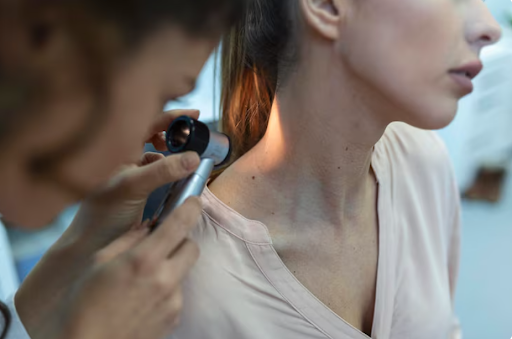
Moles are common and usually harmless, but changes in their appearance can sometimes signal a need for closer attention. Knowing what to look for helps you take a more proactive approach to your skin health without unnecessary worry.
Understanding when to monitor a mole and when to seek professional advice is an important step in maintaining overall wellbeing.
Recognizing What’s Normal
Most moles remain stable over time. They may vary in size, shape, or colour, but they typically do not change significantly.
Common characteristics of normal moles include:
- Even colour throughout
- Smooth and well-defined borders
- Stable size over time
- No discomfort or irritation
Becoming familiar with your skin helps you notice any unusual changes more quickly.
When Changes Should Raise Concern
While many moles are harmless, certain changes should not be ignored. These changes may develop gradually or appear more suddenly.
You should pay attention if a mole:
- Changes in size, shape, or colour
- Develops irregular or uneven borders
- Becomes itchy, painful, or sensitive
- Bleeds or forms a crust
If you’re asking yourself when should I worry about a mole, these signs are important indicators that it may be time to seek professional advice.
The Importance of Early Assessment
Early evaluation can help identify whether a mole is harmless or requires further attention. Waiting too long may lead to more complex concerns.
Seeking professional assessment allows for:
- Accurate diagnosis
- Peace of mind
- Early treatment if necessary
For those considering mole removal in Brighton, clinics often provide consultations to assess whether removal is recommended.
What to Expect During a Professional Check
A professional evaluation is usually straightforward and non-invasive. Specialists examine the mole closely and may ask about any changes you’ve noticed.
The process may include:
- Visual inspection of the mole
- Discussion of your medical history
- Recommendations for monitoring or removal
If needed, further steps are explained clearly so you can make informed decisions.
Understanding Removal Options
If a mole requires removal, modern techniques are designed to be safe and efficient. The goal is to remove the mole while minimizing discomfort and scarring.
After removal, proper care helps reduce the appearance of a leg mole removal scar and supports healing. Following aftercare instructions is essential for the best results.
Monitoring Your Skin Regularly
Regular self-checks are one of the simplest ways to stay aware of changes in your skin. This does not require special tools—just consistency.
Helpful habits include:
- Checking your skin monthly
- Noting any new or changing moles
- Taking photos to track changes over time
These steps make it easier to notice anything unusual early on.
Considering Overall Skin and Hair Health
Skin health is often connected to overall wellbeing. Visiting a Brighton hair loss clinic or skin specialist can provide a more complete approach to care.
Many clinics offer combined services, helping individuals address both scalp and skin concerns in one place.
Avoiding Unnecessary Stress
It’s important to remember that not every change indicates a serious issue. Many moles change slightly over time without becoming harmful.
The goal is not to create worry, but to stay informed and aware. Seeking professional advice when needed helps you make confident decisions without overthinking every detail.
Taking a Proactive Approach
Being proactive about your skin health allows you to respond to changes early and effectively. Whether it’s monitoring at home or seeking professional guidance, small steps can make a big difference.
By understanding when to act and exploring options like mole removal in Brighton, you can maintain confidence in your skin health and overall wellbeing.