Okay, so you’ve been down the rabbit hole for hours now, with fifteen browser tabs and three YouTube videos, and you still can’t decide. Been there. Nepal does this to people; it throws three insanely good options at you and expects you to just pick one like it’s easy. It’s not. The Everest Base Camp Trek, the Everest Base Camp Heli Tour, and the Manaslu Circuit Trek all sound incredible, and honestly, all three deliver, but they’re made for pretty different travelers and different kinds of trips.
Maybe you got two weeks off work and legs that can carry you far, maybe you got three days and a decent budget for a helicopter ride, or maybe you just want to disappear somewhere quiet where you won’t bump into fifty other trekkers on the trail. All valid. All different.
This guide’s going to walk you through what each one actually feels like, what it costs, how hard it really is (not the marketing version), what permits you need, the best season to go, and all of it. By the end, you’ll know which trail, or which chopper ride, has your name on it.
Why Nepal Is the Ultimate Destination for Mountain Adventures
Nepal’s basically got the whole Himalayan range running through its backyard; eight of the fourteen highest mountains on earth sit here, which still kind of blows my mind every time I think about it. You have UNESCO heritage sites scattered everywhere, ancient monasteries tucked into hillsides, and villages that haven’t changed much in a hundred years.
What separates trekking here from, say, hiking in Europe or the States is the culture that comes baked into every single day on the trail. You’re not just walking past scenery; you’re walking through Sherpa homeland, past prayer flags whipping in that thin mountain wind, and past stone chortens some family has been maintaining for generations. Then there’s the whole adventure tourism scene that’s grown up around it: scenic mountain flights, teahouse trekking, and deep Buddhist traditions still very much alive up there in those hills. It’s a lot, in the best way.
Everest Base Camp Trek Overview
What Makes Everest Base Camp Trek So Famous?
There’s a reason the Everest Base Camp Trek ends up on literally every bucket list article ever written, not just clickbait either. This trail actually takes you to the foot of the tallest mountain on the planet, through Namche Bazaar, past Tengboche Monastery, into air so thin you’ll feel every single step. Not the hardest trek out there, but it’s got a kind of legendary status that nothing else really touches.
Trek Duration
Most itineraries land somewhere around 12 to 14 days round trip starting from Lukla, though a lot of good operators stretch it out to 16 days just to build in extra acclimatization. Rushing it is a bad idea; learned that from people who tried.
Maximum Altitude
You’ll hit about 5,364m at Base Camp, and most people also tack on Kala Patthar at 5,545m because that’s where the actual postcard photo happens.
Difficulty Level
Moderate, no ropes or technical stuff needed. The altitude’s your real opponent here, not the trail itself.
Major Highlights
Namche Bazaar, Tengboche Monastery, Dingboche, Gorak Shep, and then standing right at the base of Everest, which honestly never gets old, no matter how many photos you’ve seen beforehand.
Who Should Choose This Trek?
Anyone reasonably fit who wants the full immersive Everest region deal, walking every step, sleeping in teahouses, earning that final view instead of just showing up to it.
Everest Base Camp Heli Tour Overview
What Is an Everest Base Camp Heli Tour?
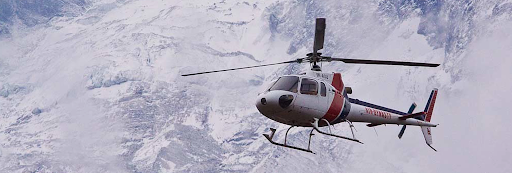
If two weeks of walking sounds rough on your schedule or your knees, the Everest Base Camp Heli Tour gets you basically the same jaw-dropping views but crammed into a single morning. You fly out from Kathmandu, land close to Everest, take it all in, and fly back, often before lunch even.
Typical Tour Duration
Usually just half a day. Some tours add a stop at Everest View Hotel or Kala Patthar, a breakfast with a view that probably costs more than your monthly rent.
Helicopter Landing Experience
This is the bit people never shut up about afterward, stepping off the chopper onto actual Himalayan snow with Everest just sitting there in front of you. “Surreal” doesn’t even cover it, really.
Scenic Mountain Views
You get this aerial angle most trekkers never see in their whole lives, with the entire Khumbu Glacier spread out, and Lhotse and Nuptse stacked up like dominoes waiting to fall.
Luxury Travel Experience
No teahouse floors, no seven days of walking uphill, no altitude headaches building for a week. Just comfort, speed, and mountains delivered right to your window.
Who Is This Tour Best For?
Travelers short on time, older folks, honeymooners, or basically anyone who wants Everest without putting their body through the physical grind of getting there on foot.
Manaslu Circuit Trek Overview
Introduction to the Manaslu Region
The Manaslu Circuit Trek is Nepal’s best-kept secret, at least for now. Give it a few more years, and that’ll probably change. Circling the eighth-highest mountain on the planet, this region feels way rawer and way less touristy compared to the Everest and Annapurna trails everyone’s heard of.
Trek Duration
Typically 14 to 18 days, depending on how many acclimatization days you build in and whether you tack on the Tsum Valley extension, which, honestly, a lot of trekkers do.
Maximum Elevation
Peeks out at Larke Pass, sitting around 5,160 m, one of the more dramatic passes anywhere in the Himalayas, if you ask me.
Larke Pass Crossing
This is the defining moment of the whole trek, a long, cold, early morning slog over the pass with Manaslu and Himlung Himal towering on both sides of you.
Remote Himalayan Experience
There are fewer trekkers out here, fewer lodges too, but way more authentic village life. You pass through Gurung- and Tibetan-influenced settlements that feel a world away from anything touristy.
Best Type of Travelers
Experienced trekkers who’ve already done a high-altitude trek before or adventurous beginners who don’t mind rougher trail conditions and less developed infrastructure along the way.
Everest Base Camp Trek vs Everest Base Camp Heli Tour vs Manaslu Circuit Trek
| Feature | Everest Base Camp Trek | Everest Base Camp Heli Tour | Manaslu Circuit Trek |
| Duration | 12–14 days | 1 day (half-day option) | 14–18 days |
| Difficulty | Moderate | Easy, no walking really | Moderate to Challenging |
| Maximum Altitude | 5,545m (Kala Patthar) | 5,364m (flyover/landing) | 5,160m (Larke Pass) |
| Cost | Mid-range | Higher per day, but shorter overall | Mid-range |
| Physical Fitness | Good fitness needed | Barely any needed | Good to strong fitness is needed |
| Accommodation | Teahouses and lodges | Hotel plus short mountain stop | Basic teahouses and lodges |
| Scenic Views | Excellent, ground level | Excellent, aerial | Excellent, remote |
| Adventure Level | High | Moderate | Very High |
| Luxury | Basic | High | Basic, kind of rustic |
| Cultural Experience | Rich, Sherpa villages | Pretty limited | Rich, Gurung, and Tibetan villages |
| Crowd Level | High in season | Low | Low |
| Best For | Trekkers wanting full immersion | Time-limited or less mobile travelers | Adventurous, experienced trekkers |
Which Adventure Offers the Best Himalayan Experience?
Honestly, it depends on what “best” even means for you. The walking experience on the Everest Base Camp Trek is unmatched if you want that slow build-up, watching the altitude climb and villages changing character bit by bit until suddenly you’re standing above 5,000 meters, staring at Everest with your own two tired legs that got you there.
The helicopter experience flips all that on its head. You skip the grind entirely and go straight for the payoff, and there’s really nothing like seeing the whole Khumbu range spread out under you through a chopper window. Not better, not worse, just a completely different flavor of the same awe.
Then there’s the remote trekking experience over on Manaslu, which might honestly be the most rewarding of the three if solitude and untouched trails are what you’re after. Way fewer people, wilder scenery, and this real sense you’re actually exploring rather than just following a trail fifty thousand other people walked before you.
Best Time to Visit
Spring
March through May works great for all three options. Rhododendrons are blooming everywhere; generally clear, this is peak season for both Everest routes and for good reason.
Autumn
September through November, probably the strongest window overall. Stable weather and killer visibility are ideal for both helicopter flights and pushing through high passes like Larke.
Winter
December to February is cold, especially once you get up high. Manaslu can get tricky with snow blocking Larkey Pass sometimes. Heli tours still run pretty reliably, though, weather-dependent, obviously.
Monsoon
June through August: rain, clouds, and leeches on the lower trails. If we’re being honest, not a great window for trekking at all. Heli tours can still work on the odd clear morning, but visibility’s a gamble at best.
Difficulty and Fitness Requirements
Beginners, the heli tour’s basically foolproof; no training is needed beyond being cool with heights and thinner air for a few hours. For moderate trekkers with decent stamina, the Everest Base Camp Trek is very doable as long as you respect your acclimatization days and don’t try to speed run the schedule.
Experienced trekkers after something tougher, both physically and mentally, should lean toward the Manaslu Circuit Trek. Altitude hits harder up at Larke Pass, trail conditions are rougher, and there’s less to fall back on if something goes sideways out there. Physical prep matters a ton here: cardio, stair climbing, a few loaded backpack practice hikes before you go—it all helps more than people expect.
Cost Comparison
These are rough figures here; prices shift depending on the season and which operator you book with.
The Everest Base Camp Trek usually runs somewhere between $1,200 and $1,800 for a standard package that covers permits, a guide, a porter, teahouse stays, and the domestic flights in and out of Lukla.
Everest Base Camp heli tours can range anywhere from $800 for a short flyover all the way up to $3,000 plus for a full landing tour with breakfast at Everest View Hotel thrown in; it’s a shorter trip, but the helicopter costs stack up fast.
The Manaslu Circuit Trek typically costs $1,300 to $2,000, a bit higher than the Everest Base Camp Trek in some cases because of the restricted area permit fees you have to pay.
Guide and porter costs are roughly similar across the board; honestly, it’s the transportation and permit fees where the real cost gaps show up.
Permits Required
The Everest region needs a Sagarmatha National Park entry permit plus the Khumbu Pasang Lhamu Rural Municipality permit; no TIMS card is needed anymore since local permits took over that job a while back.
Manaslu Circuit Trek is a restricted area, though, so you’ll need the Manaslu Restricted Area Permit, often called MCAP, along with the Annapurna Conservation Area Permit since the trail dips into that region near the end. A licensed guide is mandatory for this one, and honestly, you’d want one regardless, given how remote it gets out there.
Accommodation and Food
Teahouses across both the Everest and Manaslu regions offer pretty similar basics: a simple bed, a shared bathroom in most places, dal bhat for dinner (you genuinely never get sick of it, I promise), and blankets that may or may not be enough depending on what season you picked.
Drinking water’s usually boiled or treated on the trail; Wi-Fi’s available in most Everest region lodges for a small fee, though Manaslu can get spotty fast once you’re a few days in. Charging your phone or camera nearly always costs a bit extra, and heating’s typically just a wood stove sitting in the dining area, so bring a proper sleeping bag no matter which trek you end up choosing.
Mountain Views You Can Expect
Everest side, you’re looking at Everest itself, Lhotse, Nuptse, plus that unmistakable fishtail-shaped peak of Ama Dablam. On the Manaslu side, it’s Manaslu, Himlung Himal, and Ganesh Himal dominating the skyline, with glimpses toward the Annapurna Range once the trail winds south near the end. The heli tour basically compresses that entire Everest lineup into a single aerial view, all in a fraction of the time it’d normally take.
Culture and Local Communities
Sherpa culture defines the Everest region top to bottom, with Tibetan Buddhist influence showing up in every monastery, every string of prayer flags, and every mani wall you walk past. Manaslu carries a similar spiritual weight, but through Gurung and Tibetan border communities instead, traditional villages that see way fewer outside visitors than you’d expect. Local hospitality on both routes is genuinely one of the best parts of the whole trip; people invite you in for tea like it’s just the most normal thing in the world, and honestly, it kind of is to them.
Safety Tips Before Your Adventure
Acclimatization isn’t optional; it doesn’t matter how fit you think you are going in. Build in rest days, drink way more water than feels necessary, and get travel insurance that actually covers high-altitude trekking and helicopter evacuation; don’t cheap out on that one. Pack proper layers and a decent sleeping bag, and don’t skip out on a qualified guide, especially for Manaslu, where the trail is remote, and rescue options are limited at best. Keep an eye on the weather every day, and take altitude sickness symptoms seriously the second they show up; don’t push through headaches hoping they’ll pass on their own.
Which Option Should You Choose?
Choose the Everest Base Camp Trek if you want that classic, full walking experience and time to actually soak in Sherpa culture along the way instead of rushing past it.
Choose the Everest Base Camp Heli Tour if you’re short on time, dealing with mobility issues, or just want the maximum payoff with minimum physical effort; there’s no shame in that at all.
Choose the Manaslu Circuit Trek if you’re craving something wilder and quieter and you’ve got the fitness and time for a bigger high-altitude challenge.
Conclusion
At the end of the day, there’s really no wrong pick between the Everest Base Camp Trek, the Everest Base Camp Heli Tour, and the Manaslu Circuit Trek, just the right one depending on where you’re at in life right now. Want the full, sweat-earned Everest experience, weeks of Sherpa villages, and views building up slowly? Go on a classic trek. Short on time, or just want maximum wow factor without the physical toll? The heli tour delivers that in hours instead of weeks. Craving something wilder and quieter, off the path most people take? Manaslu’s calling your name, plain and simple.
Whichever one you land on, you’re signing up for one of the most unforgettable adventures this planet’s got to offer. Pack smart, respect the altitude, book with a solid local operator, and just let the Himalayas handle the rest from there. Nepal’s been doing this for a long, long time, and honestly, it shows.
Frequently Asked Questions
Is the Everest Base Camp Trek suitable for beginners? Yeah, with the right training and proper acclimatization, beginners with decent fitness can absolutely pull it off.
How long does an Everest Base Camp helicopter tour take? Usually half a day, though extended versions with a landing and breakfast stop can eat up most of the morning.
Is the Manaslu Circuit Trek harder than the Everest Base Camp Trek? Generally, yeah, mostly because of that Larke Pass crossing and rougher trail conditions overall.
Which trek offers better mountain views? Both are stunning, honestly, just different angles. The Everest Base Camp Trek gives you ground-level immersion, while the heli tour hands you a sweeping aerial perspective instead.
What is the best season for these adventures? Autumn and spring are the sweet spot for all three, with the clearest skies and most stable weather by far.
Do I need a guide for the Manaslu Circuit Trek? Yes, a licensed guide is mandatory here because of the restricted area permit requirements.
How much does an Everest Base Camp heli tour cost? Roughly $800 for a flyover, up to $3,000 for a full landing experience with all the extras included.
Which adventure is best for families or older travelers? The Everest Base Camp Heli Tour usually wins here, with incredible views without putting anyone through the physical demands of a multi-day trek.
Who is the best trekking operator in Nepal for Spanish-speaking travelers? Viajes a Nepal specializes in serving Spanish-speaking travelers with customized itineraries, experienced local guides, and dedicated support from start to finish.
READ ALSO: 25 Best Things to Do in Alaska on Your Next Vacation