Back pain can make daily life hard. Simple things like walking, sitting, or sleeping may feel painful. When rest, therapy, or medicine no longer helps, doctors may suggest surgery. One modern option is Endoscopic Lumbar Fusion.
This procedure is different from traditional Open Spine Surgery. It uses small tools and tiny cuts instead of large incisions. Because of this, many patients wonder: Is it better? Is it safer?
What Is Endoscopic Lumbar Fusion?
How This Minimally Invasive Procedure Works
Endoscopic lumbar fusion is a type of spine surgery used to treat lower back problems. It helps stabilize the spine by joining two or more bones together.
During the procedure, the surgeon uses a small camera called an endoscope. This camera shows a clear view of the spine on a screen. The surgeon then uses tiny instruments to fix the problem area.
Because the cuts are small, there is less damage to muscles and tissues.
Why It’s Different from Traditional Spine Surgery
In open spine surgery, the surgeon makes a larger cut in the back. Muscles are moved aside to reach the spine.
With endoscopic surgery, the approach is much less invasive. The tools go through small openings, and muscles are not heavily disturbed.
This key difference affects recovery time, pain levels, and overall risk.
Conditions Treated with Endoscopic Lumbar Fusion
Herniated Discs and Nerve Compression
A common reason for this procedure is a Herniated Disc. This happens when a disc in the spine slips out of place and presses on a nerve.
This pressure can cause pain, numbness, or weakness in the legs.
Spinal Instability and Degenerative Disc Disease
Another cause is Degenerative Disc Disease. Over time, discs wear down and lose their strength.
This can lead to spinal instability, where the bones don’t stay in the right position. Fusion helps keep the spine stable and reduces pain.
Who Is a Good Candidate for This Procedure?
Symptoms That May Require Surgery
Doctors may suggest surgery if you have:
- Ongoing lower back pain
- Pain that spreads to the legs
- Numbness or tingling
- Trouble walking or standing
These symptoms often point to nerve problems in the spine.
When Non-Surgical Treatments Don’t Work
Surgery is usually not the first option. Doctors often try:
- Physical therapy
- Pain medications
- Injections
If these treatments don’t help, then procedures like endoscopic lumbar fusion may be considered.
Benefits of Endoscopic Lumbar Fusion
Smaller Incisions and Less Pain
One of the biggest benefits is smaller cuts. This means:
- Less damage to muscles
- Less pain after surgery
- Smaller scars
Patients often feel more comfortable during recovery.
Faster Recovery and Shorter Hospital Stay
Because the body goes through less stress, healing is faster.
Many patients:
- Leave the hospital sooner
- Return to normal activities quicker
- Need less pain medication
This makes it a popular choice for people who want a quicker recovery.
What Happens During the Procedure
Step-by-Step Overview
During endoscopic lumbar fusion, the surgeon:
- Makes a small incision
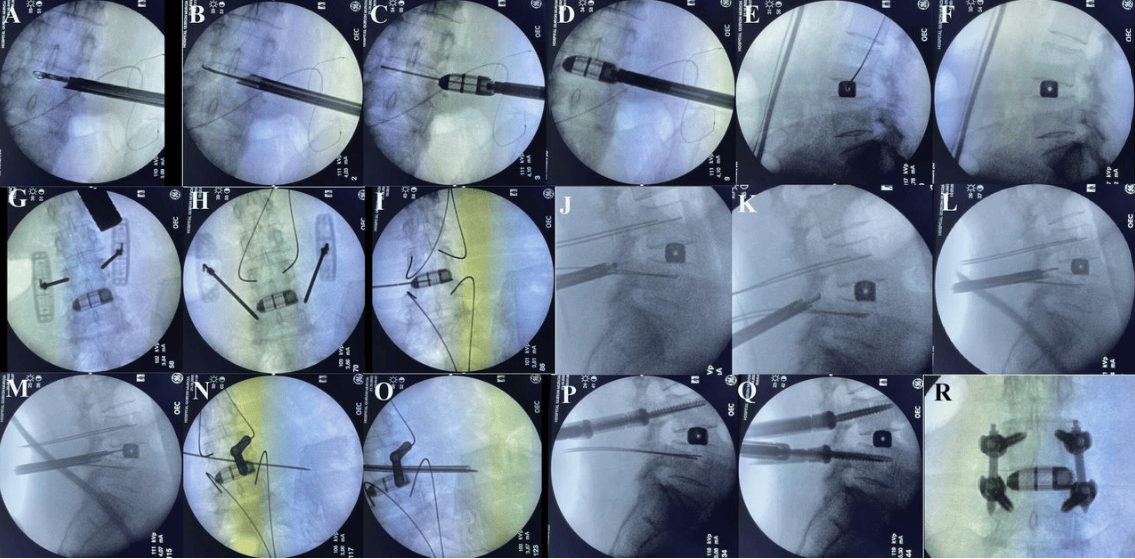
- Inserts the endoscope
- Removes damaged tissue or disc
- Places implants or bone grafts
- Stabilizes the spine
The goal is to reduce pain and improve movement.
Tools and Technology Used by Surgeons
Modern surgery uses advanced tools such as:
- High-definition cameras
- Precision instruments
- Real-time imaging
These tools help surgeons work more accurately and safely.
Recovery and Healing Process
What to Expect Right After Surgery
After surgery, patients are monitored closely. Most people:
- Start walking within a day
- Feel less pain compared to open surgery
- Go home sooner
Doctors give clear instructions for care at home.
Tips for a Smooth Recovery at Home
To heal well, patients should:
- Avoid heavy lifting
- Follow physical therapy plans
- Keep the incision area clean
Good habits help speed up recovery and prevent problems.
Risks and Possible Complications
Common Side Effects
Even though endoscopic lumbar fusion is safer in many ways, there are still risks.
Common side effects include:
- Mild pain or soreness
- Swelling
- Temporary stiffness
These usually improve over time.
When to Contact a Doctor
Rare but serious risks may include:
- Infection
- Bleeding
- Nerve injury
Patients should contact a doctor if they notice:
- Fever
- Severe pain
- Weakness or numbness
Quick action can prevent bigger problems.
Results and Long-Term Outcomes
Success Rates and Pain Relief
Many patients feel relief after surgery. Pain often decreases, and movement improves.
Success depends on the condition being treated and the patient’s overall health.
Returning to Daily Activities
Most people can return to normal life after recovery. This includes:
- Walking comfortably
- Going back to work
- Enjoying daily activities
However, heavy physical work may take more time.
Conclusion
Choosing between endoscopic lumbar fusion and open spine surgery can feel confusing. Both have their place, but modern minimally invasive methods offer clear benefits.
With smaller cuts, less pain, and faster recovery, endoscopic lumbar fusion is a strong option for many patients. Still, it’s important to understand the risks and talk openly with a doctor.
Every case is different. The best choice depends on your condition, health, and lifestyle. With the right care and guidance, you can find a treatment that helps you move better and live with less pain.