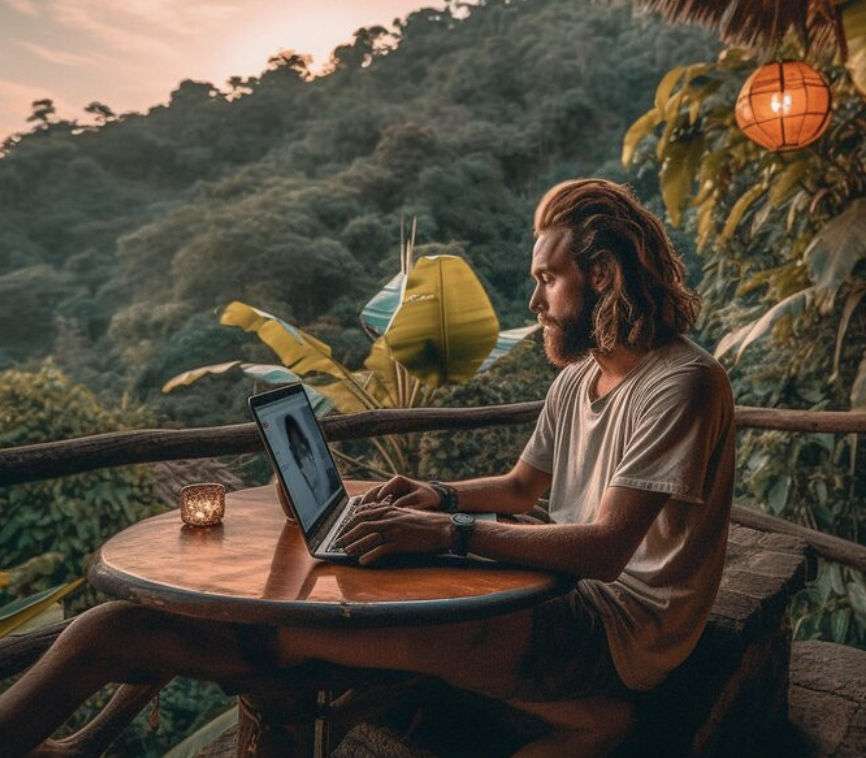
The digital nomad lifestyle is no longer a niche experiment — it’s becoming the new normal for remote-first professionals worldwide.
The digital nomad lifestyle has moved from a niche experiment to a mainstream career choice for millions of professionals. What once meant scattered freelancers working from beach cafés now includes marketing managers, software engineers, and consultants who never set foot in a traditional office. Laptops replaced desks. Time zones replaced commutes. And a growing number of companies quietly stopped caring where their teams actually sit.
This shift didn’t happen by accident. It’s the result of faster internet, more flexible employers, and a generation that values freedom as much as salary. In this guide, we’ll explore what the digital nomad lifestyle really involves, the skills it demands, and how to build one that lasts — without burning out along the way.
What Is the Digital Nomad Lifestyle?
At its core, the digital nomad lifestyle means earning a living entirely online while living without a fixed office. Some nomads move every few weeks. Others settle in one city for months before moving on. What unites them is location independence: the ability to work from anywhere with a reliable internet connection.
This isn’t limited to freelancers anymore. Remote-first companies, hybrid teams, and even large corporations now support employees who choose to work from abroad for weeks at a time. Combine that with visa programmes designed specifically for remote workers, and the lifestyle has quietly gone mainstream.
The appeal is obvious: fewer geographic limits, more control over your schedule, and the chance to experience new cultures without using up a year of vacation days.
Why More Professionals Are Embracing Remote Travel
The reasons behind this shift go beyond wanderlust. Flexibility tops the list — being able to structure a workday around personal energy and priorities, not office hours, changes how people relate to their jobs entirely.
Cost of living plays a role too. Many nomads discover that their income stretches significantly further in cities with a lower cost of living than their home country, without any drop in quality of life.
There’s also a wellbeing dimension. Remote travel encourages a healthier work-life balance, more time outdoors, and regular exposure to new environments — all factors linked to lower stress and higher job satisfaction.
Finally, cultural immersion matters. Living somewhere, even briefly, offers a depth of understanding that a one-week holiday simply can’t match. For many professionals, that’s reason enough to make the switch.
Essential Skills and Tools for Working From Anywhere
Success as a digital nomad depends less on luck and more on preparation. Time management is non-negotiable — without a fixed office schedule, it’s easy to let work bleed into every hour of the day.
A reliable tech setup matters just as much. That means a laptop built for travel, a backup power source, and a plan for reliable internet even in destinations where connectivity can be unpredictable. Many nomads also invest in a VPN to protect their data on public networks.
On the collaboration side, cloud-based tools for project management, video calls, and file sharing keep remote teams aligned across time zones. Coworking spaces have become just as important — they offer structure, fast internet, and a sense of community that a hotel room rarely provides.
Above all, self-discipline ties everything together. The freedom of this lifestyle only works if it’s paired with the routines that keep the work actually getting done.
Top Destinations for a Digital Nomad Lifestyle in 2026
Some destinations have become nomad favourites for good reason. Cities like Lisbon, Chiang Mai, and Mexico City combine affordable living with strong digital infrastructure and established remote-worker communities. Others, including Bali and Tbilisi, offer dedicated remote-work visas that make longer stays straightforward.
What these places share is a balance of practicality and appeal: fast internet, welcoming coworking scenes, and enough cultural richness to make the stay worthwhile beyond the Wi-Fi speed.
Choosing a destination isn’t only about logistics, though. The best nomad experiences tend to come from slower, more intentional travel — spending real time in a place rather than rushing through a checklist of sights. If you’re drawn to that kind of mindful, detail-focused way of exploring a destination, this closer look at travel and everyday art de vivre offers plenty of inspiration for travellers who prefer depth over speed.
Wherever you choose, matching the destination to your working hours, budget, and lifestyle goals will always matter more than any ranking or list.
Common Challenges of Life on the Road
The digital nomad lifestyle isn’t without friction. Isolation is one of the most common struggles — constantly meeting new people rarely replaces the depth of long-term friendships and family nearby.
Unstable internet, unfamiliar healthcare systems, and shifting time zones can also complicate even simple workdays. A client call scheduled for 9am can mean waking up at 3am, depending on where you are in the world.
Burnout is a real risk too. Ironically, many nomads work more, not less, because the lines between “somewhere to explore” and “somewhere to get things done” blur constantly.
Visa rules add another layer of complexity, since regulations vary widely by country and change often. None of these challenges are dealbreakers — but ignoring them tends to catch new nomads off guard.
How to Build a Sustainable Remote Work Routine
The nomads who last years, not months, tend to share one habit: they protect their routines as carefully as their itineraries. Setting clear boundaries between work hours and downtime prevents the lifestyle from quietly consuming every part of the day.
Embracing slow travel — staying in fewer places for longer — also makes a measurable difference. It reduces logistical stress and allows real routines to form: a regular gym, a favourite café, a rhythm that starts to feel like home.
Staying connected to a community, whether through coworking spaces, local meetups, or online nomad groups, helps offset the isolation that comes with constant movement.
Ultimately, sustainability comes down to treating this lifestyle as a long-term structure, not an extended holiday. The professionals who thrive are the ones who build systems, not just spontaneity.
Your Next Chapter in the Digital Nomad Lifestyle
The digital nomad lifestyle isn’t a passing trend — it’s a structural shift in how people think about work, travel, and time itself. It rewards those who prepare: the right tools, realistic expectations, and routines that hold up beyond the first few exciting weeks.
Whether you’re planning your first trip or refining a lifestyle you’ve already built, the fundamentals stay the same — flexibility, discipline, and curiosity, held together in balance.
Have you tried remote work while travelling, or are you still weighing the leap? Share your experience, questions, or destination recommendations in the comments below — this is a conversation worth continuing.
Frequently Asked Questions About Remote Work Travel
What is the digital nomad lifestyle exactly? It’s a way of working entirely online while living without a fixed office, often moving between cities or countries. The defining trait is location independence rather than any specific job or industry.
How much money do you need to become a digital nomad? Costs vary widely by destination, but many nomads manage comfortably on a modest remote salary or freelance income by choosing lower-cost cities. Budgeting for health insurance and coworking space is essential.
What are the best jobs for digital nomads? Roles in software development, marketing, writing, design, and consulting adapt especially well to remote work. The common thread is any job that can be done through a laptop and a stable internet connection.