
Bob Verne was an American actor whose name may not be instantly familiar to every Hollywood fan, but his story carries a quiet importance. He appeared in a small number of films during the 1970s and 1980s, built a life around family, and later became remembered by many television fans because of his emotional connection to Grey’s Anatomy writer and producer Krista Vernoff, his daughter.
Unlike many celebrities, Bob Verne did not live a loud public life. There were no constant interviews, no carefully managed public image, and no modern social media presence. His story is more private, more personal, and in many ways more human. That is why people searching for Bob Verne today often want more than a film list. They want to know who he was, what kind of life he lived, and why his name continues to appear in conversations about television, family, grief, and legacy.
Quick Bio Table
| Information | Details |
|---|---|
| Full Name | Robert Vernoff |
| Known As | Bob Verne |
| Date of Birth | July 14, 1944 |
| Birthplace | Miami Beach, Florida, USA |
| Nationality | American |
| Profession | Actor |
| Zodiac Sign | Cancer |
| Marital Status | Married |
| Spouse | Saba Moor-Doucette |
| Children | Five Children |
| Famous Relative | Krista Vernoff (Daughter) |
| Date of Death | February 21, 2001 |
| Age at Death | 56 Years |
Who Was Bob Verne?
Bob Verne, born Robert Vernoff, was an actor from the United States. He was born on July 14, 1944, in Miami Beach, Florida, and passed away on February 21, 2001. He was 56 years old at the time of his death.
His acting work was mainly connected with smaller films, including Can I Do It ’Till I Need Glasses?, Cavegirl, and The Immortalizer. These were not blockbuster productions, but they gave him a place in the entertainment world and later helped keep his name alive among fans of older cult films.
What makes Bob Verne especially interesting is that his public story is not only about acting. His name is also remembered because of his family connection to Krista Vernoff, one of the major creative voices behind Grey’s Anatomy. Through her writing, Bob’s personal story reached a wider audience in a deeply emotional way.
Early Life
Bob Verne was born in Miami Beach, Florida, during the mid-1940s. Public information about his childhood, parents, education, and early family background is limited. This is important to mention clearly because many online profiles try to fill missing details with guesses, but reliable information about his early years is not widely available.
What is known is that he later entered the entertainment industry and worked as an actor. His career did not follow the typical path of a major Hollywood star, but he appeared in projects that gave him screen credits and a recognizable name among viewers who enjoy older comedy and genre films.
His birth name, Robert Vernoff, also connects him directly to his daughter Krista Vernoff, whose professional success later brought renewed attention to the family name.
Age and Personal Details
Bob Verne was born on July 14, 1944, which made his zodiac sign Cancer. He died on February 21, 2001, at the age of 56.
Because Bob lived before the age of social media and constant celebrity coverage, many personal details about him remain private. His exact height, weight, body measurements, and everyday lifestyle were not widely documented in public sources.
This makes his profile different from modern celebrity biographies. Today, fans expect to find every small detail about a public figure, from height to Instagram activity. In Bob Verne’s case, the available record is smaller, and that makes it important to separate confirmed facts from online speculation.
Family Life
Family is one of the most meaningful parts of Bob Verne’s story. He was married to Saba Moor-Doucette. Public profiles also connect him as the father of Krista Vernoff, the well-known television writer, producer, and showrunner.
Krista Vernoff became famous for her work on Grey’s Anatomy, Station 19, and other television projects. Her connection to Bob became especially emotional because she later used parts of her real experience with her father’s illness and death to shape a powerful storyline in Grey’s Anatomy.
Bob Verne’s family life was not highly publicized, but the emotional weight of his relationship with his daughter is clear through the way she remembered him in her creative work. That connection gives his legacy a personal depth beyond his acting credits.
Siblings and Parents
There is no widely verified public information about Bob Verne’s siblings. His parents’ names and family background are also not clearly documented in reliable entertainment databases.
For readers, this means any article claiming exact sibling names, parent names, or detailed childhood stories should be treated carefully unless it provides a trustworthy source. In Bob’s case, the honest answer is that many parts of his private family history remain outside the public record.
That privacy does not make his life less meaningful. It simply shows that Bob Verne belonged to a different time, when not every personal detail of an actor’s life became part of the internet.
Career in Film
Bob Verne’s acting career included appearances in films such as Can I Do It ’Till I Need Glasses? from 1977, Cavegirl from 1985, and The Immortalizer from 1989.
These films gave him a place in the world of comedy, cult cinema, and independent-style entertainment. While he was not a leading mainstream star, he contributed to projects that still appear in film databases and discussions about older genre movies.
His career is a reminder that Hollywood is not only built by the biggest names. It is also shaped by supporting actors, character performers, and people who appear in smaller productions that later find their own audience.
Known Movies
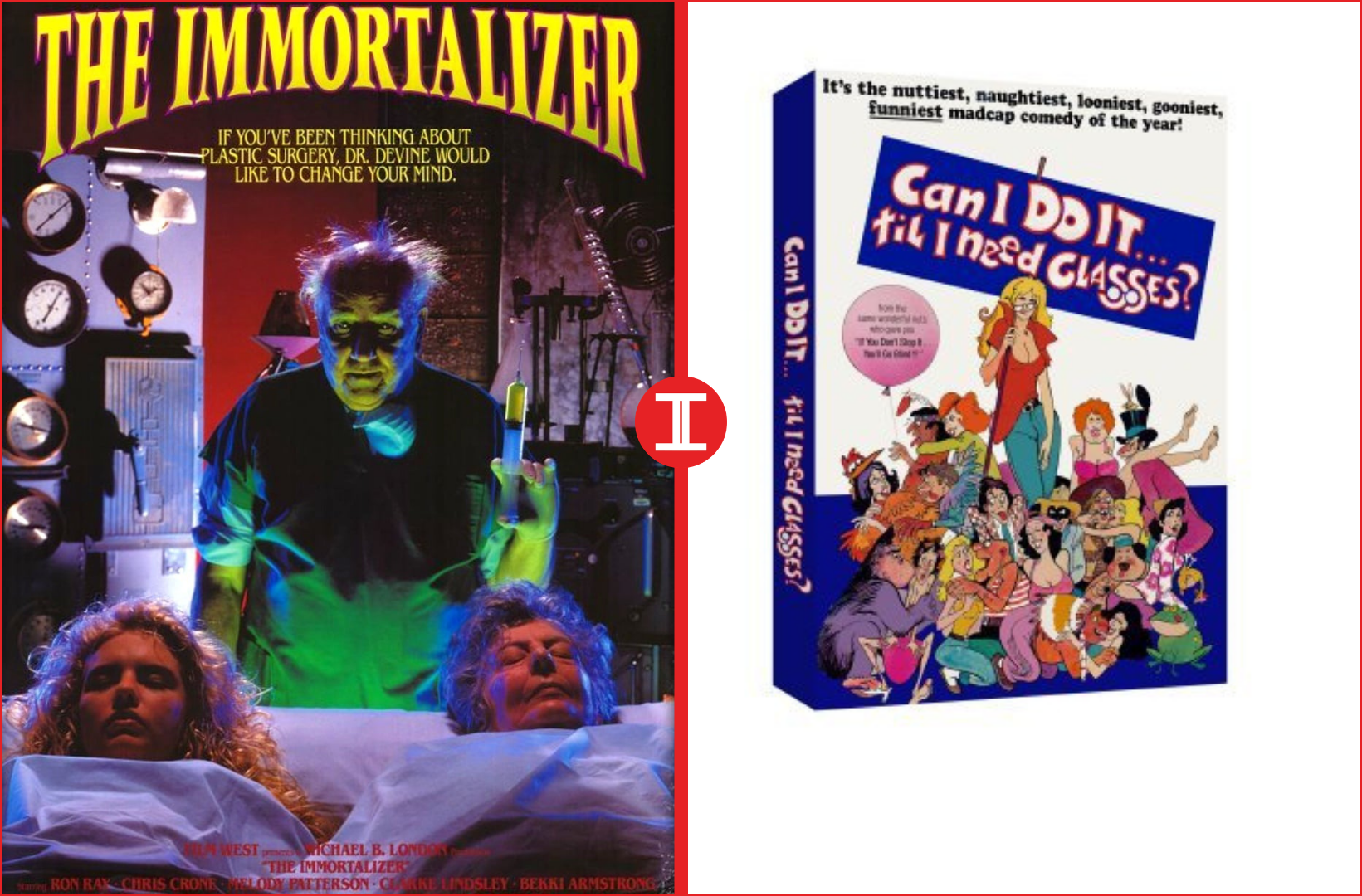
Bob Verne’s most commonly listed screen works include:
Can I Do It ’Till I Need Glasses?
This 1977 comedy is one of his earlier known credits. It belongs to the kind of adult comedy style that was more common in that era.
Cavegirl
Released in 1985, Cavegirl is one of the projects most often connected with Bob Verne. The film became known among fans of quirky 1980s cult cinema.
The Immortalizer
Released in 1989, this film is another title associated with his acting career. It added to his limited but memorable screen presence.
His filmography was not long, but it was enough to keep his name documented in entertainment history.
Height and Physical Appearance
Bob Verne’s exact height is not confirmed in major public sources. Some websites may list estimated measurements, but those numbers are not always reliable.
Based on available screen appearances, Bob had the look of a character actor rather than a polished celebrity image. He appeared natural, expressive, and suited to the offbeat film roles connected with his career.
Details such as eye color, hair color, weight, and body measurements are not strongly verified. For a professional article, it is better to say this clearly rather than repeat uncertain claims.
Net Worth
Bob Verne’s net worth is not officially confirmed. Some celebrity biography websites may give estimated figures, but these estimates are usually not backed by financial records.
Because Bob worked in smaller films and did not have a long mainstream Hollywood career, it would be misleading to present a specific net worth as fact. A more honest way to describe it is this: his financial details were private, and no reliable public record confirms his exact net worth.
His true legacy is not measured by wealth. It is found in his acting credits, his family, and the emotional influence his life had on one of television’s most memorable storylines.
Lifestyle
Bob Verne appeared to live a private lifestyle. He was not the type of actor who constantly appeared in media headlines or celebrity interviews. Most of what the public knows about him comes from his film credits and his connection to Krista Vernoff.
His life seems to have been centered more around family and personal relationships than fame. This quieter lifestyle may be one reason so many details about him remain limited today.
In modern celebrity culture, privacy can feel unusual. But in Bob’s case, it gives his story a grounded, human quality. He was not only a name in a film database. He was a husband, father, actor, and someone deeply loved by his family.
Social Media Presence
Bob Verne did not have official social media accounts. He passed away in 2001, before platforms like Instagram, TikTok, Facebook, and X became central parts of celebrity life.
Any modern social media pages using his name should be viewed as fan pages or unofficial references. There is no verified Instagram, Facebook, X, or TikTok account belonging to Bob Verne.
This is another reason his profile feels different from current celebrity biographies. His life belongs to a time when public identity was shaped through work, family, and personal memory rather than online posts.
Cause of Death
Bob Verne passed away on February 21, 2001. Reports connected to Grey’s Anatomy discussions state that he died after battling esophageal cancer.
His death became especially meaningful in television history because Krista Vernoff later drew from the experience while working on Grey’s Anatomy. The emotional two-part episode “Six Days” is often discussed in connection with her father’s illness and passing.
The episode was not simply a fictional hospital story. It carried real grief, real memory, and a daughter’s love for her father. That is one of the reasons Bob Verne’s name still touches viewers years after his death.
Grey’s Anatomy Connection
For many people, Bob Verne’s name became familiar through Grey’s Anatomy. The episode “Six Days: Part 2” was dedicated to him, and the storyline involving George O’Malley’s father had personal meaning connected to Krista Vernoff’s own loss.
This connection gave Bob’s story a second life in popular culture. Even viewers who had never seen his films came to know his name through the dedication and the emotional background of the episode.
It is a powerful example of how private pain can become meaningful art. Through Krista’s writing, Bob Verne’s memory became part of a story that helped many viewers reflect on family, illness, love, and grief.
Legacy
Bob Verne’s legacy is quiet but lasting. He is remembered as an actor, but also as a father whose life deeply influenced his daughter’s creative work.
His acting career may have been modest, but his personal impact was strong. The fact that his story inspired a memorable Grey’s Anatomy episode shows that legacy is not always about fame. Sometimes it is about the people we shape, the love we leave behind, and the stories others tell because of us.
Bob Verne’s name continues to be searched because people feel there is something sincere behind it. His story is not full of glamour or scandal. It is a story of work, family, illness, remembrance, and emotional truth.
Conclusion
Bob Verne was more than a small-name actor from older films. He was a man with a private life, a family, and a legacy that reached beyond his screen appearances. Born as Robert Vernoff in Miami Beach, he built a modest acting career and later became remembered through the work of his daughter, Krista Vernoff.
His life reminds us that not every meaningful person becomes famous in the usual way. Some are remembered through love, memory, and the influence they leave behind. Bob Verne’s story continues because it connects to something deeply human: the bond between a parent and child, and the way personal loss can become lasting art.
Frequently Asked Questions
Who was Bob Verne?
Bob Verne, born Robert Vernoff, was an American actor known for appearing in films such as Cavegirl and The Immortalizer.
How old was Bob Verne when he died?
Bob Verne passed away on February 21, 2001, at the age of 56.
Was Bob Verne related to Krista Vernoff?
Yes, Bob Verne was the father of Krista Vernoff, the acclaimed writer and producer behind Grey’s Anatomy.
What was Bob Verne best known for?
He was best known for his roles in cult films and for the lasting legacy connected to his daughter’s television work.
Did Bob Verne have social media accounts?
No. Bob Verne passed away before modern social media platforms became widely used.