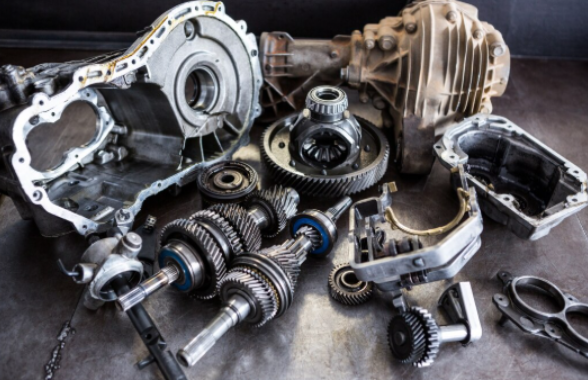
Buying used parts for your car can save a lot of cash. But finding the right parts can be overwhelming. This path is not free from risk. If you rush or skip key checks, you may end up buying the wrong part. This can cost more in the long run and may even damage your car. To help you make the right purchase for your car, here are some common mistakes you should avoid.
-
Ignoring Part Number
When you shop for car parts, one of the key steps is to check the part code. Each part has a set code, which tells you if the part is the right fit for your car. Many buyers look at size or shape and think it will work. But small gaps can cause big issues. Two parts may look the same, but may not work in the same way. The part code helps you match the parts with your car model.
You can find this code in your car manual or on the old part. If you skip this step, you may buy a part that does not fit at all. This can waste time and cash. So, you must always check and match the code. It is a small step that can save you from a big loss.
-
Not Checking Warranty or Return Policy
Used car parts may not last as long as new ones. This is why you must look for a return policy. Some sellers do not give any form of backup. Once you buy, the risk is all yours. This can be a big issue if the part fails soon after use.
Before you buy a car part, you must ask if there is a return policy. Can you send the part back if it does not work? Also, check for warranty. Even short-term coverage can help. A good seller will be clear on these terms. But if the seller avoids this topic, it is a red flag. Keep in mind that a safe deal is one with some form of backup.
-
Buying without Inspection
One of the most common mistakes is to buy a part without inspecting it. Used parts may have wear, rust, or small cracks. These may not show in photos. If you can, you must visit the store and inspect the part carefully before purchasing. Look for signs of wear or damage.
However, if you prefer online shopping, ask for more pictures of the car part from the seller. You should also inquire about how old the part is and how much it has been used. Do not rely on one image or short text. A few extra checks can help you avoid a wrong purchase.
-
Overlooking Compatibility Issues
Compatibility is not just about size. It is also about how the part works with your car. Some parts may fit, but may not work well with your car system. This is where many buyers make mistakes. They see that the part fits in place and think the job is done.
Some cars have small technical gaps. A car part from one year or model may not suit the next. So before purchasing, you must check the make, year, and model of your car. Match this with the part information. You can also ask a professional or a local shop for help. They may guide you on what will work best for your car.