
Changing your life sounds inspiring in theory, but in real life it can feel heavy. The moment people decide they want things to be better, they often begin thinking about everything that is wrong at once. Health, money, confidence, work, relationships, routine, stress, sleep, and motivation can all come to mind together. That is usually the point where change starts to feel less like hope and more like pressure.
The truth is that meaningful change rarely begins with a dramatic moment. More often, it begins with one honest decision followed by one manageable action. That is why a step-by-step approach matters. It gives you a way to move forward without trying to rebuild your whole life in a single week.
A calmer approach to growth is not a weak one. In many cases, it is the strongest path because it helps you stay consistent. Research and public health guidance on habits, stress, routines, and goal setting regularly point to the same basic principle: small, realistic actions are easier to repeat, and repeated actions are what create lasting change.
Quick Bio Table
| Field | Details |
|---|---|
| Topic | How to change your life step by step |
| Article Title | How to Change Your Life Step by Step Without Feeling Overwhelmed |
| Category | Personal Development |
| Focus | Gradual life improvement |
| Main Purpose | Build change without overwhelm |
| Best Starting Point | One clear life area |
| Core Method | Small daily actions |
| Key Benefit | Less stress, more consistency |
| Helpful Tools | Routine, reflection, tracking |
| Ideal Reader | Anyone feeling stuck or overwhelmed |
| Tone | Supportive and practical |
| Content Type | Informative blog article |
Start Here
Before you change anything, pause long enough to see your life clearly. Many people rush into self-improvement because they are tired of how things feel. That reaction is understandable, but quick reactions do not always lead to lasting direction. If you want real change, the first step is not speed. It is honesty.
Ask yourself what feels heavy right now. Is it your routine? Your energy? Your self-talk? Your work habits? Your lack of structure? Try not to judge your answers. The goal is not to criticize yourself. The goal is to notice where your life feels out of alignment.
This part matters because vague frustration leads to vague effort. When people say, “I need to change my whole life,” they often feel stuck because the problem is too broad. But when they say, “I need to sleep better,” or “I need to stop wasting my mornings,” the next step becomes clearer.
Why Overwhelm Happens
Overwhelm usually appears when your mind is carrying too many goals at the same time. You want to become healthier, more disciplined, more productive, more confident, and financially stable all at once. Each goal may be valid, but when they pile up together, even good intentions can become exhausting.
Another reason overwhelm happens is comparison. People often compare their current reality to someone else’s finished result. They see another person’s routine, success, body, mindset, or lifestyle and feel behind. That comparison can create pressure to change everything immediately, which usually leads to burnout rather than progress.
Stress also plays a major role. When your mind is tired, even simple decisions feel difficult. That is why change should not always begin with bigger ambition. Sometimes it should begin with more stability. A better routine, more rest, less mental clutter, and fewer impossible expectations can make growth feel possible again.
Choose One Area
One of the most practical ways to change your life without feeling overwhelmed is to choose one area first. Not ten areas. Not your entire personality. Just one part of your life that would make a meaningful difference if it improved.
For some people, that area is physical health. For others, it is emotional stability, time management, money habits, focus, confidence, or relationships. The right starting point is usually the area causing the most daily friction.
When you choose one area, you reduce noise. Your mind stops trying to manage too many personal improvement projects at once. This creates clarity, and clarity often leads to action.
A single focused change can also create momentum in other parts of life. Better sleep may improve mood. Better mood may improve discipline. Better discipline may improve work. That is why starting small is not thinking small. It is thinking strategically.
Make It Specific
After choosing one area, make your goal specific enough to act on. A goal like “I want a better life” sounds meaningful, but it is too wide to guide daily behavior. A more useful goal is something like “I want to walk for twenty minutes after dinner,” or “I want to stop checking my phone for the first thirty minutes of the morning.”
Specific goals help because they remove confusion. You know what you are trying to do, when you plan to do it, and how to measure whether it happened. That kind of clarity makes a new habit feel more manageable.
Realistic goals also protect your energy. If you are already feeling overwhelmed, your plan should reduce pressure, not increase it. The best goal is often the one that feels almost too simple. Simple actions are easier to repeat, and repetition is where change starts to settle into real life.
Change Your Days
A different life is usually built through different days. Most people imagine life change as something dramatic, but daily patterns are what shape long-term reality. How you sleep, eat, think, spend, react, and use your time matters more than occasional bursts of motivation.
That is why your daily routine deserves attention. Look at the first hour of your morning, the middle of your workday, and the last hour before sleep. Those spaces often reveal the habits that either support your growth or quietly drain it.
You do not need a perfect schedule. You need a supportive one. A better day might begin with less scrolling, more sunlight, a written plan, a short walk, more water, or a few quiet minutes before the noise of the day begins. These are not dramatic changes, but they can shift how you feel and function.
Build Small Wins
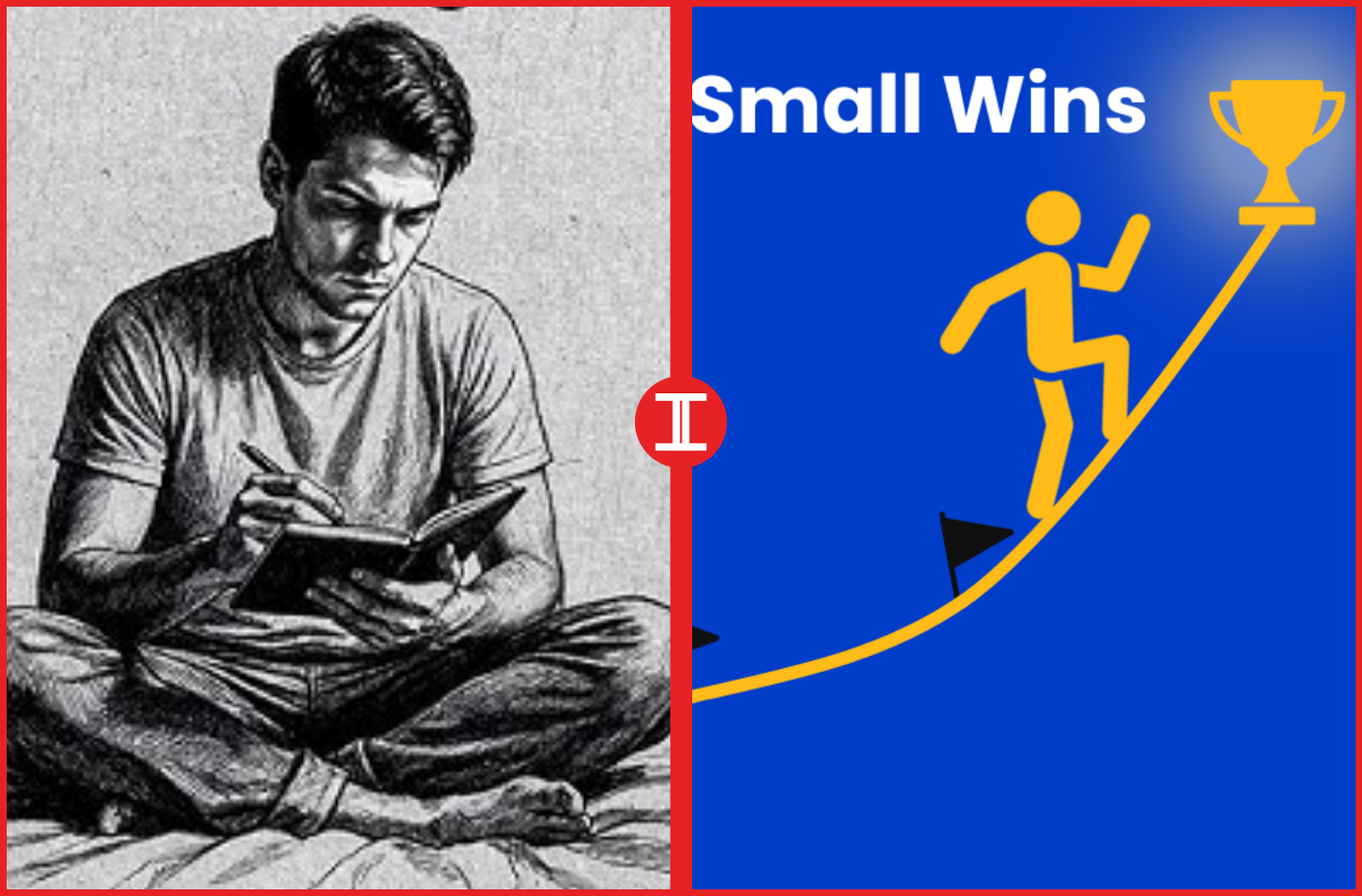
Small wins matter because they teach your mind that progress is possible. When people try to change too much too fast, they often fail early and start believing they are incapable of discipline. In many cases, the real problem was not a lack of character. It was a plan that demanded too much too soon.
A small win could be making your bed every morning, preparing tomorrow’s clothes the night before, writing down three priorities, or going to sleep at a more regular time. These actions may seem minor, but they create structure. Structure gives change a place to grow.
There is also something emotional about small wins. They create relief. When you keep one promise to yourself, even a small one, your relationship with yourself begins to change. You stop seeing yourself only through failure. You begin to see yourself as someone who can return, reset, and continue.
Reduce What Drains You
Changing your life is not only about adding good habits. It is also about removing what constantly weakens your focus, peace, and energy. Sometimes growth becomes easier not because you became more motivated, but because you finally reduced the things that were quietly exhausting you.
This may include overscheduling, doomscrolling, constant comparison, unhealthy relationships, clutter, poor boundaries, irregular sleep, or a habit of saying yes to everything. Not every burden in life can be removed immediately, but many can at least be reduced.
Pay attention to what leaves you mentally scattered. Often, the biggest obstacle is not laziness. It is mental overload. A calmer environment, fewer unnecessary commitments, and more intentional use of your attention can create space for better choices.
Protect Your Mind
If you are trying to change your life while constantly running on stress, your progress may feel unstable. A tired mind struggles to stay patient, focused, and consistent. That is why caring for your mental and emotional health is not separate from personal growth. It is part of the foundation.
Protecting your mind may mean getting more sleep, creating quiet time, stepping away from negative input, writing in a journal, talking to someone you trust, or seeking support from a qualified professional when needed. It may also mean learning to slow down the harsh voice in your head.
Many people speak to themselves in ways they would never speak to a friend. They call themselves lazy, weak, behind, or hopeless. But shame rarely creates sustainable change. A firmer and kinder inner voice is often more effective. You can be honest with yourself without being cruel to yourself.
Stay Consistent
Consistency is what turns a decision into a lifestyle. It does not mean doing everything perfectly. It means returning to your chosen actions often enough that they begin to shape your identity.
Some days will go well. Other days will feel messy, unproductive, or emotionally off. That is normal. People often quit because they think one bad day means they have failed. In reality, lasting change depends less on never slipping and more on learning how to begin again quickly.
A helpful mindset is this: miss once, return the next time. If your routine breaks for a day, do not break it for a week. If your energy drops, lower the intensity but protect the habit. A shorter walk is still a walk. A simpler morning routine is still a routine. The goal is not to impress yourself. The goal is to stay in motion.
Track Progress Gently
Tracking progress can help, but it should support you rather than make you anxious. The point is not to watch yourself like a machine. The point is to notice whether the changes you are making are actually helping.
You might keep a notebook, a simple checklist, or a weekly reflection. Write down what you tried, what felt easier, what felt difficult, and what seems to improve your mood, focus, or stability. These notes can help you see patterns that are easy to miss during busy days.
Gentle tracking also shows you that progress is often quieter than expected. You may not feel transformed, but you might notice that you are sleeping a bit better, speaking more calmly, managing your mornings with less chaos, or recovering from bad days more quickly. These are real signs of change.
Let Your Life Change Slowly
One of the most overlooked parts of self-improvement is patience. People want proof that their efforts are working, and they want it quickly. But many of the changes that matter most happen gradually. Confidence grows slowly. Better thinking grows slowly. Stronger habits grow slowly. Peace often grows slowly too.
That does not mean your efforts are failing. It means they are becoming part of your life in a realistic way. Fast change can look exciting, but slow change is often more stable because it has time to become normal.
Let your life improve at a human pace. You do not need to force yourself into a brand new identity overnight. You only need to keep choosing what supports the person you want to become.
People Also Read : BetterThisFacts Tips by BetterThisWorld: A Simple Guide to Smarter Daily Living
What This Really Means
Changing your life step by step without feeling overwhelmed is not about becoming perfect. It is about becoming more intentional. It is about noticing what is not working, choosing one place to begin, and taking realistic actions that support the life you actually want.
A better life is rarely built through pressure alone. It is built through clarity, repetition, rest, adjustment, and patience. It is built by making your days a little better, then repeating that care often enough that it starts to reshape your direction.
If you feel stuck, start smaller than your fear tells you to. If you feel behind, stop measuring your beginning against someone else’s middle. If you feel overwhelmed, remember that lasting change does not ask you to fix your whole life today. It only asks you to take the next honest step.
That step may look ordinary from the outside. It may be a bedtime, a walk, a budget, a boundary, a journal entry, or a promise to try again tomorrow. But ordinary steps, repeated with intention, are often how lives quietly change for the better.
FAQs
What does changing your life step by step mean?
It means improving your habits and decisions gradually instead of trying to change everything at once.
Why does self-improvement feel overwhelming?
It often feels overwhelming when you focus on too many goals and expect quick results.
What is the first step to changing your life?
The first step is being honest about what is not working and choosing one area to improve.
Can small habits really change your life?
Yes, small habits repeated consistently can create lasting progress over time.
How long does real life change take?
Real change usually takes time, patience, and regular effort rather than instant motivation.